Υπάρχουν κτήρια που στεγάζουν λειτουργίες και υπάρχουν κτήρια που αναγκάζουν μια κοινωνία να επαναπροσδιορίσει τον εαυτό της. Η Όπερα του Σίδνεϊ ανήκει αδιαμφισβήτητα στη δεύτερη κατηγορία. Δεν είναι απλώς ένας χώρος πολιτισμού ή ένα εντυπωσιακό τοπόσημο· είναι ένα αρχιτεκτονικό γεγονός που δοκίμασε τα όρια της τεχνικής, της πολιτικής αντοχής και της κοινωνικής αποδοχής του νέου. Η επιλογή να παρουσιαστεί σήμερα είναι γιατί είναι μοναδικό παράδειγμα της δυναμικής της ίδιας της αρχιτεκτονικής. Πώς η επιστήμη σε συνδυασμό με την τέχνη γίνεται ομιλούσα μαρτυρία των ικανοτήτων μιας κοινωνίας. Για να συμβεί αυτό η αρχιτεκτονική πρόταση, πρέπει είναι νέο στοιχείο, διαφορετικό της τρέχουσας αντίληψης.
Όταν το 1957 σε αρχιτεκτονικό διαγωνισμό επιλέχθηκε η πρόταση μεταξύ άλλων 250 του νεαρού τότε Δανού αρχιτέκτονα Jørn Utzon! Η Αυστραλία αποδέχθηκε τότε ένα όραμα που ξεπερνούσε τις τεχνολογικές και θεσμικές της βεβαιότητες. Τα χαρακτηριστικά κελύφη της όπερας δεν έμοιαζαν με τίποτα γνωστό. Η αρχιτεκτονική δεν προσπαθούσε να ενταχθεί διακριτικά στο λιμάνι του Σίδνεϊ, το επαναπροσδιόριζε. Το κτήριο δεν ακουμπούσε απλώς στο νερό - συνομιλούσε μαζί του.
Η πραγματική καινοτομία της όπερας δεν βρίσκεται μόνο στη μορφή, αλλά και στη μηχανική της σύλληψη. Τα κελύφη δεν είναι διακοσμητικά στοιχεία, αποτελούν φέροντα σύστημα. Όλα τους προκύπτουν από τμήματα μιας ενιαίας σφαίρας, μια αυστηρά γεωμετρική λύση που επέτρεψε την προκατασκευή επαναλαμβανόμενων στοιχείων. Στην επιφάνεια τους έχουν τοποθετηθεί ως κεραμίδια ένα εκατομμύριο πλακίδια Σουηδίας. Για να υλοποιηθεί αυτή η ιδέα, αναπτύχθηκαν νέες μέθοδοι στατικής ανάλυσης, νέες τεχνικές σκυροδέτησης και πρωτοφανείς για την εποχή διαδικασίες συναρμολόγησης. Η όπερα του Σίδνεϊ δεν κατασκευάστηκε απλώς - εφευρέθηκε βήμα προς βήμα, καθώς η τεχνολογία προσπαθούσε να ακολουθήσει την αρχιτεκτονική σκέψη.
Αυτή η τεχνική τόλμη είχε όμως κόστος. Τα χρονοδιαγράμματα κατέρρεαν, ο προϋπολογισμός εκτοξευόταν και η πολιτική υπομονή εξαντλούνταν. Η κοινωνία άρχισε να αντιλαμβάνεται το έργο όχι ως συλλογικό όραμα, αλλά ως διαχειριστικό πρόβλημα. Ο Utzon, χωρίς επαρκή θεσμική στήριξη, απομονώθηκε και τελικά εγκατέλειψε το έργο το 1966. Η όπερα ολοκληρώθηκε χωρίς τον αρχιτέκτονά της - ένα τραύμα που αποκαλύπτει πόσο δύσκολα οι θεσμοί προστατεύουν την καινοτομία όταν αυτή δεν είναι άμεσα κατανοητή. Το έργο συμπληρώθηκε μετά από 14 χρόνια και το κόστος από 7 εκατομμύρια εκτοξεύτηκε στα 140.
Κι όμως, το κτήριο δικαιώθηκε. Τα κελύφη της όπερας διαβάστηκαν με τον χρόνο και συμβολικά: ως πανιά πλοίων. Πανιά καραβιών που μετέφεραν αποίκους από μια μακρινή αυτοκρατορία σε μια νέα ήπειρο, κουβαλώντας ελπίδα, ρήξη και αναζήτηση ταυτότητας. Τοποθετημένη στο λιμάνι, η όπερα συνομιλεί με την αποικιακή ιστορία της Αυστραλίας, αλλά ταυτόχρονα δηλώνει την πολιτιστική της αυτονόμηση. Δεν είναι τυχαίο ότι τα εγκαίνια του κτηρίου, το 1973, πραγματοποιήθηκαν από τη βασίλισσα Ελισάβετ Β΄ - μια τελετουργική στιγμή που συμπύκνωσε παρελθόν, παρόν και μέλλον.
Με τα χρόνια, η κοινωνία που αρχικά αμφισβήτησε το έργο το υιοθέτησε πλήρως. Η όπερα κατέκτησε κάτι σπανιότερο από την τεχνική τελειότητα: καθολική αναγνώριση. Το 2003, ο Utzon τιμήθηκε με το βραβείο Pritzker, ενώ η όπερα εντάχθηκε στον Κατάλογο Παγκόσμιας Κληρονομιάς της UNESCO όσο ο ίδιος ήταν ακόμη εν ζωή - μια καθυστερημένη, αλλά ουσιαστική αποκατάσταση. Η όπερα έγινε χώρος φιλοξενίας πολύμορφου πολιτισμού. Εδώ οι Αυστραλοί υποδέχτηκαν τον Νοτιοαφρικάνο ηγέτη Νέλσον Μαντέλα, και εκτός από όπερες έφεραν συναυλία του συγκροτήματος ΑΒΒΑ.
Σήμερα, η Όπερα του Σίδνεϊ αποκτά νέα επικαιρότητα. Σε μια εποχή όπου η αρχιτεκτονική συχνά υποτάσσεται στη λογική της άμεσης αποδοχής, της ελαχιστοποίησης ρίσκου και της γρήγορης εικόνας, το έργο του Utzon υπενθυμίζει ότι η δημόσια αρχιτεκτονική δεν σχεδιάζεται για να εγκριθεί εύκολα. Σχεδιάζεται για να αντέξει στον χρόνο.
Η Όπερα του Σίδνεϊ δεν μας διδάσκει πώς να σχεδιάζουμε πιο εντυπωσιακά κτήρια. Μας διδάσκει κάτι δυσκολότερο: ότι η αρχιτεκτονική αξία συχνά προηγείται της κοινωνικής αποδοχής. Και ότι οι κοινωνίες δεν πρέπει να φοβούνται την τόλμη, αντίθετα να την υποδέχονται ως πρόοδο. Το λιμάνι του Σίδνεϊ άγνωστο τυχαίο και απρόσωπο. Απέκτησε αναγνωρισιμότητα και θέση στις παγκόσμιες πόλεις χάρη της δυναμικής της αρχιτεκτονικής. Αυτό είναι ένα ιδιαίτερο αποτέλεσμα που προσφέρει η αρχιτεκτονική σύλληψη. Στην Αθήνα ο Παρθενώνας, στο Παρίσι ο Πύργος του Άιφελ στο Κάιρο οι Πυραμίδες… όλα πλέον σφραγίδες πολιτισμού.
*Πρώην προέδρου ΕΤΕΚ
The Sydney Opera House | When Architecture Dared to Precede Society
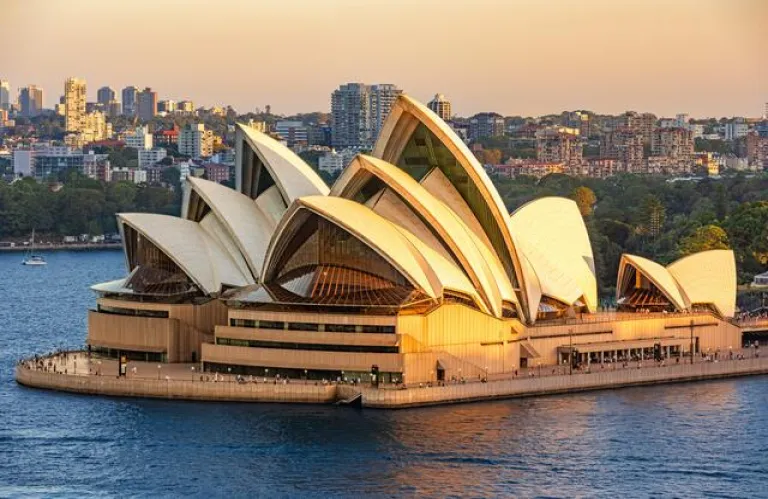
The Sydney Opera House is an architectural marvel that not only houses cultural events but also challenged an entire society to redefine its limits. Its construction, which began in 1957 based on the design of Danish architect Jørn Utzon, exceeded the technological and political capabilities of the time. Its innovation lies not only in its impressive form but also in its pioneering engineering conception, with its shells functioning as load-bearing elements. The construction of the Sydney Opera House was not a simple process. It faced significant challenges, such as delays, budget overruns, and political resistance. Architect Jørn Utzon, due to lack of support, was forced to abandon the project in 1966, with its completion taking place 14 years later at four times the cost. Despite the difficulties, the building was completed and became a symbol of Australia. The Sydney Opera House is not just a building, but a metaphor for the history and identity of Australia. Its shells have been interpreted as sails, symbolizing the colonial history and the arrival of the first settlers. Its location in Sydney Harbour makes it a meeting point of past, present and future. The story of the Sydney Opera House is a lesson in the importance of supporting innovation and the need for political will and institutional support. The building, despite the adversities, managed to be vindicated and become a global architectural landmark, proving that architecture can change the way a society perceives itself.
You Might Also Like
Καραϊσκάκειο Ίδρυμα και ΠΑΣΥΚΑΦ τίμησαν την Eurobank για τη διαχρονική της στήριξη
Feb 2
Μαρίνα Ολυμπίου: Η Τέχνη ως τρόπος κατανόησης και μεταμόρφωσης του κόσμου
Feb 3
Εκδόθηκε η άδεια για το έργο της δημιουργίας της πλατείας Παραλιμνίου
Feb 6

Όταν ο Πρόεδρος περί άλλα τυρβάζει
Feb 7