Οι πλούσιοι αλλά σε μεγάλο βαθμό ανεκμετάλλευτοι ορυκτοί πόροι της Γροιλανδία βρίσκονται στο επίκεντρο αυξημένου γεωπολιτικού ενδιαφέροντος, καθώς η στρατηγική σημασία του νησιού της Αρκτικής επανέρχεται δυναμικά στη διεθνή ατζέντα.
Στο πλαίσιο αυτό, οι Υπουργοί Εξωτερικών της Δανία, Λαρς Λόκε Ράσμουσεν, και της Γροιλανδίας, Βίβιαν Μότζφελντ, συναντώνται στον Λευκό Οίκο με τον Αμερικανό αντιπρόεδρο Τζέι Ντι Βανς και τον Υπουργό Εξωτερικών Μάρκο Ρούμπιο, με στόχο την αποκλιμάκωση της έντασης γύρω από το καθεστώς και τον ρόλο της Γροιλανδίας. Ο Πρόεδρος των ΗΠΑ Ντόναλντ Τραμπ έχει επανειλημμένα εκφράσει ενδιαφέρον για τον έλεγχο του νησιού, επικαλούμενος λόγους ασφάλειας και πόρων.
Κρίσιμες πρώτες ύλες και στρατηγική αξία
Έρευνα του 2023 έδειξε ότι 25 από τις 34 “κρίσιμες πρώτες ύλες” που έχει καταγράψει η Ευρωπαϊκή Επιτροπή εντοπίζονται στη Γροιλανδία, καθιστώντας το νησί δυνητικό κόμβο για την ενεργειακή μετάβαση και τη βιομηχανία υψηλής τεχνολογίας.
Παρά το υπέδαφος, η εξόρυξη πετρελαίου και φυσικού αερίου απαγορεύεται για περιβαλλοντικούς λόγους, ενώ η ανάπτυξη του μεταλλευτικού τομέα σκοντάφτει σε γραφειοκρατικά εμπόδια και αντιδράσεις των ιθαγενών κοινοτήτων.
Τα βασικά ορυκτά της Γροιλανδίας
Σπάνιες γαίες
Τρία από τα μεγαλύτερα κοιτάσματα βρίσκονται στη νότια επαρχία Γκάρνταρ. Εταιρείες όπως η Critical Metals Corp, η Energy Transition Minerals και η Neo Performance Materials έχουν εκδηλώσει ενδιαφέρον. Οι σπάνιες γαίες είναι κρίσιμες για μόνιμους μαγνήτες και τα ηλεκτρικά οχήματα.
Γραφίτης
Κοιτάσματα εντοπίζονται σε πολλές περιοχές. Η GreenRoc έχει αιτηθεί άδεια για έργο στο Αμιτσόκ. Ο γραφίτης χρησιμοποιείται σε μπαταρίες EV και παραγωγή χάλυβα.
Χαλκός – Νικέλιο
Το ενδιαφέρον παραμένει περιορισμένο, με εξαίρεση ανεξερεύνητες περιοχές σε βορειοανατολική και κεντροανατολική Γροιλανδία. Η 80 Mile στοχεύει στο κοίτασμα Ντίσκο–Νουουσουάκ (χαλκός, νικέλιο, πλατίνα, κοβάλτιο), ενώ η Anglo American διαθέτει άδεια εξερεύνησης για νικέλιο.
Ψευδάργυρος
Μεγάλα κοιτάσματα στον βορρά, συμπεριλαμβανομένου του Σιτρόνεν Φιόρδ, που έχει χαρακτηριστεί ως ένα από τα μεγαλύτερα ανεκμετάλλευτα κοιτάσματα ψευδαργύρου παγκοσμίως.
Χρυσός και διαμάντια
Ο χρυσός συγκεντρώνεται κυρίως στο νότο, με την Amaroq Minerals να λειτουργεί ήδη χρυσωρυχείο στο όρος Νάλουνακ. Διαμάντια έχουν εντοπιστεί κυρίως στη δυτική Γροιλανδία.
Σιδηρομετάλλευμα – Τιτάνιο – Βανάδιο – Βολφράμιο
Κοιτάσματα εντοπίζονται σε διάφορες περιοχές, με τα μέταλλα αυτά να χρησιμοποιούνται σε βιομηχανικές, ιατρικές και ενεργειακές εφαρμογές.
Ουράνιο
Το 2021, η κυβέρνηση του κόμματος Inuit Ataqatigiit απαγόρευσε την εξόρυξη ουρανίου, παγώνοντας έργα όπως το Κουανερσούιτ.
Ανεκμετάλλευτο δυναμικό με πολιτικούς φραγμούς
Παρά τον πλούτο του υπεδάφους, η Γροιλανδία παραμένει επιφυλακτική στην εκμετάλλευση, δίνοντας προτεραιότητα στην περιβαλλοντική προστασία και στα δικαιώματα των ιθαγενών. Την ίδια στιγμή, η παγκόσμια ζήτηση για κρίσιμα ορυκτά εντείνει τις πιέσεις, μετατρέποντας το νησί σε κομβικό γεωπολιτικό παίγνιο μεταξύ ΗΠΑ, Ευρώπης και άλλων δυνάμεων.
ΠΗΓΗ ΑΠΕ ΜΠΕ
Greenland: Rich Subsoil, Limited Exploitation, and Geopolitical Stake
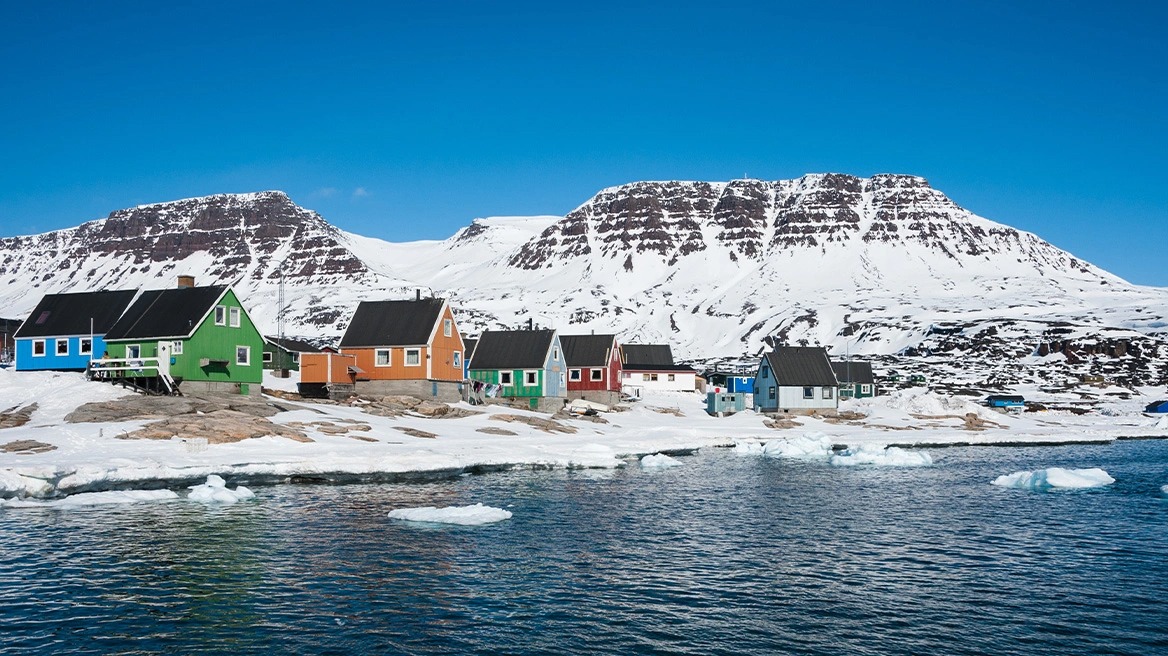
Greenland, with its rich but largely untapped mineral resources, is at the center of increasing geopolitical interest. The island's strategic importance has resurfaced, leading to meetings such as the one between the Foreign Ministers of Denmark and Greenland with the US Vice President and Secretary of State, aiming to de-escalate tensions surrounding the island. A 2023 survey revealed that Greenland possesses 25 of the 34 critical raw materials identified by the European Commission, positioning it as a potential hub for the energy transition and high technology. However, the exploitation of these resources is limited. Oil and gas extraction are prohibited for environmental reasons, while the development of the mining sector faces bureaucratic obstacles and opposition from local communities. Nevertheless, significant deposits of rare earths, graphite, copper, nickel, zinc, gold, diamonds, iron ore, titanium, vanadium, tungsten, and uranium exist. Specifically, three of the largest rare earth deposits are located in southern Greenland, attracting interest from companies like Critical Metals Corp. Graphite, essential for electric vehicle batteries, is found in many areas, with GreenRoc applying for a project permit. Furthermore, significant zinc deposits are present in the north, while gold and diamonds are mainly found in the south and west of Greenland, respectively. Despite the enormous potential, Greenland remains cautious about exploitation, prioritizing environmental protection and the rights of indigenous communities. This stance, combined with the growing global demand for critical minerals, is turning the island into a significant geopolitical point, with potential implications for the global economy and energy security.
You Might Also Like
Γροιλανδία: Τι κάνει το νησί τόσο περιζήτητο;
Jan 7
H Γροιλανδία δεν είναι Βενεζουέλα διαμηνύει η Ευρωπαϊκή Ένωση
Jan 11

Οι γεωπολιτικές ισορροπίες στη Γροιλανδία
Jan 13
Γροιλανδία: Γιατί δεν μπορεί να γίνει το εργοστάσιο σπάνιων γαιών που οραματίζεται ο Τραμπ – «Καλύτερα εξόρυξη στο Φεγγάρι!»
Jan 13
Οι δισεκατομμυριούχοι που ποντάρουν στη Γροιλανδία μετά το ενδιαφέρον Τραμπ
Jan 13