Sigma Live
Genetic Uniformity of Late Neanderthals Linked to Their Extinction
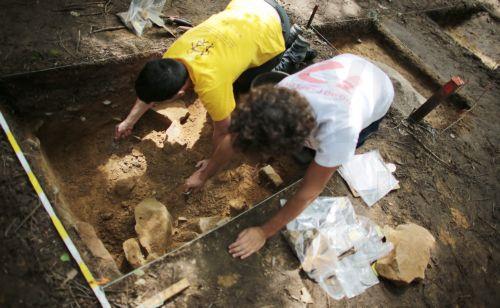
New scientific research, led by Greek researcher Haroula Fotiadou, sheds light on the extinction of the Neanderthals. Combining genetic and archaeological data, researchers reconstructed the population changes of Neanderthals during the last millennia of their presence in Europe. They found that almost all late Neanderthals descended from a single population. The analysis of mitochondrial DNA from Neanderthal bones and teeth from Belgium, France, Germany and Serbia showed that all late Neanderthals originate from a common ancestor. This was combined with data from the ROAD archaeological database, revealing that harsh climatic conditions of the Ice Age led to a drastic reduction in their populations about 75,000 years ago. A small population survived in a climatic refuge in southwestern France and spread again across Europe ten thousand years later. However, this common ancestry resulted in limited genetic diversity, making them more vulnerable. The study also identified a sharp decline in the Neanderthal population around 45,000 years ago, with their numbers reaching a minimum around 42,000 years ago. The research suggests that genetic uniformity and reduced genetic diversity contributed to their extinction.