Σαρανταοκτώ χρόνια έχουν περάσει από τη γέννηση του πρώτου «παιδιού του σωλήνα». Η Louise Brown, το πρώτο παιδί που συνελήφθη με τη μέθοδο της εξωσωματικής γονιμοποίησης, γεννήθηκε τον Ιούλιο του 1978 στο Μάντσεστερ, σηματοδοτώντας μια ιστορική τομή στην ιατρική. Δέκα χρόνια αργότερα, το 1988, η μέθοδος εφαρμόζεται για πρώτη φορά και στην Κύπρο από τον πρωτοπόρο γυναικολόγο δρ. Τάκη Γεωργίου.
Έκτοτε, περισσότερα από 12 εκατομμύρια παιδιά έχουν γεννηθεί παγκοσμίως με εξωσωματική γονιμοποίηση, η οποία έχει πλέον καθιερωθεί ως ασφαλής και αποτελεσματική μέθοδος Ιατρικώς Υποβοηθούμενης Αναπαραγωγής (Ι.Υ.Α.).
Στην Κύπρο, το νομοθετικό πλαίσιο θεσπίστηκε το 2015, ενώ ήδη από το 2002 το κράτος στηρίζει οικονομικά τα υπογόνιμα ζευγάρια και μονήρη άτομα μέσω προγραμμάτων επιδότησης. Την τελευταία δεκαετία μάλιστα οι επιδοτήσεις έχουν τετραπλασιαστεί, με τον αριθμό των ατόμων που επιδοτήθηκαν να φτάνει τις 14.946 και το συνολικό ποσό που δαπανήθηκε να ανέρχεται στα €31.472.350.
Ποιο είναι όμως, το τοπίο που συνθέτει σήμερα την ιατρικώς υποβοηθούμενη αναπαραγωγή στην Κύπρο; Ποιες είναι οι διαθέσιμες μέθοδοι ιατρικώς υποβοηθούμενης αναπαραγωγής και πόσο κοστίζουν; Τι άλλαξε τα τελευταία χρόνια στη νομοθεσία και πού κυμαίνεται το ποσοστό επιτυχίας; Αυτά τα ερωτήματα επιχειρούμε να απαντήσουμε καθώς, μύθοι και παρανοήσεις εξακολουθούν να επηρεάζουν αποφάσεις, καθυστερώντας ή ακόμη και αποτρέποντας ζευγάρια από το να απευθυνθούν έγκαιρα σε ειδικούς.
Οι μέθοδοι
Σήμερα στην Κύπρο λειτουργούν δέκα κέντρα εξωσωματικής γονιμοποίησης: πέντε στη Λευκωσία, τέσσερα στη Λεμεσό και ένα στη Λάρνακα.
Σε δηλώσεις του στον «Φ» ο δρ Νίκος Ζωττής, μαιευτήρας – γυναικολόγος στην Κλινική Λήδρα και μέλος του Συμβουλίου Ιατρικώς Υποβοηθούμενης Αναπαραγωγής (ΣΙΥΑ), εξηγεί πως η πρώτη μέθοδος -που δεν θεωρείται υποβοηθούμενη- είναι η παρακολούθηση του φυσιολογικού κύκλου μίας γυναίκας έχοντας φυσιολογικές επαφές. Η δεύτερη προσέγγιση, όπως είπε, «είναι η ενδομήτρια τοποθέτηση του σπέρματος, η αλλιώς η σπερματέγχυση ή το IUI (Intrauterine insemination). Όπου πάλι παρακολουθούμε τον κύκλο της γυναίκας, εντοπίζουμε την ωορρηξία και την ημέρα αυτή μετά από μία επεξεργασία που γίνεται στο σπέρμα το τοποθετούμε μέσα στη μήτρα. Αυτή είναι η πρώτη μέθοδος υποβοηθούμενης αναπαραγωγής, η πιο απλή και η λιγότερο ακριβή. Για την γυναίκα είναι η πιο “ανώδυνη” μέθοδος αλλά με μικρότερες επιτυχίες από την εξωσωματική».
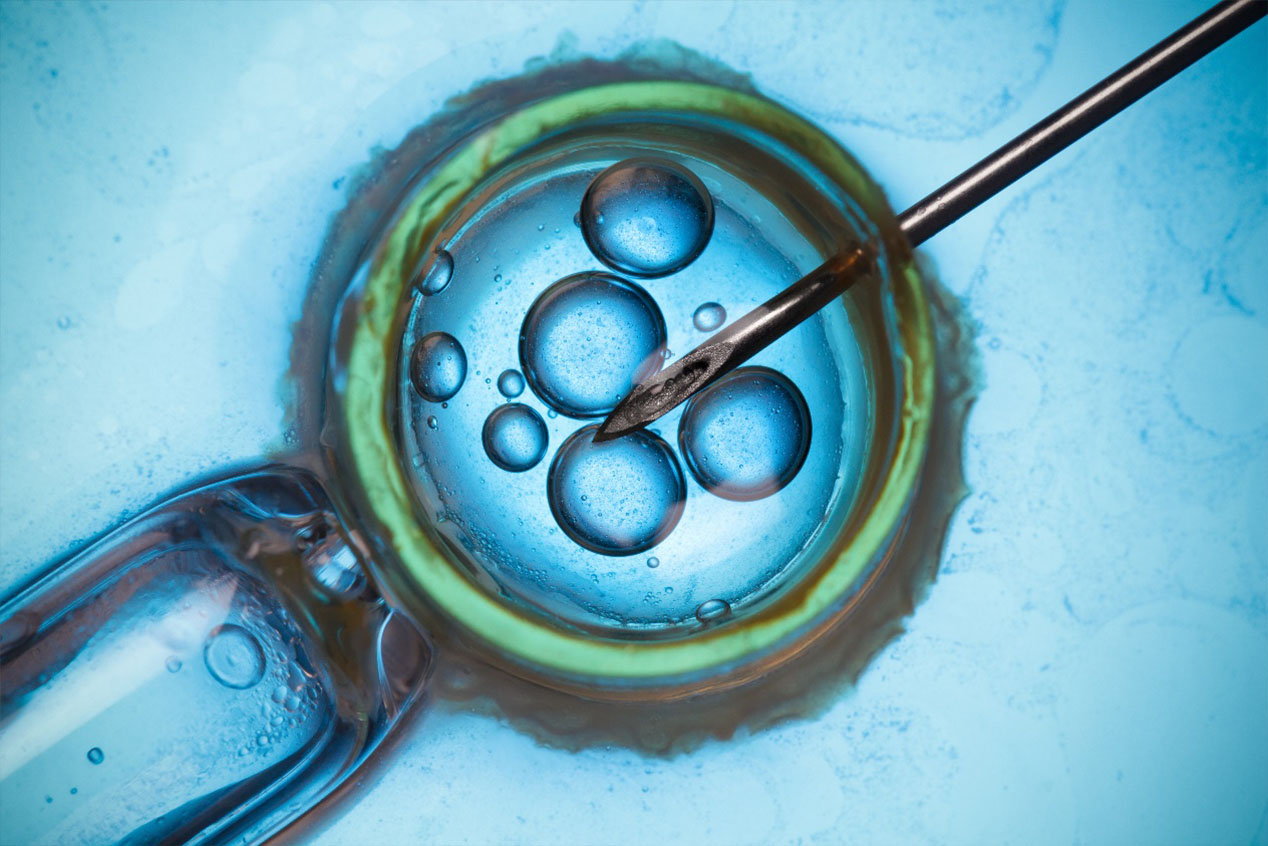
Μετά πάμε στην Εξωσωματική Γονιμοποίηση και μεταφορά εμβρύων. Σύμφωνα με τον γιατρό, «όταν λέμε εξωσωματική εννοούμε το IVF (In Vitro Fertilization) ή το ICSI (Intracytoplasmic Sperm Injection). Η διαφορά μεταξύ των δύο είναι ότι στο IVF τοποθετούμε το ωράριο και μία σταγόνα σπέρματος -που έχει χιλιάδες σπερματοζωάρια- στο τρυβλίο (στο πιατάκι) στον κλίβανο και αφήνουμε την γονιμοποίηση να συμβεί μόνη της. Ενώ, με το ICSI – στα ελληνικά Μικρογονιμοποίηση ή Ενδοκυτταροπλασματική Έγχυση Σπέρματος- ουσιαστικά τρυπάμε το ωράριο και τοποθετούμε μέσα το σπερματοζωάριο κάνοντας τη γονιμοποίηση. Η εν λόγω μέθοδος ενδείκνυται όταν υπάρχει πρόβλημα με το σπέρμα, αλλά σιγά σιγά με την πάροδο των χρόνων πολλά κέντρα την επιλέγουν ως μέθοδο εκλογής διότι έχει καλύτερα αποτελέσματα με πιο πολλά έμβρυα».
Σύμφωνα με τη νομοθεσία, τεχνικές συναφείς προς τις παραπάνω μεθόδους περιλαμβάνουν, μεταξύ άλλων: ενδοσαλπιγγική μεταφορά γαμετών, ενδοσαλπιγγική μεταφορά ζυγωτών, ενδοωαριακή εισαγωγή σπερματοζωαρίου, κρυοσυντήρηση εμβρύων, ωαρίων και σπέρματος, υποβοηθούμενη εκκόλαψη, προεμφυτευτική γενετική διάγνωση, καθώς και η παρένθετη μητρότητα.
Βαρύ το οικονομικό κόστος
Όσο αφορά το οικονομικό κόστος, αυτό είναι υψηλό και ποικίλει ανάλογα με τη θεραπεία, την περίπτωση αλλά και το Κέντρο. Ερωτηθείς σχετικά ο δρ. Ζωττής είπε πως το κόστος για IVF/ICSI, κυμαίνεται μεταξύ €6.000 και €10.000. «Εξαρτάται», όπως εξηγεί, «από την κάθε περίπτωση ξεχωριστά και από τις θεραπείες που απαιτούνται. Για παράδειγμα, αν κάποιος προβεί σε Προεμφυτευτική Γενετική Διάγνωση (PGD) μπορεί να του στοιχίσει επιπλέον €2.000. Δεν υπάρχει ταβάνι. Εναπόκειται στην κάθε κλινική και το κάθε κέντρο, καθώς χρεώνουν διαφορετικά». Όσο για το IUI, το κόστος κυμαίνεται μεταξύ €500 και €1000, χωρίς όμως να παρέχεται κρατική επιδότηση για τη συγκεκριμένη διαδικασία.
Οι κρατικές επιδοτήσεις
Το κράτος παρέχει προγράμματα επιδότησης υπογόνιμων ζευγαριών από το 2002, ωστόσο η τελευταία αναθεώρηση του Σχεδίου για Αντιμετώπιση της Υπογονιμότητας ήρθε μόλις τον Ιούλιο του 2024.Σύμφωνα με το αναθεωρημένο Σχέδιο, μπορούν να επιδοθούν μόνο δικαιούχοι του Γενικού Σχεδίου Υγείας, με εξαίρεση τις αιτήσεις ζευγαριών αποκλειστικά και μόνο για θεραπεία κρυοσυντήρησης ωραρίων για ιδίαν χρήση, όπου δεν απαιτείται ο σύζυγος να είναι δικαιούχος του ΓεΣΥ.
Δικαίωμα έχουν γυναίκες μέχρι την ηλικία των 53 ετών, μονήρεις γυναίκες ή ζευγάρια που έχουν τελέσει θρησκευτικό ή πολιτικό γάμο ή συνάψει Πολιτική Συμβίωση ή βρίσκονται σε μόνιμη σταθερή σχέση που επιβεβαιώνεται με ένορκη δήλωση, ζευγάρια ή μονήρεις γυναίκες που καταφεύγουν στη μέθοδο υποβοηθούμενης αναπαραγωγής με παρένθετη μητέρα, αφού εξασφαλίσουν εκ των προτέρων έγκριση του Συμβουλίου Ιατρικώς Υποβοηθούμενης Αναπαραγωγής.
Οι κρατικές επιδοτήσεις με βάση το αναθεωρημένο σχέδιο παραχωρούνται μέχρι τέσσερις φορές για ζευγάρια που δεν έχουν τέκνα και είναι €4.500 για την πρώτη προσπάθεια, €3.500 τη δεύτερη και €2.500 για την τρίτη και τέταρτη προσπάθεια αντίστοιχα. Ζευγάρια ή μονήρεις γυναίκες που έχουν αποκτήσει ένα παιδί μπορούν να επιδοτηθούν μέχρι τρεις φορές, ενώ με δύο παιδιά μέχρι δύο φορές. Μία εμβρυομεταφορά από μόνη της στοιχίζει από €700 μέχρι €1500 και υπάρχει επιδότηση ύψους €500. Υπάρχει -μεταξύ άλλων- και η επιδότηση ύψους €2.000 για την κρυοσυντήρηση ωαρίων για γυναίκες άνω των 35 και κάτω των 43 ετών, εκτός εάν υπάρχει ιατρικό αίτιο. Το κόστος της κρυοσυντήρησης κυμαίνεται από €2.500 μέχρι €4.000. Όσον αφορά την κρυοσυντήρηση σπέρματος το ποσό της επιδότησης ανέρχεται στα €500.
Η αίτηση πρέπει να καταχωρείται εντός τεσσάρων μηνών από την ολοκλήρωση της θεραπείας, ενώ η επιδότηση έρχεται συνήθως ένα με δύο μήνες μετά την κατάθεση της αίτησης.
Πέραν των επιδοτήσεων υπάρχει επίσης δωρεάν παραχώρηση μέχρι 35 ενέσεων γοναδοτροπίνων από τα φαρμακεία του Ο.Κ.Υπ.Υ. μέχρι τέσσερις φορές, ενώ μέσω ΓεΣΥ καλύπτονται αναλύσεις και επισκέψεις σε γυναικολόγους συμβαλλόμενους στο σύστημα.
Τετραπλασιάστηκαν οι επιδοτήσεις σε μία 10ετία
Από τα στοιχεία που παρέθεσε στον «Φ» το Υπουργείο Υγείας, διαφαίνεται η ραγδαία αύξηση που επήλθε την τελευταία δεκαετία στον αριθμό των ιατρικών πράξεων που επιδοτούνται στο πλαίσιο του προγράμματος Επιδότησης Υπογόνιμων Ζευγαριών. Συγκεκριμένα, ο αριθμός επιδοτήσεων το 2016 ανέρχονταν σε μόλις 412, το 2017 σε 587, το 2018 αυξήθηκαν στις 1,043, το 2019 ανήλθαν στις 692 και το 2020 σε 932. Το 2021 μετά την αναθεώρηση του σχεδίου, ο αριθμός των επιδοτήσεων εκτοξεύθηκε στις 2095, το 2022 στις 2212, το 2023 στις 2399 και το 2024 στις 2215.
Η ραγδαία αύξηση των επιδοτήσεων συνοδεύτηκε όπως είναι φυσικό και με εκτόξευση του ποσού που δαπανήθηκε από το κράτος. Συγκεκριμένα, το 2016 δαπανήθηκαν €475.417, το 2017 το ποσό αυξήθηκε στις €971.882, ενώ το 2018 η δαπάνη έφτασε τα €2.132.470. Έπειτα, το 2019 παρουσιάστηκε μείωση στον αριθμό επιδοτήσεων οπότε μειώθηκε η δαπάνη στο €1.307.500, ενώ το επόμενο έτος, το 2020 το ποσό ανήλθε στο €1.956.000. Τις επόμενες χρονιές το ποσό εκτοξεύθηκε στα €4.668.847 για το 2021, στα €4.415.854 το 2022, στα €4.759,150 το 2023 και στα €5.033,230 το 2024.
Το 2025 επιδοτήθηκαν 2355 άτομα, με τη δαπάνη να ανέρχεται στα €5.752.000.
Συνολικά, από το 2016 μέχρι και το τέλος του 2025, το κράτος επιδότησε 14.946 άτομα με το ποσό που δαπανήθηκε να ανέρχεται στα €31.472.350.
Η αύξηση στον αριθμό των επιδοτήσεων, πέραν από το γεγονός ότι όλο και περισσότερα άτομα στρέφονται στην ιατρικώς υποβοηθούμενη αναπαραγωγή για να αποκτήσουν παιδί, οφείλεται και στο ότι πλέον επιδοτούνται περισσότερες προσπάθειες απ’ ότι παλαιότερα.
Η αλλαγή στον αριθμό εμβρύων
Ο δρ. Ζωττής αναφέρθηκε παράλληλα στην αλλαγή που επήλθε τα τελευταία χρόνια όσον αφορά τον αριθμό των εμβρύων που μπορούν να μεταφερθούν, με στόχο τη μείωση των πολύδυμων εγκυμοσύνων. Όπως είπε, μέχρι την ηλικία των 39 και για τις πρώτες δύο προσπάθειες μπορείς να μεταφέρεις μόνο ένα έμβρυο, ενώ στις περιπτώσεις που επιτρέπεται να μεταφέρεις πέραν του ενός, μπορείς να μεταφέρεις μόνο δύο. Δηλαδή, εάν μία γυναίκα είναι άνω των 39 ετών μπορούν να μεταφέρουν δύο από την πρώτη προσπάθεια, ενώ κάτω των 39 ετών μετά από δύο αποτυχημένες προσπάθειες, στην τρίτη προσπάθεια μπορούν να μεταφέρουν δύο έμβρυα.
Στο 40-50% το ποσοστό επιτυχίας
Ποιο είναι όμως το ποσοστό επιτυχίας; Σύμφωνα με τον δρ. Ζωττή, «υπάρχει ένα παγκόσμιο ποσοστό επιτυχίας που κυμαίνεται γύρω στο 40-50% για κάθε προσπάθεια. Αλλά αυτό είναι γενικό ποσοστό. Εξαρτάται από την κάθε περίπτωση μία γυναίκα μπορεί να έχει 20% και άλλη 60%». Εξαρτάται, όπως είπε, κυρίως από την ηλικία. Όσο μεγαλώνει η γυναίκα μειώνεται το ποσοστό και πέφτει απότομα μετά τα 40 και πολύ απότομα μετά τα 42, συμπλήρωσε.
Ερωτηθείς σχετικά, ο δρ. Ζωττής εξήγησε πως «δεν υπάρχει ανώτατο όριο προσπαθειών, ενώ σε περίπτωση που δεν επιτύχει η πρώτη προσπάθεια, μπορεί να γίνει η δεύτερη πολύ σύντομα μετά από ένα με δύο μήνες».
Κλείνοντας και κληθείς να δώσει μία συμβουλή στα άτομα που επιθυμούν να υποβληθούν σε αυτές τις διαδικασίες, είπε πως «πρέπει πρωτίστως να αποτίνονται σε ειδικούς και να μην αφήνουν τον χρόνο να περνά γιατί η ηλικία είναι ένας παράγοντας που λειτουργεί αρνητικά». «Όσο πιο νωρίς, τόσο περισσότερες πιθανότητες έχεις για να πετύχεις», κατέληξε.
Fertility Treatment Boom: Methods, Success Rates, Costs – Subsidies Soar to €31.4 Million in 10 Years
Assisted Reproductive Technologies (ART) have made significant progress in the last 48 years, with the birth of the first 'test-tube baby' in 1978. In Cyprus, the method has been applied since 1988 and has led to the birth of more than 12 million children worldwide. The legal framework for ART in Cyprus was established in 2015, while the state has been providing financial support to infertile couples and single individuals since 2002. Over the past decade, ART subsidies have quadrupled, reaching €31.47 million, with 14,946 people receiving subsidies. Today, there are ten ART centers operating in Cyprus: five in Nicosia, four in Limassol, and one in Larnaca. Available methods include monitoring the natural cycle, intrauterine insemination (IUI), and in vitro fertilization (IVF/ICSI). In vitro fertilization has two main techniques: IVF, where the egg and sperm are left to fertilize in a petri dish, and ICSI, where a single sperm is injected directly into the egg. The cost of ART methods varies, but it is important to note that the government has increased the production of desalinated water to cover part of the cost. The government has developed a plan to increase the production of desalinated water, including the installation of mobile desalination units (MDUs) in various locations, the construction of new MDUs, and the study of installing a floating desalination unit. The success rate of ART depends on many factors, such as the woman's age, the quality of the eggs and sperm, and the method used.
You Might Also Like
Δικαίωμα στην άμβλωση με εμπόδια: Νόμιμες υπό προϋποθέσεις στην Κυπρο οι υπηρεσίες από το 2018 αλλά...
Dec 28

Ριζικές και δοκιμασμένες λύσεις για τη λειψυδρία
Jan 4
Η μεγάλη φορολογική τομή μετά από 23 χρόνια – Ο Έφορος Φορολογίας αποκαλύπτει με ποιο τρόπο θα διαχειριστεί τις νέες του εξουσίες
Jan 11
Καρδιά: Δέκα συνήθειες που βλάπτουν την υγεία της και δεν το καταλαβαίνουμε
Jan 14

Οικονομία à la carte: Γιατί οι Αμερικανοί νιώθουν φτωχότεροι
Jan 16