Στις 4 Φεβρουαρίου, η ατμοσφαιρική ρύπανση αναγνωρίστηκε επίσημα ως παράγοντας κινδύνου για καρκίνο στην Ευρώπη, καθώς εντάχθηκε στην 5η έκδοση του European Code Against Cancer (ECAC5). Αυτό δεν είναι απλώς μια ακόμη «σύσταση υγείας». Είναι μια καθαρή αλλαγή πλαισίου: ο αέρας δεν είναι θέμα άνεσης ή αισθητικής της πόλης∙ είναι θέμα πρόληψης και δημόσιας υγείας.
Τις τελευταίες μέρες η Ελλάδα και η Κύπρος πνίγονται στη σκόνη. Δεν είναι τυχαίο φαινόμενο, καθώς κάθε χρόνο αυτή η εικόνα αποτελεί ένα διαρκή κίνδυνο. Το πιο κρίσιμο στοιχείο εδώ είναι ότι η ποιότητα του αέρα είναι παθητική. Δεν την «επιλέγεις» όπως επιλέγεις τι θα φας ή αν θα γυμναστείς. Την αναπνέεις όπου κι αν βρίσκεσαι. Και επειδή είναι παθητική, γίνεται και βαθιά άνιση: άλλοι ζουν δίπλα σε πράσινο και χαμηλή κυκλοφορία, άλλοι δίπλα σε δρόμους, εργοτάξια, τσιμέντο και σκόνη. Άρα, όταν η Ευρώπη λέει «ο αέρας μετράει», στην πράξη λέει ότι το περιβάλλον που χτίζουμε γύρω μας είναι μέρος της πρόληψης.
Αυτό όμως δεν είναι μόνο προειδοποίηση. Είναι και ευκαιρία. Οι πόλεις που θα επενδύσουν σε περισσότερο πράσινο, λιγότερα αυτοκίνητα και λιγότερο τσιμέντο μπορούν να γίνουν πιο ελκυστικές για κατοίκους, εργαζομένους, επιχειρήσεις και επισκέπτες. Με τον ίδιο τρόπο που κάποτε μιλούσαμε για «κόστος ζωής», αρχίζει να μπαίνει στο τραπέζι και το «κόστος αέρα». Και εκεί θα κερδίσουν όσοι κάνουν την ποιότητα αέρα ανταγωνιστικό πλεονέκτημα, όχι απλώς περιβαλλοντικό σύνθημα.
Γιατί το πράσινο δεν είναι διακόσμηση. Είναι υποδομή υγείας. Η μείωση της κυκλοφορίας δεν είναι «πόλεμος στο αυτοκίνητο». Είναι επένδυση σε μια πόλη που αναπνέει. Και η μείωση του τσιμέντου δεν είναι επιστροφή στο παρελθόν. Είναι επιλογή για καλύτερη θερμική άνεση, λιγότερη σκόνη, λιγότερο φαινόμενο θερμικής νησίδας, και τελικά καλύτερη καθημερινότητα.
Αν το δούμε ως κίνητρο, τότε η «καθαρή ανάσα» γίνεται ένας νέος λόγος να μείνεις, να μετακομίσεις, να δουλέψεις, να μεγαλώσεις παιδιά, να ανοίξεις επιχείρηση. Οι πόλεις του μέλλοντος δεν θα ανταγωνίζονται μόνο σε μισθούς, ενοίκια και υποδομές. Θα ανταγωνίζονται σε ευεξία. Και η ευεξία ξεκινά από κάτι που δεν φαίνεται, αλλά σε επηρεάζει κάθε λεπτό: τον αέρα.
Άρα, το στοίχημα δεν είναι να φοβηθούμε τις μέρες σκόνης. Είναι να αποφασίσουμε τι πόλεις θέλουμε να είμαστε: πόλεις που απλώς αντέχουν το φαινόμενο ή πόλεις που σχεδιάζονται ώστε να το μειώνουν, να προστατεύουν τους πιο ευάλωτους και να κάνουν την υγεία πιο εύκολη υπόθεση. Γιατί όταν η ποιότητα αέρα είναι παθητική, η λύση δεν μπορεί να είναι μόνο ατομική. Πρέπει να είναι και συλλογική στον σχεδιασμό, στις μετακινήσεις, στο πράσινο, στις επιλογές μας για το τι χτίζουμε και πού.
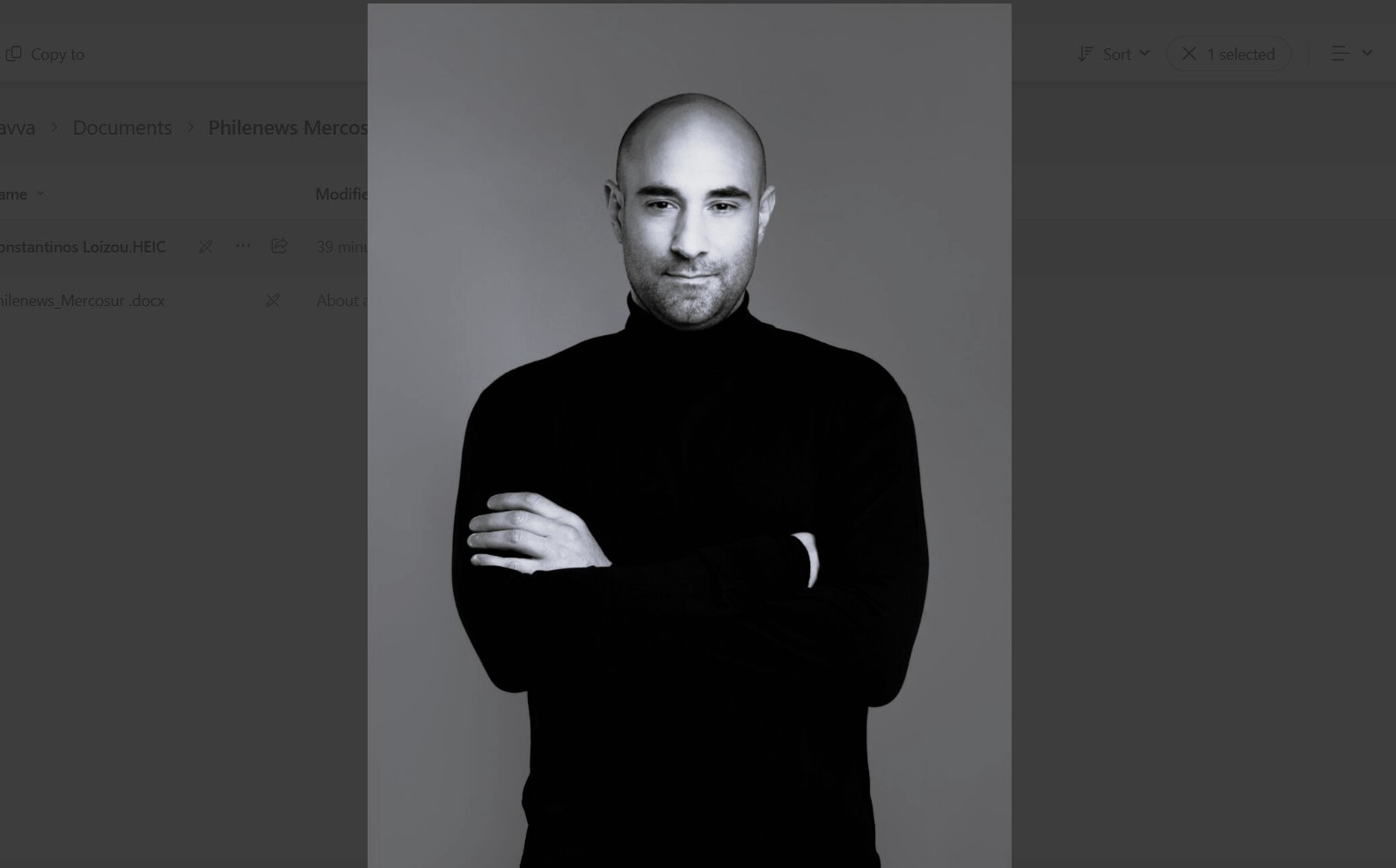
CEO, EMBIO Diagnostics
When Dust Becomes the New Normal: Which City Will Sell Quality of Life?
On February 4th, air pollution was officially recognized as a risk factor for cancer in Europe, as it was included in the 5th edition of the European Code Against Cancer (ECAC5). This is not just another “health recommendation.” It is a clear change of framework: air is not a matter of comfort or city aesthetics; it is a matter of prevention and public health. Greece and Cyprus are currently experiencing high levels of dust. This is not an isolated phenomenon, as this image is a constant risk every year. The most critical element here is that air quality is passive. You don't “choose” it like you choose what to eat or whether to exercise. You breathe it wherever you are. And because it is passive, it becomes deeply unequal: some live near green spaces and low traffic, others near roads, construction sites, concrete and dust. Thus, when Europe says “air counts,” in practice it says that the environment we build around us is part of prevention. However, this is not only a warning. It is also an opportunity. Cities that invest in more green spaces, fewer cars, and less concrete can become more attractive to residents, workers, businesses, and visitors. In the same way that we once talked about “cost of living,” the “cost of air” is beginning to be discussed. And those who make air quality a competitive advantage, not just an environmental slogan, will win. Because green space is not decoration. It is health infrastructure. Reducing traffic is not a “war on the car.” It is an investment in a city that breathes. And reducing concrete is not a return to the past. It is a choice for better thermal comfort, less dust, less urban heat island effect, and ultimately a better everyday life. If we see it as an incentive, then “clean air” becomes a new reason to stay, move, work, raise children, and start a business. The cities of the future will not only compete on salaries, rents, and infrastructure. They will compete on well-being. And well-being starts with something that is not visible, but affects you every minute: the air. Therefore, the challenge is not to fear the dusty days. It is to decide what cities we want to be: cities that simply endure the phenomenon or cities that are designed to reduce it, protect the most vulnerable, and make health easier.
You Might Also Like

Σύνδεσμος Ψυχοθεραπευτών: Ανάγκη για θεσμοθέτηση και ρύθμιση του επαγγέλματος
Feb 3

«Η νίκη κατά του καρκίνου είναι μια δοκιμασία για την Ευρώπη»
Feb 4

«Η νίκη κατά του καρκίνου είναι μια δοκιμασία για την Ευρώπη»
Feb 4

Η άθληση ως επένδυση υγείας
Feb 4

Τι πραγματικά συζητάμε όταν μιλάμε για ταινίες;
Feb 15