Η σκέψη γεννήθηκε τρέχοντας στη Σεβίλλη. Στο 28ο χιλιόμετρο, όταν τα πόδια άρχισαν να βαραίνουν και η αλήθεια γίνεται απλή. Ο μαραθώνιος είναι αμείλικτα αξιοκρατικός. Δεν σε ρωτά ποιον ξέρεις. Δεν τον ενδιαφέρει σε ποιον ανήκεις. Δεν διαπραγματεύεται με το βιογραφικό σου, ούτε με τις δημόσιες σχέσεις σου. Σου επιστρέφει ακριβώς αυτό που προετοίμασες. Ούτε λιγότερο, ούτε περισσότερο. Η σκέψη φυσικά έμεινε ως εκεί. Εξάλλου το γαλακτικό οξύ από τη μια και η ομορφιά της σχεδόν υπερβατικής διαδρομής δεν επέτρεπαν άλλες σκέψεις.
Προσγειωμένος πίσω στη πραγματικότητα όμως, σκεφτόμουν πόσο διαφορετικά θα ήταν τα πράγματα αν η ζωή -και κυρίως οι θεσμοί μας- έμοιαζαν περισσότερο με έναν μαραθώνιο. Αν η επιλογή του καταλληλότερου για την κατάλληλη θέση ήταν αυτονόητη. Αν η προσπάθεια, η επάρκεια και το ήθος ήταν τα μόνα κριτήρια.
Αντί γι’ αυτό, συχνά λειτουργούμε με έναν άλλο άγραφο κανόνα: This is Cyprus. It’s who you know – not what you know. Η φράση λέγεται μισοαστεία, μισομοιρολατρικά. Αλλά έχει κόστος. Μετρήσιμο, ορατό και αόρατο.
Αφορμή για αυτές τις σκέψεις ήταν η περίπτωση ενός φίλου. Αντικειμενικά -βάση βιογραφικού και εξέτασης- ο καταλληλότερος για μια σημαντική θέση. Με γνώσεις, εμπειρία, επαγγελματική επάρκεια. Από εκείνους που δεν χρειάζεται να θορυβούν για να φανούν. Που κάνουν τη δουλειά τους και αφήνουν το αποτέλεσμα να μιλήσει.
Δεν επιλέγηκε. Όχι γιατί υστερούσε. Αλλά γιατί κάπου αλλού είχε ήδη κριθεί αλλιώς. Δεν είναι η πρώτη φορά. Ούτε θα είναι η τελευταία. Στην Κύπρο της μικρής κλίμακας, των πολλών διασυνδέσεων και των μεγάλων εξαρτήσεων, η αναξιοκρατία δεν είναι πάντα κραυγαλέα. Είναι συχνά ήσυχη. Ευγενική. Διατυπωμένη σε σωστά ελληνικά. Με διαδικασίες που «τηρήθηκαν». Με επιτροπές που «αξιολόγησαν».
Και όμως, όλοι ξέρουν.
Το πρόβλημα δεν είναι μόνο η αδικία απέναντι σε έναν άνθρωπο. Το πρόβλημα είναι το μήνυμα που στέλνουμε. Σε όσους προσπαθούν. Σε όσους διαβάζουν, δουλεύουν, επιμένουν. Σε όσους πιστεύουν -ακόμη- ότι η ποιότητα μετρά. Είναι η κουλτούρα που παγιώνεται. Όταν η αναξιοκρατία γίνεται προβλέψιμη, παύει να σοκάρει. Και όταν παύει να σοκάρει, γίνεται κανονικότητα.
Πόσο μας στοιχίζει αυτό ως χώρα;Μας στοιχίζει σε ποιότητα αποφάσεων. Σε χαμένες ευκαιρίες. Σε ταλαντούχους ανθρώπους που αποσύρονται. Σε νέους που μαθαίνουν νωρίς ότι η αξία δεν αρκεί. Η αναξιοκρατία δεν είναι απλώς ηθικό πρόβλημα. Είναι αναπτυξιακό. Είναι βαθιά πολιτικό. Όταν δεν επιλέγεις τον καταλληλότερο, δεν τιμωρείς μόνο εκείνον. Υποβαθμίζεις το σύστημα. Κάνεις τον θεσμό λίγο πιο αδύναμο. Και κάθε τέτοια επιλογή συσσωρεύεται.
Σε μικρές κοινωνίες, ο πειρασμός είναι μεγάλος. Οι κύκλοι τέμνονται. Οι σχέσεις μπλέκονται. Η πίεση «να βοηθήσεις τον δικό σου» παρουσιάζεται ως ανθρώπινη. Όμως η διαφορά ανάμεσα στη στήριξη και στη στρέβλωση είναι λεπτή – και κρίσιμη. Κάποιοι θα πουν: «Έτσι λειτουργούν τα πράγματα». Ίσως. Αλλά έτσι λειτουργούν μέχρι να αποφασίσουμε ότι δεν μας αρκεί.
Στη Σεβίλλη, κανείς δεν μπορούσε να τρέξει για σένα. Κανένα τηλέφωνο δεν μπορούσε να σου χαρίσει τέσσερα λεπτά. Όταν ήρθε ο τοίχος, ήσουν μόνος με την προετοιμασία σου. Και εκεί βρίσκεται η ομορφιά του: η διαδρομή είναι κοινή, αλλά η ευθύνη ατομική.
Χρειαζόμαστε μια δημόσια ζωή που να λειτουργεί έτσι. Όπου η ευθύνη προηγείται της σχέσης. Όπου το «ποιος είναι ο καλύτερος;» υπερισχύει του «ποιος είναι ο δικός μας;». Ξέρω ότι δεν είναι απλό. Ξέρω ότι δεν αλλάζει με ένα άρθρο. Αλλά αν δεν αρχίσουμε να το λέμε καθαρά, θα συνεχίσουμε να το πληρώνουμε ακριβά.Γιατί κάθε φορά που δεν επιλέγουμε τον καταλληλότερο, επιλέγουμε -συνειδητά ή όχι- τη μετριότητα. Και η μετριότητα δεν κάνει θόρυβο. Απλώς συσσωρεύεται. Ο μαραθώνιος δεν θα σε αδικήσει. Αλλά δεν θα σου χαρίσει τίποτα. Θα σου δώσει αυτό που αξίζεις – με βάση αυτό που έκανες .Μακάρι κάποτε να μπορούμε να πούμε το ίδιο και για τους θεσμούς μας.
*Διευθυντής Διοίκησης και Οικονομικών Πανεπιστημίου Κύπρου
When the Best Doesn't Win
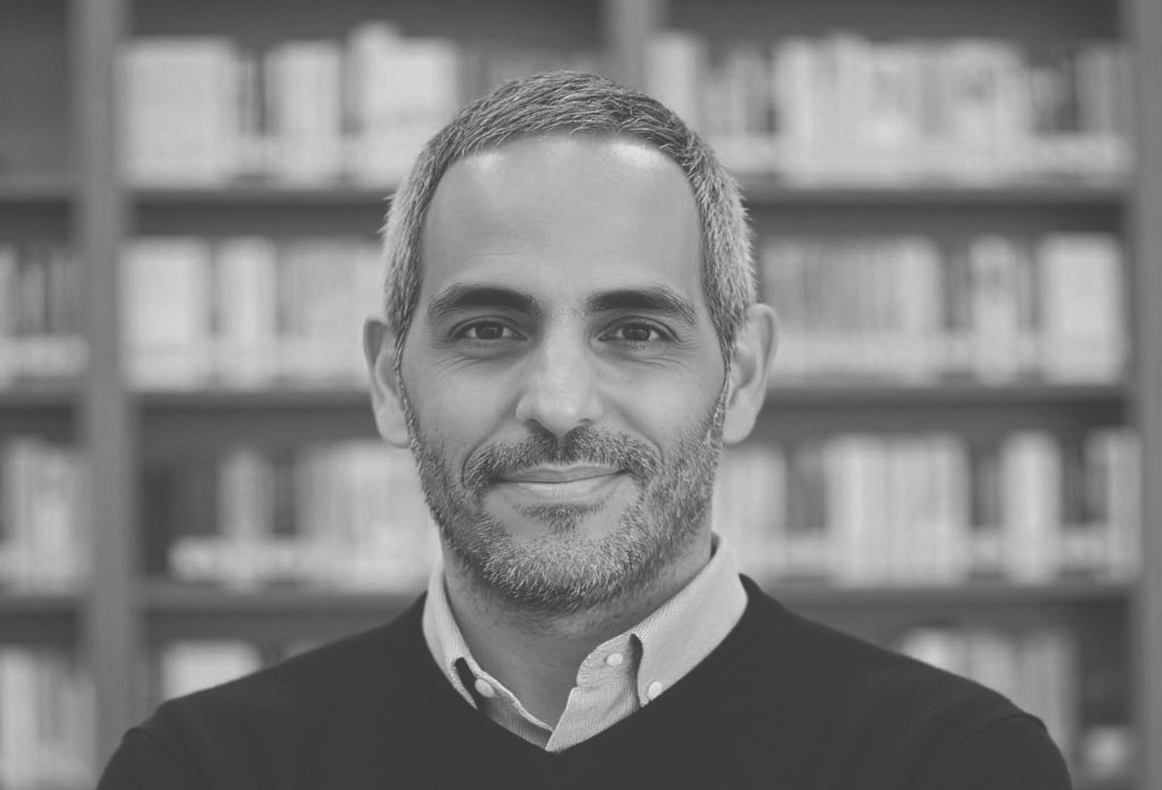
The author begins with a thought born during a marathon in Seville: the marathon is relentlessly meritocratic, returning exactly the athlete's preparation. He extends this thought to society, wondering how much better things would be if institutions operated in the same way, choosing the most suitable based on effort, competence, and ethics. However, in Cyprus, the rule "This is Cyprus. It’s who you know – not what you know" often applies. The author refers to a specific example of a friend who was the most qualified for a job based on his qualifications, but was not selected due to other factors. This phenomenon of unfairness has a cost: it reduces the quality of decisions, opportunities are lost, and talented people become discouraged. Unfairness, when predictable, ceases to shock and becomes the norm, undermining the system and institutions. The author emphasizes that unfairness is not only a moral problem, but also a developmental and political one. In small societies, the temptation to help one's own is great, but the difference between support and distortion is subtle. Choosing the best is essential for the progress and prosperity of the country.
You Might Also Like
Γράμμα από εμένα προς εμένα…
Feb 10

Παντού ακούω ότι το άγχος κάνει κακό στη εγκυμοσύνη
Feb 12

Date Night: Πώς να κλέψεις τις εντυπώσεις τη βραδιά του Αγίου Βαλεντίνου
Feb 14

Το μυστικό των make-up artists για αψεγάδιαστη βάση
Feb 20

«Ρώτα τον Ευρωβουλευτή σου» - Καλεσμένος ο Λουκάς Φουρλάς
Feb 20