Στο πλαίσιο Προγράμματος του Ευρωπαϊκού Κοινοβουλίου επισκέπτομαι διάφορα Λύκεια της Κύπρου, διαπιστώνοντας κάτι ελπιδοφόρο. Μεγάλη μερίδα των μαθητών/τριών διαφωνεί με την κυπριακή νομοθεσία που παραχώρησε ψήφο στα 17. Ουσιαστικά, οι έφηβοι απορρίπτουν την α-νόητη ευρωλαγνεία παραδοσιακών και νέων κομμάτων, και υιοθετούν την τεκμηριωμένη θέση της επιστήμης για νοητική ωρίμανση στα 18. Άλλωστε, στην ΕΕ επικρατεί το ανάποδο από εκείνο που προβάλλουν οι εγχώριοι υποτακτικοί ευρωλάγνοι οι οποίοι με την μαϊμουδίστική συμπεριφορά τους εκφυλίζουν τον γνήσιο ευρωπαϊσμό ως πολιτισμό αξιών.
Συγκεκριμένα, οι απόψεις υπέρ της ψήφου στα 17 επικεντρώνονται στο ότι θα συμβάλει στην αύξηση της συμμετοχής των νέων εμπλουτίζοντας την πολιτική συζήτηση με νεανικά θέματα. Αυτή η προσέγγιση καταδεικνύει έμμεσα την αποτυχία ενός συστήματος που υποβαθμίζει την αρχή του ενεργού και ώριμου πολίτη, που αποτελεί το επίκεντρο της δημοκρατίας. Μάλιστα, αρκετά κόμματα, είτε φοβούμενα το «πολιτικό κόστος», είτε λόγω κομματικού συμφέροντος, σιώπησαν και απέρριψαν έστω τη διενέργεια δημοψηφίσματος. Χαρακτηριστικά, από τα 27 κράτη-μέλη στην ΕΕ, μόνο σε δύο (Αυστρία και Ελλάδα) ισχύει η ψήφος στα 17 σε βουλευτικές εκλογές και στη Μάλτα για ευρωεκλογές. Σε ένα άλλο κράτος-μέλος, κατόπιν δημοψηφίσματος, απορρίφθηκε συντριπτικά.
Το ελπιδοφόρο είναι ο σεβασμός των μαθητών στον επιστημονικό κανόνα για νοητική ωρίμανση. Η επιστήμη καταδεικνύει ότι οι έφηβοι «βρίσκονται ακόμη στη νευρολογική ανάπτυξη του εγκεφάλου τους», ενώ το στάδιο ενηλικίωσης ξεκινά επαρκώς στα 18. Υπάρχουν ώριμοι κάτω των 18 κι ανώριμοι άνω των 18, αλλά η επιστήμη θέτει τον κανόνα στα 18 και μετά, και όχι στα 18 και κάτω! Συνεπώς, η σύνδεση του ορίου νοητικής ωρίμανσης με το δικαίωμα ψήφου είναι αυτονόητη.
Ειδικά για την Κύπρο, υπάρχει ακόμη ένα ισχυρό επιχείρημα υπέρ του κανόνα της επιστήμης. Την ορθή πολιτικοποίηση των νέων μέσω της αγωγής, δηλητηριάζει η κομματικοποίηση -που φτάνει μέχρι το ποδόσφαιρο- που αποτελεί κυπριακή κακοδαιμονία στην εκπαίδευση. Καθώς τα τελευταία χρόνια, μαθητές κινούνταν έξω από τα κόμματα, διεκδικώντας θέσεις στα μαθητικά συμβούλια, η ψήφος στα 17 επαναφέρει την κομματικοποίηση διά της υποταγής, αντί της πολιτικοποίησης μέσω της αγωγής. Εφόσον κύριος σκοπός του εκπαιδευτικού συστήματος είναι η αγωγή των εφήβων για να καταστούν άξιοι πολίτες, το δικαίωμα ψήφου σε 17χρονους/νες που βρίσκονται στο πρώιμο και μεταβατικό στάδιο πριν την ενηλικίωση είναι μέγα σφάλμα. Ο νόμος της επιστήμης που απαιτεί ολοκλήρωση πρώτα του σταδίου της εφηβείας και μετά παραχώρηση δικαιώματος ψήφου στον πολίτη για τις δικές του ώριμες επιλογές, είναι το ορθό.
Παράλληλο δείγμα εγχώριας παραδοξότητας είναι η έκθεση των παιδιών στην τοξικότητα και επικινδυνότητα των Μέσων Κοινωνικής Δικτύωσης. Ως Ευρωκοινοβούλιο ζητάμε οριζόντια απαγόρευση για νέους κάτω των 16 χρονών, αλλά στην Κύπρο συνεχίζει η ανεξέλεγκτη εργαλειοποίησή τους για εγκλωβισμό ιδιαίτερα των μαθητών ως μελλοντικών θυμάτων-ψηφοφόρων.
Ο Αριστοτέλης θεωρεί ως υποχρέωση της πολιτείας την παιδεία των νέων μέσω αγωγής, ώστε να καταστούν άξιοι πολίτες. Με την ψήφο στα 17, η πολιτεία ωθεί ανέτοιμους έφηβους στην κομματικοποίηση. Άλλο πολιτικοποίηση κι άλλο κομματικοποίηση. Όπως, άλλο ευρωπαϊσμός κι άλλο ευρωλαγνεία. Δυστυχώς, είναι κι εκείνοι γύρω μας που δεν κατανοούν καν τη διαφορά.
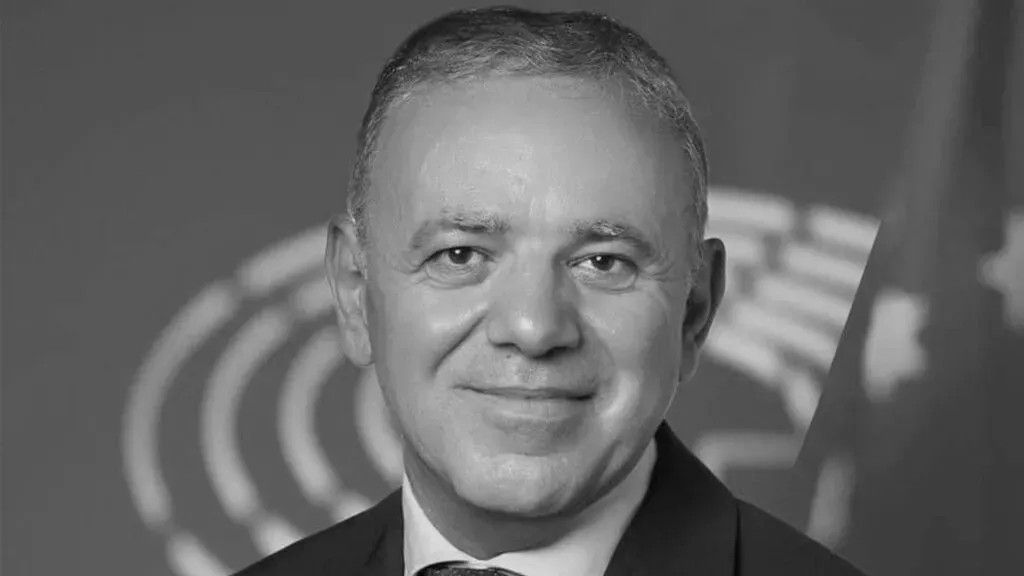
*Ευρωβουλευτής ΔΗΚΟ-S&D
Vote at 17: Politicization vs. Partisanship
An educator visiting high schools in Cyprus observes an interesting contrast: students appear to disagree with Cypriot legislation allowing voting at 17. Contrary to the "Euro-enthusiasm" of political parties, teenagers seem to support the scientific view of mental maturity at 18. The author argues that voting at 17 does not promote politicization, but rather partisanship, especially in Cyprus where political influence extends to sports. Furthermore, it is emphasized that science supports the completion of neurological brain development after 18, making this a logical limit for exercising the right to vote. The connection between mental maturity and the right to vote is considered self-evident. In Cyprus, partisanship in education undermines the proper politicization of young people, and voting at 17 reinforces this trend. The author highlights that education should focus on educating young people into mature citizens and that voting at the age of 17 is premature. Science supports waiting for the completion of adolescence before granting the right to vote. Cyprus also faces the problem of uncontrolled exposure of young people to social media, with the European Parliament calling for a horizontal ban for those under 16. In summary, the author argues that voting at 17 is a mistake that reinforces partisanship rather than politicization, and that the scientific approach to mental maturity at 18 is the correct one. Protecting young people from the negative influences of social media is also important.
You Might Also Like

Eurostat: Τα 3/4 των νεών στην Κύπρο χρησιμοποίησαν εργαλεία ΑΙ το 2025
Feb 10

Eurostat: Το 76,5% των νέων στην Κύπρο χρησιμοποίησε εργαλεία AI το 2025 – Πρωταθλήτρια η Ελλάδα
Feb 10
Συμφωνική Ορχήστρα Νέων Κύπρου: Ο Χρήστος Πελετιές υπότροφος σε φημισμένο οργανισμό των ΗΠΑ
Feb 14

Πρόδρομος Πετρίδης: Από τη δόξα των 17 τίτλων στην άδοξη έξοδο με τα χρέη «50+» εκατομμυρίων
Feb 17

Νομικισμοί #17: Nepo baby ή η ήρεμη δύναμη του ΔΗΣΥ η Έλενα Κούσιου;
Feb 18