Καθώς το νέο έτος κάνει τα πρώτα του βήματα σκέφτομαι την ευκολία του κινηματογράφου να μας ταξιδεύει σε παρελθόν και μέλλον, σε παράλληλα σύμπαντα, σε ουτοπίες και δυστοπίες. Από τη γέννησή του, πίσω στο μακρινό 1895, τo σινεμά παραμένει η κατεξοχήν τέχνη του χρόνου, μαζί με τη μουσική.
Επιλέγω λοιπόν να ξεκινήσω το κείμενό μου γυρίζοντας τον δείκτη στο ξεκίνημα αυτού του ομαδικού ονείρου που λέγεται σινεμά. Εκεί, έξω από το Γκραν Καφέ του Παρισιού, βρίσκω τους θεατές να τρέχουν τρομοκρατημένοι από την αίθουσα, όταν αντικρίζουν ένα τρένο να κατευθύνεται πάνω τους. Αδύναμοι να διακρίνουν το πραγματικό από το εικονικό, υποκύπτουν στη δύναμη του ενστικτώδους φόβου τους. Αγνοώντας, πως η προβολή επί της οθόνης είναι η καταγεγραμμένη συμπύκνωση μιας στιγμής, σε 12 (ή, συνηθέστερα, 24) καρέ ανά δευτερόλεπτο. Όπως έγραψε ο ποιητής της εικόνας Αντρέι Ταρκόφσκι, ο σκηνοθέτης είναι ο γλύπτης που σμιλεύει τον χρόνο. Σαν τον Μικελάντζελο, πασκίζει να απελευθερώσει τις μορφές μέσα από ένα κομμάτι φιλμ.
Πιασμένοι στους χρονοδείκτες
Θυμάμαι εκείνη την εμβληματική σκηνή του βωβού κινηματογράφου, με τον Χάρολντ Λόιντ κρεμασμένο στους δείκτες του ρολογιού, επάνω σε ένα ουρανοξύστη. Συχνά αισθανόμαστε κι εμείς πιασμένοι από κάποιους -ορατούς και αόρατους- χρονοδείκτες, ακριβώς όπως ο ήρωας του «Safety Last!». Μέσα στην καθημερινότητα της πόλης, η κλεψύδρα ολοένα αδειάζει και κάθε μέρα δεν διαφέρει από την προηγούμενη.
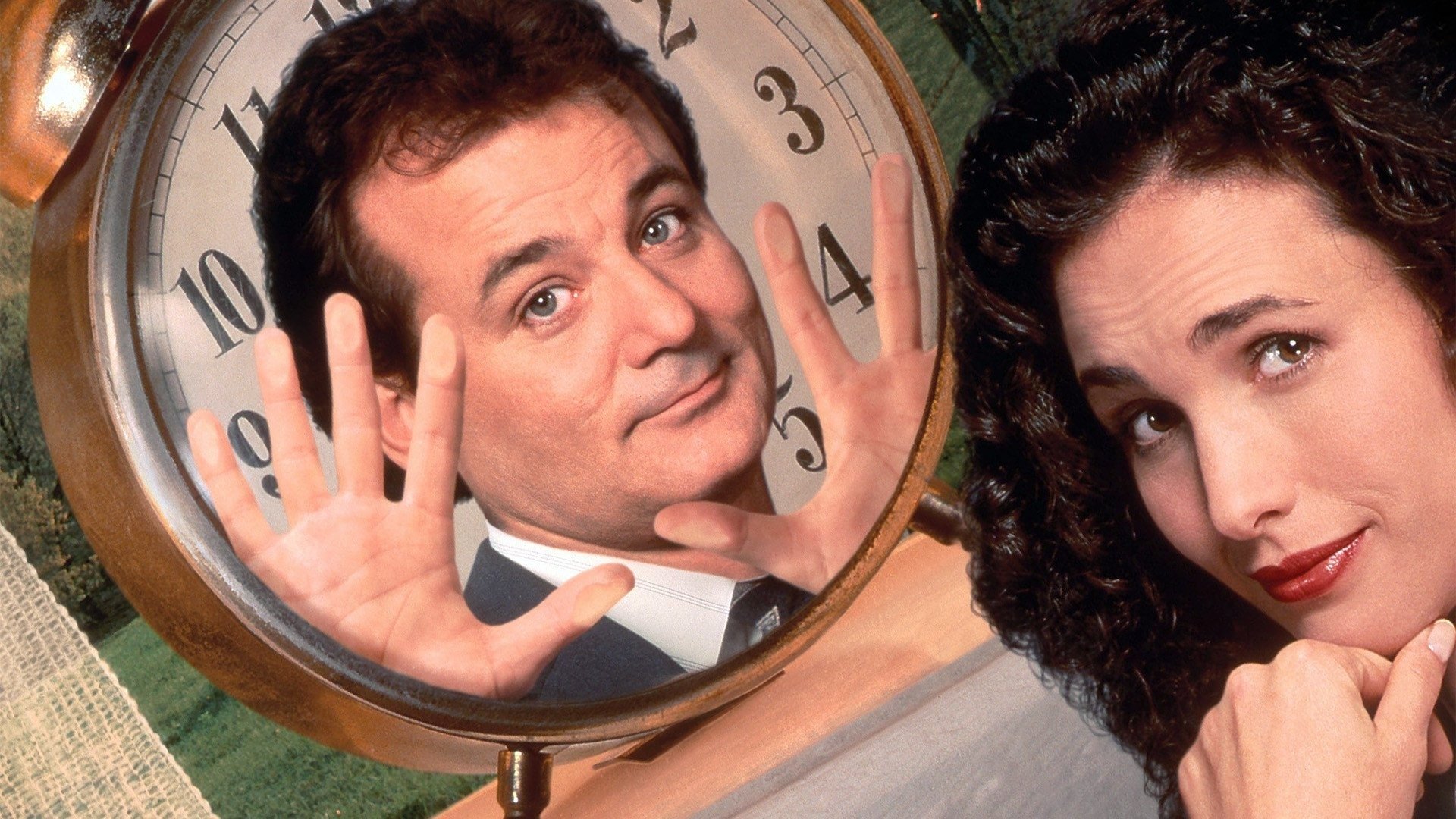
Ζούμε τη «Μέρα της Μαρμότας» όπως ο Μπιλ Μάρεϊ, πνιγμένοι σε ανούσιες «καλημέρες», αναζητώντας μάταια μια φωτεινή στιγμή για να καθρεφτιστούμε με τον δίπλα μας. Στην ταινία του Χάρολντ Ράμις ζήσαμε τον χρόνο ως επανάληψη, ως λούπα, με τη βελόνα μονίμως κολλημένη.
Κι όχι τυχαία: ο χρόνος ως αγχώδης διαταραχή είναι «προσόν» του δυτικού ανθρώπου, «παιδί» (όπως ο κινηματογράφος) της βιομηχανικής επανάστασης. Στις σύγχρονες μεγαλουπόλεις η έκφραση «ο χρόνος είναι χρήμα» βρίσκει την απόλυτη εφαρμογή της. Στο δυστοπικό «In Time» του Άντριου Νίκολ, το βλέπουμε να συμβαίνει στην κυριολεξία: οι πλούσιοι έχουν άπλετο χρόνο ενώ οι φτωχοί παλεύουν νυχθημερόν για να «αγοράσουν» το κάθε λεπτό.
Ταξιδεύοντας στο μέλλον και στο παρελθόν
Όπως και στην πραγματικότητα, η κινηματογραφική μας σχέση με τον χρόνο είναι αντιφατική. Κάποτε, η νοσταλγία για τα παλιά ωθεί τη συναισθηματική βουτιά στο παρελθόν. Ήταν εκείνη που οδήγησε τον Φεντερίκο Φελίνι να ανασυνθέσει τις μνήμες των παιδικών του χρόνων και να φτιάξει το αριστουργηματικό «Άμαρκορντ».
Κάποιοι από εμάς αισθάνονται σαν να γεννήθηκαν σε λάθος εποχή. Θα προτιμούσαν, ίσως, να βρίσκονταν κάποια «Μεσάνυχτα στο Παρίσι» του ’20, παρέα με τους καλλιτέχνες της Μπελ Επόκ: κάτι τέτοιο θέλησε και η καλπάζουσα φαντασία του Γούντι Άλεν. Άλλοι, θα ήθελαν να σβήσουν με μια μονοκονδυλιά όλες τις άσχημες στιγμές, τους αδιέξοδους έρωτες, όπως ο Τζιμ Κάρεϊ στο «Eternal Sunshine of the Spotless Mind» του Μισέλ Γκοντρί.
Ή να διορθώσουν κάτι από το παρελθόν, να μουντζουρώσουν κάποια προσωπική ή μαζική καταστροφή. Αλήθεια, ποιοι δεν θα ήθελαν να μιμηθούν τον Μπρους Γουίλις στο «12 Monkeys» για να αποτρέψουν τη μόλυνση της ανθρωπότητας από κάποιον θανατηφόρο ιό (ή έστω κορωνοϊό); Βεβαίως, όπως μας έδειξε και το «Back to the Future» του Ρόμπερτ Ζεμέκις, τα κινηματογραφικά ταξίδια στο παρελθόν μπορούν να πάνε ξεκαρδιστικά στραβά, ιδιαίτερα αν η χρονοκάψουλα οδηγείται από κάποιον εκκεντρικό… Ντόκτορα.
Η κρυφή γοητεία του σινεμά: χρόνος, όνειρα και μνήμη
Πώς προτιμάτε τον χρόνο σας, γραμμικό ή κυκλικό; Το σινεμά μάς συστήνει με όλες τις εκδοχές, οδηγώντας μας σε υπαρξιακά και φιλοσοφικά αινίγματα. Για παράδειγμα, εκείνη η σβούρα που γυρίζει μέσα από τα χέρια του Λεονάρντο Ντι Κάπριο, στην τελική σκηνή του «Inception», σε ποια κατηγορία ανήκει; Του ονείρου ή της πραγματικότητας;
Σ’ αυτό το ερώτημα δυσκολευτήκαμε να δώσουμε απάντηση. Όπως άλλοτε, στην «Κρυφή γοητεία της μπουρζουζίας», όταν ο Λουί Μπουνιουέλ μας κάλεσε σε ένα κινηματογραφικό δείπνο τυλιγμένο στο όνειρο. Αλλά ούτε και τον άλλο, παλαιότερο γρίφο τον λύσαμε: όντως συναντήθηκαν ο ανώνυμος άντρας και η γυναίκα, «Πέρσι στο Μαρίενμπαντ», όπως η ταινία του Αλέν Ρενέ υπονοεί;
Οι απαντήσεις στις σπουδαίες ταινίες είναι συνήθως ανοιχτές. Ο κινηματογράφος λατρεύει τα αινίγματα και τις προκλήσεις, παίζοντας με το όνειρο, τη μνήμη και εκείνο το ατέλειωτο τικ-τακ του χρόνου. Ο φιλόσοφος Ζιλ Ντελέζ, στο βιβλίο του για το σινεμά με τίτλο «Χρονοεικόνα», μίλησε για τα λεγόμενα «φύλλα του χρόνου». Εκεί, τα στρώματα του παρελθόντος αναμειγνύονται με το παρόν για να δημιουργήσουν ένα υβριδικό βίωμα. Συχνά, οι εικόνες στις ταινίες των Μικελάντζελο Αντονιόνι, Άλφρεντ Χίτσκοκ, Όρσον Γουέλς, Ζαν-Λικ Γκοντάρ, Φεντερίκο Φελίνι και άλλων, μοιάζουν κρυστάλλινες: καθρεφτίζουν το σήμερα μέσα από το φίλτρο της μνήμης.
Το καλό σινεμά εκλαμβάνει τον χρόνο σαν μια ενότητα, ενώ εμείς, αφελείς σαν τους θεατές στο Γκραν Καφέ του Παρισιού, θαρρούμε πως τον μετράμε, τον κομματιάζουμε σε μικρά δευτερόλεπτα. Κι όμως, η τέχνη του κινηματογράφου έχει κάτι να μας διδάξει για τα σχέδια της νέας χρονιάς. Στη ζωή, όπως και στο μοντάζ, το κάθε καινούριο πλάνο δημιουργείται ως η απάντηση στο προηγούμενο…
Ελεύθερα, 11.1.2026
Time and Cinema
The author reflects on the relationship between cinema and time, noting that the art of film has the ability to transport us to the past, the future, and alternative realities. From the first screening of the train that frightened audiences in 1895, cinema has become the quintessential art of condensing time, capturing moments in frames per second. The author compares the director to a sculptor who carves time, trying to free the forms within the film. He refers to the feeling of being trapped by the ticking clocks of everyday life, as depicted in “Safety Last!” and “Groundhog Day”. In the dystopian “In Time”, time becomes a commodity, with the rich having plenty of time and the poor struggling for every minute. Cinema also offers the opportunity to explore nostalgia for the past, as in Fellini's “Amarcord”, or to imagine a life in a different era, as in Allen's “Midnight in Paris”. It can give us the chance to correct past mistakes, as in “Eternal Sunshine of the Spotless Mind”, or to erase unpleasant moments. Our relationship with time, like that of cinema, is contradictory and complex.
You Might Also Like

Αλεξάνδρα Νίκα: Συνειδητή απόφαση η μητρότητα σε μικρή ηλικία, ο Κωνσταντίνος είναι ο άνθρωπός μου
Dec 26
Γιάννης Τουμαζής: Μια ώριμη κοινωνία δεν ζητά από την τέχνη να σιωπά
Dec 28
Καταναλώνοντας τα Χριστούγεννα
Dec 28

Άννα Βαγενά: Πολιτική είναι η έγνοια για τους άλλους
Jan 12

Οι προθέσεις – στόχοι για τη νέα χρονιά και η σημασία τους
Jan 12