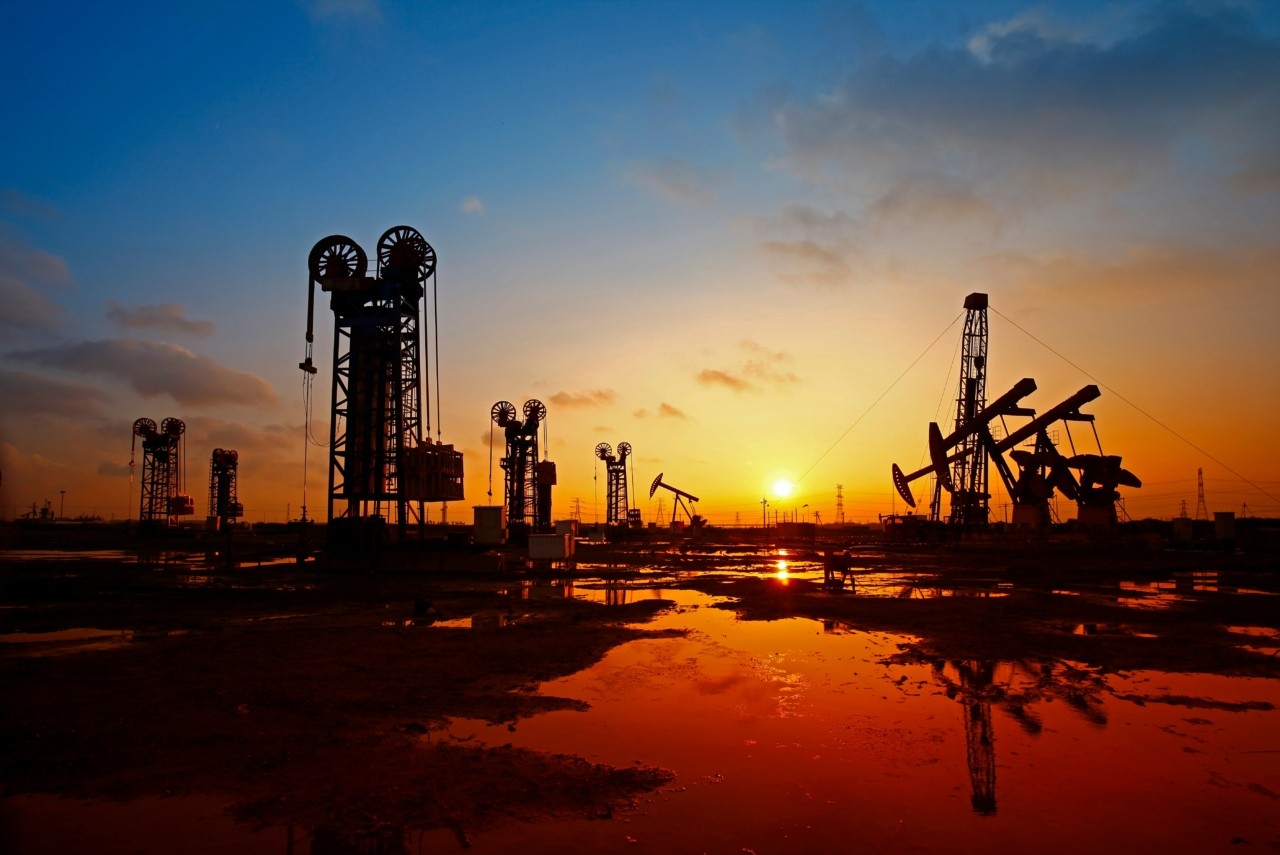
Η εκτίναξη της τιμής του πετρελαίου κοντά στα 120 δολάρια επαναφέρει μνήμες από την ενεργειακή κρίση του 2022. Και παρότι οι περισσότεροι σκέφτονται πρώτα τη βενζίνη στο πρατήριο, η πραγματικότητα είναι ότι το πετρέλαιο επηρεάζει πολύ περισσότερους τομείς της οικονομίας. Οι αυξήσεις συνήθως εμφανίζονται σταδιακά - αλλά με συγκεκριμένη σειρά.
1. Καύσιμα και μετακινήσεις
Η πρώτη και πιο άμεση επίπτωση είναι φυσικά στα καύσιμα.
Οι τιμές της βενζίνης και του πετρελαίου κίνησης αντιδρούν σχετικά γρήγορα στις διεθνείς αυξήσεις, κάτι που επηρεάζει:
- τις καθημερινές μετακινήσεις
- το κόστος μεταφοράς αγαθών
- τα εισιτήρια μεταφορών
2. Μεταφορές και logistics
Το κόστος καυσίμων αποτελεί βασικό στοιχείο για τις μεταφορικές εταιρείες.
Όταν αυξάνεται, επηρεάζονται:
- μεταφορές προϊόντων
- διανομή τροφίμων
- ηλεκτρονικό εμπόριο
Οι αυξήσεις αυτές μεταφέρονται σταδιακά στην τελική τιμή των προϊόντων.
3. Τρόφιμα
Η σύνδεση μπορεί να φαίνεται έμμεση, αλλά είναι ισχυρή.
Το πετρέλαιο επηρεάζει:
- μεταφορά τροφίμων
- αγροτικές καλλιέργειες
- παραγωγή και συσκευασία
Γι’ αυτό και οι αυξήσεις στην ενέργεια συχνά εμφανίζονται λίγο αργότερα και στα ράφια των σούπερ μάρκετ.
4. Πλαστικά και συσκευασίες
Το πετρέλαιο αποτελεί βασική πρώτη ύλη για πολλά προϊόντα, ιδιαίτερα για πλαστικά.
Από συσκευασίες μέχρι καθημερινά αντικείμενα, το κόστος παραγωγής επηρεάζεται άμεσα.
Τι μπορείτε να κάνετε για να περιορίσετε την επίπτωση
Η άνοδος των τιμών δεν μπορεί να αποφευχθεί πλήρως. Υπάρχουν όμως ορισμένες πρακτικές κινήσεις που μπορούν να περιορίσουν την πίεση στο πορτοφόλι.
1. Οργανώστε τις μετακινήσεις σας
Η συνδυαστική χρήση αυτοκινήτου – μετρό και άλλων μέσων μαζικής μεταφοράς και η αποφυγή περιττών μετακινήσεων μειώνει την κατανάλωση καυσίμου.
2. Παρακολουθείτε τις τιμές καυσίμων
Οι διαφορές μεταξύ πρατηρίων μπορεί να είναι σημαντικές, όπως και η ποιότητα των καυσίμων. Επιλέξτε το πρατήριο που εμπιστεύεστε, μην βάζετε τυχαία βενζίνη, όπου βρείτε.
3. Προγραμματίστε τις αγορές σας
Η συγκέντρωση αγορών μειώνει τις μετακινήσεις και τα έξοδα.
4. Δώστε έμφαση στην ενεργειακή εξοικονόμηση
Η μείωση της κατανάλωσης ενέργειας στο σπίτι περιορίζει τις συνολικές επιπτώσεις της ενεργειακής κρίσης.
Όταν η τιμή του πετρελαίου ανεβαίνει, η επίδραση δεν περιορίζεται στα πρατήρια καυσίμων. Οι αυξήσεις περνούν σταδιακά σε πολλούς τομείς της οικονομίας και τελικά φτάνουν στο πορτοφόλι των καταναλωτών.
Η ενημέρωση και η σωστή διαχείριση των καθημερινών εξόδων μπορούν να περιορίσουν μέρος της πίεσης — ακόμη και σε μια περίοδο ακριβής ενέργειας.
Oil Price Surge: What Rises First and How to Ease the Pain
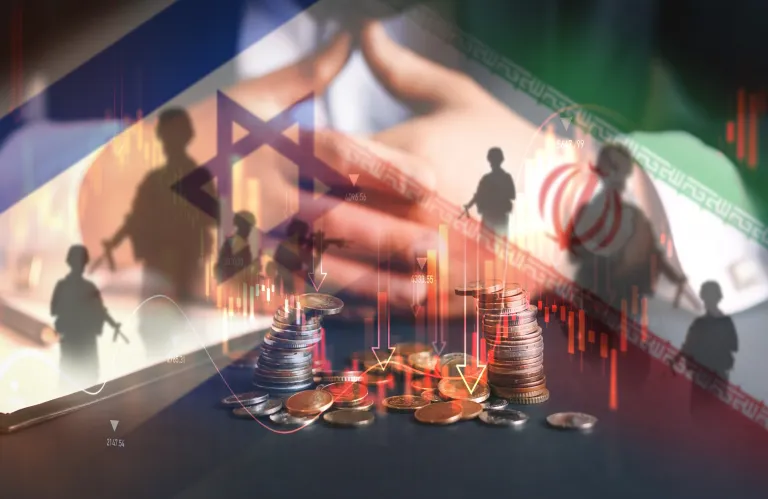
The surge in oil prices, approaching $120 a barrel, brings back concerns about an energy crisis, similar to that of 2022. The immediate consequence is the increase in fuel and transportation costs, affecting the cost of goods transportation and tickets. Subsequently, this increase is transferred to transportation and logistics, food (due to impacts on transportation, cultivation, and production), and plastics and packaging, as oil is a key raw material. To limit the financial burden, practices such as organizing trips, comparing fuel prices, planning purchases, and focusing on energy saving at home are suggested. The rise in prices cannot be fully avoided, but proper management of daily expenses can reduce the pressure on the wallet. The impact of rising oil prices is not limited to gas stations but extends to many sectors of the economy, ultimately affecting consumers. Information and careful management of expenses are important to address the situation. In summary, the surge in oil prices has multiple impacts on the economy and the daily lives of citizens. Taking steps to reduce consumption and carefully managing finances are essential to address the increases.