Έντονες αντιδράσεις προκαλεί στην Κύπρο η έγκριση, έπειτα από 25 χρόνια διαπραγματεύσεων, της μεγαλύτερης συμφωνίας ελεύθερων συναλλαγών που έχει συνάψει ποτέ η Ευρωπαϊκή Ένωση με τις χώρες της νοτιοαμερικανικής Mercosur. Αγροτικές οργανώσεις και o Πρόεδρος της Κοινοβουλευτικής Επιτροπής Γεωργίας, μιλώντας στο ΚΥΠΕ εκφράζουν σοβαρές ανησυχίες για την ασφάλεια των τροφίμων, το περιβάλλον και τη βιωσιμότητα του πρωτογενούς τομέα, κάνοντας λόγο για αθέμιτο ανταγωνισμό εις βάρος των Ευρωπαίων και ιδιαίτερα των Κυπρίων παραγωγών.
Ο Πρόεδρος του Παναγροτικού, Κυριάκος Καϊλάς, χαρακτήρισε τη συμφωνία καταστροφική για τον Ευρωπαίο παραγωγό, σημειώνοντας ότι επιτρέπει την εισαγωγή προϊόντων από τρίτες χώρες που δεν υπόκεινται στους αυστηρούς κανονισμούς που εφαρμόζει η ΕΕ σε ό,τι αφορά φυτοφάρμακα, λιπάσματα και γενετικά τροποποιημένους οργανισμούς. Όπως ανέφερε, οι Ευρωπαίοι αγρότες καλούνται να τηρούν προϋποθέσεις όπως η επανεγγραφή όλων των φυτοφαρμάκων και η απόσυρση εκατοντάδων σκευασμάτων με απαγορευμένες ουσίες, με αποτέλεσμα το κόστος παραγωγής τους να είναι αυξημένο κατά 20% έως 30%.
Ο κ. Καϊλάς διερωτήθηκε αν η ΕΕ είναι έτοιμη να προσφέρει στους καταναλωτές προϊόντα τα οποία επί χρόνια θεωρούσε ακατάλληλα, υποστηρίζοντας ότι οι ποσοστώσεις που προβλέπονται στη συμφωνία υπέρ των Ευρωπαίων παραγωγών αποτελούν «στάχτη στα μάτια». Εξήγησε ότι ακόμη και η είσοδος μικρών ποσοτήτων εισαγόμενων προϊόντων, της τάξης του 10% ή 20%, σε τιμές μειωμένες κατά 15% έως 20%, αρκεί για να προκαλέσει σοβαρό πλήγμα στην εγχώρια παραγωγή.
Παράλληλα, τόνισε ότι αν η ΕΕ επιδιώκει πραγματικά ίσους όρους ανταγωνισμού, θα έπρεπε είτε να απαγορεύσει τις εισαγωγές προϊόντων που παράγονται με ουσίες απαγορευμένες στην Ευρώπη είτε να επιτρέψει και στους Ευρωπαίους παραγωγούς τη χρήση των ίδιων σκευασμάτων, κάτι που ωστόσο, όπως επεσήμανε, θα οδηγούσε σε σοβαρούς κινδύνους για τη δημόσια υγεία. Υπενθύμισε ότι τα τελευταία χρόνια η Ευρώπη επενδύει στη μείωση των αντιβιοτικών στις φάρμες, στην προστασία του περιβάλλοντος και στη βιολογική καλλιέργεια, επιλογές που μειώνουν την παραγωγή και αυξάνουν τις τιμές.
Ο Πρόεδρος του Παναγροτικού έκανε λόγο για απανωτά χτυπήματα στον πρωτογενή τομέα. Ιδιαίτερη αναφορά έκανε και στις πρόσθετες δυσκολίες που αντιμετωπίζουν οι Κύπριοι αγρότες, όπως η λειψυδρία, τα προβλήματα στις διαδικασίες για τα χαλίτικα και την υπεκμίσθωση τουρκοκυπριακής γης και τα προβλήματα κοινωνικής πολιτικής που δυσχεραίνουν τη συνταξιοδότησή τους.
Από πλευράς του, ο Γενικός Γραμματέας της Ένωσης Κυπρίων Αγροτών (ΕΚΑ), Πανίκος Χάμπας, ανέφερε ότι η συμφωνία ΕΕ–Mercosur, η οποία θα προωθηθεί στο Ευρωπαϊκό Κοινοβούλιο, πλήττει την ασφάλεια των τροφίμων, το περιβάλλον και τους ίδιους τους παραγωγούς. Όπως υποστήριξε, δημιουργείται αθέμιτος ανταγωνισμός, καθώς εισάγονται στην ΕΕ προϊόντα που παράγονται με φυτοφάρμακα και ουσίες απαγορευμένες στην ευρωπαϊκή νομοθεσία, γεγονός που χαρακτήρισε ιδιαίτερα επικίνδυνο για τους καταναλωτές.
«Πρόκειται για προϊόντα που είναι ουσιαστικά παράνομα στην Ευρωπαϊκή Ένωση και όμως θα τα έχουμε στο τραπέζι μας ως καταναλωτές», ανέφερε.
Ο κ. Χάμπας σημείωσε ότι δεν είναι τυχαίο πως χώρες όπως η Γαλλία, η Πολωνία και η Ουγγαρία καταψήφισαν τη συμφωνία, ενώ το Βέλγιο τήρησε αποχή, σε αντίθεση με την Κύπρο και την Ελλάδα που ψήφισαν υπέρ. Εξέφρασε, επίσης, δυσαρέσκεια για το γεγονός ότι οι αγροτικές οργανώσεις δεν ενημερώθηκαν κατά πόσο η κυπριακή Κυβέρνηση διεκδίκησε ειδικές πρόνοιες για τους Κύπριους αγρότες κατά τις διαπραγματεύσεις.
Κάλεσε τους Κύπριους ευρωβουλευτές να καταψηφίσουν τη συμφωνία στο Ευρωπαϊκό Κοινοβούλιο. Σύμφωνα με τον κ. Χάμπα, ο μεγαλύτερος κίνδυνος αφορά τους κτηνοτρόφους και ιδιαίτερα τους αγελαδοτρόφους και τον τομέα των πουλερικών, γεγονός που ενδέχεται να οδηγήσει σε εγκατάλειψη της υπαίθρου, με σοβαρές επιπτώσεις και για το περιβάλλον.
Αναφερόμενος στις ποσοστώσεις που περιλαμβάνει η συμφωνία, ο Γενικός Γραμματέας της ΕΚΑ δήλωσε ότι δεν καθησυχάζουν τον αγροτικό κόσμο, υποστηρίζοντας ότι η μείωση των δασμών θα ανοίξει τον δρόμο για περαιτέρω εισαγωγές και άλλων προϊόντων στο μέλλον. Σύνδεσε, μάλιστα, τη συμφωνία με τη γενικότερη πολιτική της ΕΕ για μείωση της Κοινής Γεωργικής Πολιτικής, εκφράζοντας την άποψη ότι ευνοούνται κυρίως τα μεγάλα εμπορικά συμφέροντα, με σοβαρές περιβαλλοντικές συνέπειες, ακόμη και σε περιοχές όπως ο Αμαζόνιος.
Όπως ανέφερε, το ζήτημα θα τεθεί σε ευρωπαϊκό επίπεδο σε συνεννόηση με την Copa-Cogeca για τα επόμενα βήματα.
Αυτεπάγγελτη συζήτηση του θέματος στην Κοινοβουλευτική Επιτροπή Γεωργίας
Ο Πρόεδρος της Κοινοβουλευτικής Επιτροπής Γεωργίας, Γιαννάκης Γαβριήλ, εξέφρασε την αντίθεσή του στη συμφωνία, ανακοινώνοντας ότι το θέμα θα συζητηθεί αυτεπάγγελτα την ερχόμενη Τετάρτη στην Επιτροπή Γεωργίας, παρουσία των Υπουργών Υγείας, Γεωργίας και Εμπορίου. Όπως ανέφερε, θα ζητηθούν εξηγήσεις για τη στάση της Κυβέρνησης, προειδοποιώντας ότι η συμφωνία θα οδηγήσει σε εισαγωγή προϊόντων αμφίβολης ποιότητας, χωρίς επαρκείς ελέγχους, και σε περαιτέρω επιβάρυνση του κόστους για τους Ευρωπαίους παραγωγούς.
Ο κ. Γαβριήλ τόνισε ότι ο γεωργικός τομέας στην Κύπρο αντιμετωπίζει αυξημένα κόστη παραγωγής εδώ και χρόνια και χαρακτήρισε τη συμφωνία καταστροφική για τον πρωτογενή τομέα, ιδιαίτερα για ένα κατεχόμενο, απομακρυσμένο νησί που πλήττεται από λειψυδρία και την κλιματική κρίση.
«Με τι σκεπτικό αποφάσισε η Κυβέρνηση να ψηφίσει υπέρ μιας συμφωνίας που είναι σε βάρος του Κύπριου πολίτη» διερωτήθηκε.
ΚΥΠΕ
EU-Mercosur Deal: What It Is and What Changes for Europe's Future
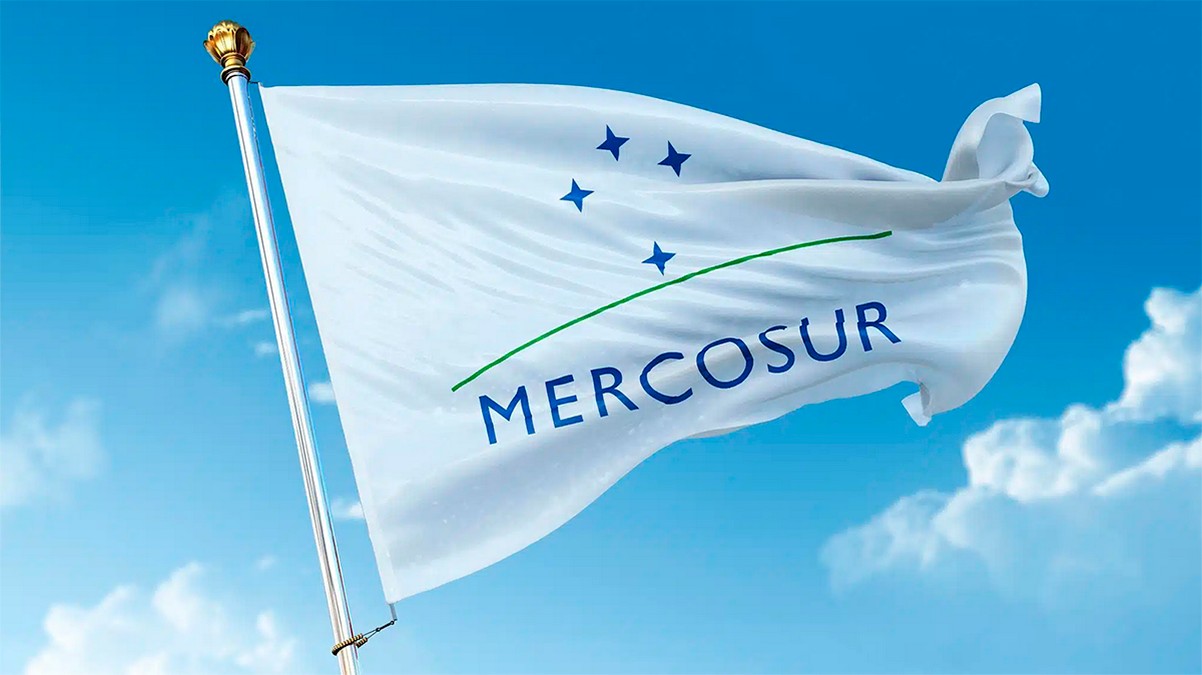
The approval of the EU-Mercosur free trade agreement, after 25 years of negotiations, has sparked strong reactions in Cyprus, mainly from agricultural organizations. Farmers express fears that the agreement will disrupt European agriculture by allowing the import of cheaper products that do not comply with EU environmental standards due to inadequate controls. The agreement provides for the elimination of tariffs and the opening of markets between the EU and Mercosur (Argentina, Brazil, Paraguay, Uruguay). Mercosur commits to eliminating tariffs on 91% of EU exports, including cars, while the EU will gradually eliminate tariffs on 92% of Mercosur exports. The agreement also includes specific quotas for agricultural products, such as wine, cheese, beef, poultry, rice, and sugar. Beef quotas amount to 99,000 metric tons, representing 1.6% of EU consumption. Supporters of the agreement expect to strengthen European exports in certain sectors, such as cars and wine. However, critics are concerned about the unfair competition that will arise for European farmers, as well as the potential import of products with residues of prohibited substances. Furthermore, they emphasize that the agreement does not take into account the specificities and difficulties faced by Cypriot farmers, such as drought and land problems. The Mercosur agreement is a significant step in strengthening trade relations between the EU and South America, but it raises serious questions about the protection of European producers, food safety, and environmental sustainability.
You Might Also Like
Deal της ΕΕ με τη Mercosur: Ποιοι κερδίζουν και ποιοι χάνουν από τη μεγαλύτερη εμπορική συμφωνία της Ευρώπης
Jan 9

Έντονες αντιδράσεις των αγροτών της Κύπρου Δεν άρεσε η συμφωνία ΕΕMercosur

Συμφωνία ΕΕ–Mercosur: Πλήγμα στους παραγωγούς και εισαγωγή προϊόντων αμφιβόλου ποιότητας
Jan 10

Αντιδρούν και οι Κύπριοι αγρότες στη συμφωνία ΕΕ-Mercosur. «Θα έρχονται προϊόντα με ουσίες απαγορευμένες»
Jan 10
Συμφωνία ΕΕ-Mercosur:«Θα έρχονται στην Κύπρο προϊόντα με απαγορευμένες ουσίες»
Jan 10