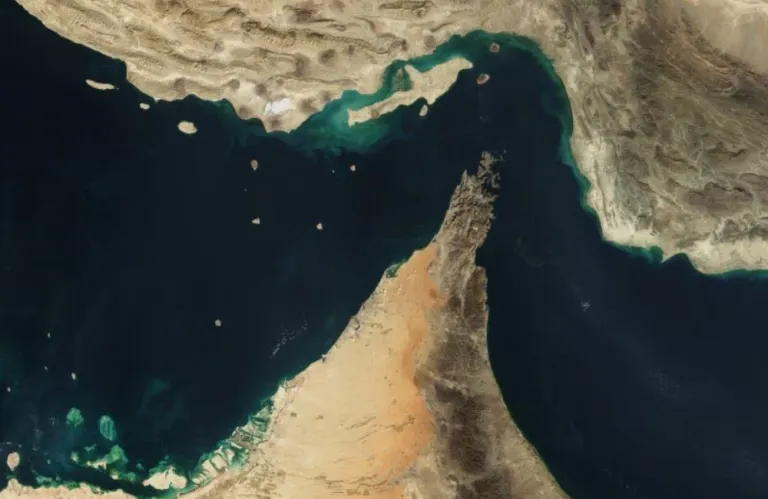
Η ναυτιλιακή κίνηση μέσω των Στενών του Ορμούζ έχει υποχωρήσει δραματικά, καθώς το μεγαλύτερο μέρος της εμπορικής δραστηριότητας έχει ουσιαστικά παγώσει, ενώ μόνο λίγα πλοία που συνδέονται με το Ιράν συνεχίζουν να κινούνται στη στρατηγική θαλάσσια οδό παρά τους αυξημένους κινδύνους ασφάλειας.
Ένα ιρανικό υπερδεξαμενόπλοιο εντοπίστηκε την Κυριακή να κινείται στα ύδατα βόρεια του Ορμούζ με προορισμό την Κίνα, σύμφωνα με στοιχεία παρακολούθησης πλοίων που συγκέντρωσε το Bloomberg. Επιπλέον, μερικά ακόμη πλοία που συνδέονται με το Ιράν διέσχισαν το στενό μέσα στις τελευταίες 24 ώρες.
Μια αμερικανική επίθεση κατά στρατιωτικών εγκαταστάσεων στο νησί Χαργκ, το οποίο διαχειρίζεται το μεγαλύτερο μέρος των εξαγωγών ιρανικού αργού πετρελαίου, αύξησε σημαντικά τους κινδύνους για τις παγκόσμιες αλυσίδες εφοδιασμού πετρελαίου. Την ίδια στιγμή, οι Ηνωμένες Πολιτείες πιέζουν τους συμμάχους τους να αναπτύξουν πολεμικά πλοία ώστε να διασφαλιστεί η επαναλειτουργία των Στενών του Ορμούζ.
Παράλληλα, η επιτυχής διέλευση δύο ινδικών δεξαμενόπλοιων υγραερίου δείχνει ότι πιθανός συντονισμός μέσω παρασκηνιακών διαύλων ίσως επιτρέπει σε ορισμένα πλοία να αποφεύγουν τη σοβαρή συμφόρηση που επικρατεί στη θαλάσσια οδό.
Οι ηλεκτρονικές παρεμβολές εξακολουθούν να επηρεάζουν τα συστήματα παρακολούθησης πλοίων στην περιοχή. Επιπλέον, η πρακτική πολλών πλοίων να απενεργοποιούν το AIS όταν κινούνται σε επικίνδυνα ύδατα περιορίζει σημαντικά την ακρίβεια και την επικαιρότητα των διαθέσιμων δεδομένων παρακολούθησης.
Ένα VLCC, ένα πλοίο LPG και αρκετά φορτηγά πλοία χύδην φορτίου, όλα συνδεδεμένα με το Ιράν, συγκαταλέγονταν στα σκάφη που παρατηρήθηκαν να εξέρχονται από τον Περσικό Κόλπο νωρίς την Κυριακή.
Καθώς πολλά πλοία απενεργοποιούν τα συστήματα εντοπισμού τους σε περιοχές υψηλού κινδύνου, ο αριθμός των διελεύσεων ενδέχεται αρχικά να φαίνεται χαμηλότερος και στη συνέχεια να αναθεωρείται προς τα πάνω όταν εμφανίζονται τα καθυστερημένα δεδομένα.
Ένα εμπορικό πλοίο μεταφοράς εμπορευματοκιβωτίων που συνδέεται με το Ιράν εισήλθε επίσης στον Περσικό Κόλπο μέσα στις τελευταίες 24 ώρες.
Επειδή τα πλοία μπορούν να κινούνται χωρίς να μεταδίδουν τη θέση τους μέχρι να απομακρυνθούν αρκετά από το Ορμούζ, συγκεντρώθηκαν αυτόματα σήματα εντοπισμού από μια ευρεία ζώνη που καλύπτει τον Κόλπο του Ομάν, την Αραβική Θάλασσα και την Ερυθρά Θάλασσα, προκειμένου να εντοπιστούν πλοία που ενδέχεται να έχουν εισέλθει ή να έχουν αποχωρήσει από τον Περσικό Κόλπο.
Όταν εντοπίζονται πιθανές διελεύσεις, εξετάζεται το ιστορικό των σημάτων για να διαπιστωθεί αν η κίνηση είναι πραγματική ή αν πρόκειται για πλαστογράφηση δεδομένων, φαινόμενο που μπορεί να προκύψει από ηλεκτρονικές παρεμβολές που αλλοιώνουν τη φαινομενική θέση ενός πλοίου.
Ορισμένες διελεύσεις ενδέχεται να μην έχουν καταγραφεί εάν οι πομποδέκτες των πλοίων δεν ενεργοποιήθηκαν ξανά. Τα δεξαμενόπλοια που συνδέονται με το Ιράν συχνά ταξιδεύουν από τον Περσικό Κόλπο χωρίς να εκπέμπουν σήματα μέχρι να φτάσουν στο Στενό της Μαλάκκα, περίπου δέκα ημέρες μετά τη διέλευσή τους από τη Φουτζάιρα στα Ηνωμένα Αραβικά Εμιράτα. Παρόμοιες τακτικές ενδέχεται να ακολουθούν και άλλα πλοία, παραμένοντας αόρατα στα συστήματα παρακολούθησης για αρκετές ημέρες.
Πηγή: newmoney.gr
Strait of Hormuz: Collapsing Shipping Traffic and Rising Risks

Shipping traffic through the Strait of Hormuz has plummeted, with most commercial activity effectively frozen, while only vessels linked to Iran continue to transit the vital waterway despite increased security risks. A US strike on military facilities on Khark Island, which handles most of Iran's oil exports, has heightened risks to global oil supply chains, while the United States is urging its allies to deploy warships to ensure the reopening of the Strait. Despite the situation, some vessels linked to Iran continue to transit the strait, while the passage of two Indian LPG tankers suggests possible coordination to avoid congestion. Electronic interference and the practice of ships disabling their AIS systems limit the accuracy of tracking data. Data collection is being conducted from a wide zone covering the Gulf of Oman, the Arabian Sea, and the Red Sea, in order to identify vessels that may have entered or exited the Persian Gulf. Verifying transits is difficult due to the possibility of data spoofing from electronic interference. The situation remains fluid, with many ships disabling their tracking systems in high-risk areas, making it difficult to accurately assess shipping traffic.