Το Διεθνές Δίκαιο απαρτίζεται από το σύνολο των κανόνων οι οποίοι ρυθμίζουν τις σχέσεις μεταξύ, κατά κύριο λόγο, των Κρατών και, ευρύτερα, μεταξύ των υποκειμένων της διεθνούς κοινότητας. Από τη γένεσή του, το Διεθνές Δίκαιο συνδέθηκε άρρηκτα με την έννοια της κρατικής κυριαρχίας και με την ανάγκη διαδραστικής συνύπαρξης ανεξάρτητων πολιτικών οντοτήτων σε ένα διεθνές σύστημα χωρίς υπερκρατική, κεντρική εξουσία.
Σε αντίθεση με τα εσωτερικά/εθνικά νομικά συστήματα, το Διεθνές Δίκαιο δεν διαθέτει έναν αποτελεσματικό μηχανισμό επιβολής, γεγονός που καθιστά τη λειτουργία του ιδιαίτερα ευάλωτη στις μεταβολές της διεθνούς πολιτικής πραγματικότητας, καθώς και στις ανισορροπίες δυνάμεων μεταξύ των υποκειμένων της διεθνούς κοινότητας. Οι γεωπολιτικές εξελίξεις, δηλαδή οι μεταβολές στις διεθνείς σχέσεις που απορρέουν από την ανακατανομή ισχύος, τις ένοπλες συγκρούσεις, τους στρατηγικούς ανταγωνισμούς και τις περιφερειακές κρίσεις, επηρεάζουν άμεσα και τον τρόπο με τον οποίο το Διεθνές Δίκαιο εφαρμόζεται. Το άρθρο αυτό εξετάζει το πώς οι γεωπολιτικές εξελίξεις επηρεάζουν το Διεθνές Δίκαιο, όχι μόνο ως προς την τήρηση των κανόνων του, αλλά και ως προς την ίδια τη δομή και την εξέλιξή του.
>>Το Διεθνές Δίκαιο ως κανονιστικό σύστημα
Το Διεθνές Δίκαιο αποτελεί ένα σύστημα κανόνων που βασίζεται στη συναίνεση των κυρίαρχων κρατών. Οι διεθνείς συνθήκες, το διεθνές εθιμικό δίκαιο και οι γενικές αρχές του δικαίου συνιστούν τις κύριες πηγές του. Η απουσία υπερκείμενης υπερκρατικής εξουσίας καθιστά την τήρηση των κανόνων αυτών εξαρτώμενη από την καλή πίστη των κρατών και από τους συσχετισμούς ισχύος στο διεθνές σύστημα. Η ιδιαιτερότητα αυτή έχει οδηγήσει σε διαχρονικό προβληματισμό σχετικά με τη δεσμευτικότητα του Διεθνούς Δικαίου. Σε αντίθεση με το εσωτερικό δίκαιο, όπου η παραβίαση συνεπάγεται, κατά κανόνα, άμεσες κυρώσεις, στο διεθνές επίπεδο η επιβολή κυρώσεων είναι συχνά αποσπασματική και πολιτικά επιλεκτική. Οι γεωπολιτικές εξελίξεις αναδεικνύουν τα δομικά αυτά χαρακτηριστικά ευαλωτότητας του Διεθνούς Δικαίου. Σε περιόδους σταθερότητας, το Διεθνές Δίκαιο λειτουργεί ως μηχανισμός πρόβλεψης και συνεργασίας. Σε περιόδους κρίσης, όμως, οι κανόνες του τίθενται υπό πίεση, καθώς τα κράτη τείνουν να προτάσσουν ζωτικά συμφέροντα και στρατηγικές επιδιώξεις έναντι της ανεπιφύλακτης τήρησής του.
>>Γεωπολιτική και ισχύς στο διεθνές σύστημα
Η γεωπολιτική αφορά την ανάλυση της ισχύος στον διεθνή χώρο, λαμβάνοντας υπόψη γεωγραφικούς, στρατιωτικούς, οικονομικούς και πολιτικούς παράγοντες. Η έννοια της ισχύος αποτελεί κεντρικό στοιχείο της διεθνούς πολιτικής και επηρεάζει άμεσα τον τρόπο με τον οποίο τα κράτη προσεγγίζουν το Διεθνές Δίκαιο. Οι ρεαλιστικές θεωρίες των διεθνών σχέσεων αντιμετωπίζουν το Διεθνές Δίκαιο ως αντανάκλαση των συσχετισμών ισχύος. Σύμφωνα με αυτή την προσέγγιση, οι ισχυρές δυνάμεις διαμορφώνουν τους κανόνες και τους ερμηνεύουν κατά τρόπο που εξυπηρετεί τα συμφέροντά τους. Οι γεωπολιτικές εξελίξεις, όπως η άνοδος νέων παγκόσμιων ή περιφερειακών δυνάμεων, οδηγούν αναπόφευκτα σε αναπροσαρμογή της διεθνούς έννομης τάξης. Αντίθετα, οι πιο θεσμικές και φιλελεύθερες προσεγγίσεις αναγνωρίζουν ότι, παρά την επιρροή της ισχύος, το Διεθνές Δίκαιο διαθέτει σχετική αυτονομία. Οι κανόνες του Διεθνούς Δικαίου δημιουργούν προσδοκίες συμπεριφοράς, περιορίζουν την αυθαιρεσία και προσφέρουν πλαίσια συνεργασίας ακόμη και μεταξύ ανταγωνιστικών κρατών. Στην πράξη, η γεωπολιτική ισχύς και το Διεθνές Δίκαιο βρίσκονται σε διαρκή αλληλεπίδραση. Οι γεωπολιτικές εξελίξεις μπορούν να οδηγήσουν, είτε σε ενίσχυση, είτε σε υπονόμευση των διεθνών κανόνων, ανάλογα με το κατά πόσον εξυπηρετούν ή αντιστρατεύονται τα συμφέροντα των κυρίαρχων διεθνών δρώντων.
>>Η κρατική κυριαρχία υπό πίεση
Η κρατική κυριαρχία αποτελεί θεμέλιο του Διεθνούς Δικαίου, καθώς συνδέεται με την αρχή της ισότητας των κρατών και την αρχή της μη επέμβασης στις εσωτερικές υποθέσεις άλλου κράτους. Ωστόσο, οι σύγχρονες γεωπολιτικές εξελίξεις έχουν μεταβάλει τον τρόπο με τον οποίο γίνεται αντιληπτή και εφαρμόζεται η κυριαρχία. Η αύξηση των διεθνών παρεμβάσεων, είτε με τη μορφή στρατιωτικών επιχειρήσεων, είτε μέσω οικονομικών και πολιτικών πιέσεων, καταδεικνύει ότι η κυριαρχία δεν αποτελεί πλέον απόλυτη έννοια. Οι γεωπολιτικές κρίσεις οδηγούν συχνά σε ερμηνευτικές διευρύνσεις ή περιορισμούς των κανόνων του Διεθνούς Δικαίου, ιδίως όταν προβάλλονται λόγοι διεθνούς ασφάλειας ή προστασίας ανθρωπίνων δικαιωμάτων. Η εξέλιξη αυτή δημιουργεί ένα παράδοξο: από τη μία πλευρά, το Διεθνές Δίκαιο επιχειρεί να περιορίσει τη χρήση ισχύος μεταξύ κυρίαρχων κρατών· από την άλλη, η ίδια η εφαρμογή του επηρεάζεται από γεωπολιτικές ισορροπίες. Το αποτέλεσμα είναι μια σχετική αποδυνάμωση της κανονιστικής του ισχύος σε περιόδους έντονης διεθνούς αντιπαράθεσης.
>>Το σύστημα συλλογικής ασφάλειας και η παράλυσή του
Το σύστημα συλλογικής ασφάλειας, όπως θεσπίστηκε με τον Χάρτη των Ηνωμένων Εθνών, στηρίζεται στον κεντρικό ρόλο του Συμβουλίου Ασφαλείας. Το όργανο αυτό διαθέτει την αρμοδιότητα να διαπιστώνει απειλές κατά της ειρήνης και να λαμβάνει δεσμευτικά μέτρα για την αποκατάστασή της. Ωστόσο, οι γεωπολιτικές αντιπαραθέσεις μεταξύ των μονίμων μελών του Συμβουλίου έχουν συχνά οδηγήσει σε αδυναμία λήψης αποφάσεων. Η χρήση του δικαιώματος αρνησικυρίας αντανακλά τις βαθύτερες γεωπολιτικές συγκρούσεις και αναδεικνύει τα όρια της εφαρμογής του Διεθνούς Δικαίου, όταν αυτό συγκρούεται με ζωτικά στρατηγικά συμφέροντα. Σε πολλές περιπτώσεις, η αδυναμία του Συμβουλίου Ασφαλείας να ενεργήσει αποτελεσματικά έχει οδηγήσει σε μονομερείς ή πολυμερείς ενέργειες εκτός του πλαισίου του ΟΗΕ, γεγονός που δημιουργεί σοβαρά ζητήματα διεθνούς νομιμότητας. Η παράλυση αυτή δεν σημαίνει την κατάρρευση του Διεθνούς Δικαίου, αλλά αναδεικνύει τη στενή του σχέση με τη γεωπολιτική πραγματικότητα. Το σύστημα συλλογικής ασφάλειας λειτουργεί πιο αποτελεσματικά σε περιόδους σύγκλισης συμφερόντων και αποδυναμώνεται όταν οι διεθνείς ανταγωνισμοί εντείνονται.
>>Τα διεθνή δικαστήρια υπό γεωπολιτική πίεση
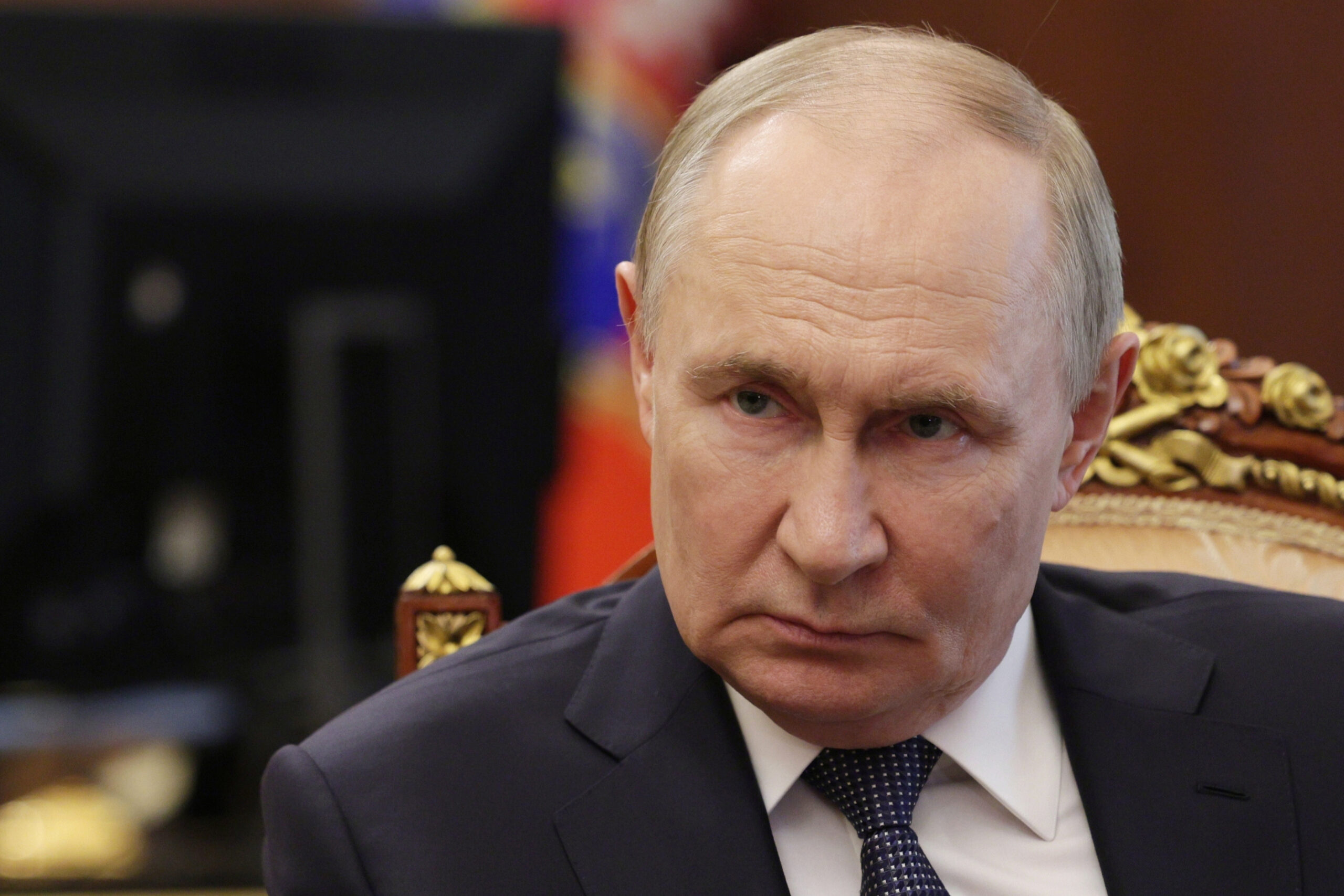
Τα διεθνή δικαστήρια και δικαιοδοτικά όργανα αποτελούν βασικούς θεματοφύλακες της διεθνούς νομιμότητας. Ωστόσο, η λειτουργία τους επηρεάζεται άμεσα από το γεωπολιτικό περιβάλλον. Η αποδοχή της δικαιοδοσίας τους από τα κράτη, η συμμόρφωση στις αποφάσεις τους και η πρακτική αποτελεσματικότητα των κρίσεών τους εξαρτώνται σε μεγάλο βαθμό από πολιτικούς και στρατηγικούς παράγοντες. Σε περιόδους έντονων γεωπολιτικών συγκρούσεων, παρατηρείται συχνά περιορισμένη συνεργασία των κρατών με τα διεθνή δικαστήρια ή ακόμη και αμφισβήτηση της νομιμοποίησής τους. Παράδειγμα, οι ΗΠΑ έναντι του Διεθνούς Ποινικού Δικαστηρίου σχετικά με την έκδοση εντάλματος σύλληψης κατά του Πρωθυπουργού του Ισραήλ Νετανιάχου, η Ρωσία σχετικά με την έκδοση αντίστοιχου εντάλματος σύλληψης έναντι του Προέδρου της Βλαντιμίρ Πούτιν, κ.ο.κ. Η στάση αυτή αποδυναμώνει την επιβολή του Διεθνούς Δικαίου και ενισχύει την αίσθηση επιλεκτικής ατιμωρησίας. Παράλληλα, όμως, η ίδια η προσφυγή των κρατών στη διεθνή δικαιοσύνη αποδεικνύει ότι το Διεθνές Δίκαιο εξακολουθεί να θεωρείται σημαντικό και αξιόπιστο εργαλείο επίλυσης διαφορών. Η νομολογία των διεθνών δικαστηρίων συμβάλλει στη σταδιακή εξέλιξη του Διεθνούς Δικαίου, ακόμη και όταν οι αποφάσεις τους δεν εφαρμόζονται πλήρως. Μέσω της ερμηνείας και της ανάπτυξης των κανόνων, τα δικαστήρια ενισχύουν τη μακροπρόθεσμη κανονιστική ισχύ του Διεθνούς Δικαίου.
Η παρούσα ανάλυση καταδεικνύει ότι το Διεθνές Δίκαιο επηρεάζεται βαθιά από τις γεωπολιτικές εξελίξεις, τόσο σε επίπεδο εφαρμογής, όσο και σε επίπεδο εξέλιξης των κανόνων του. Οι γεωπολιτικές κρίσεις αποκαλύπτουν τις αδυναμίες του διεθνούς νομικού συστήματος, αλλά ταυτόχρονα αναδεικνύουν και την αναγκαιότητά του ως πλαισίου ρύθμισης των διεθνών σχέσεων. Παρά τις πιέσεις και τις αντιφάσεις, το Διεθνές Δίκαιο εξακολουθεί να αποτελεί βασικό κανονιστικό εργαλείο της διεθνούς νομιμότητας. Η πρόκληση για το μέλλον έγκειται στην ενίσχυση της αποτελεσματικότητάς του και στην προσαρμογή του στις νέες γεωπολιτικές πραγματικότητες, χωρίς να απεμπολήσει τις θεμελιώδεις αξίες που το διέπουν. Το Διεθνές Δίκαιο συνεχίζει να αποτελεί, παρά τις γεωπολιτικές προκλήσεις, το μόνο κανονιστικό πλαίσιο για μια ειρηνική και σύννομη συνύπαρξη των υποκειμένων της Διεθνούς Κοινότητας.
* Ο δρ Μιχάλης Σταυρινός είναι διδάσκων στο Ευρωπαϊκό Πανεπιστήμιο και η Φλώρα Παπαγρηγορίου είναι φοιτήτρια
How Geopolitical Developments Impact International Law
International Law, based on state sovereignty and the need for cooperation, faces challenges from geopolitical developments. The lack of an effective enforcement mechanism makes it vulnerable to changes in international politics and power imbalances. Geopolitical shifts, such as the redistribution of power and armed conflicts, affect the application and evolution of International Law. International Law is based on the consent of states and its sources include international treaties, customary law, and general principles of law. The absence of a supranational authority means that compliance with the rules depends on the good faith of states and the balance of power. In times of stability, it functions as a mechanism for prediction and cooperation, but in times of crisis, states often prioritize national interests over adherence to the rules. Geopolitics, the analysis of power in the international arena, influences how states approach International Law. Realistic theories argue that powerful states shape the rules to their benefit. The rise of new powers and changes in the balance of power can lead to challenges to existing rules and attempts to reshape them. In conclusion, geopolitical developments pose a constant challenge to International Law, affecting both its application and its structure. Maintaining the effectiveness of International Law requires continuous adaptation to changing international conditions and strengthening cooperation between states.