Ο καρκίνος μπορεί να προστατεύει από τη νόσο Αλτσχάιμερ, αφού μια πρωτεΐνη που παράγεται από καρκινικά κύτταρα, φαίνεται να διασπά τις πλάκες της νόσου Αλτσχάιμερ.
Σύμφωνα με το περιοδικό Nature, η κυστατίνη C, μια πρωτεΐνη που παράγεται από καρκινικά κύτταρα, θα μπορούσε να εξηγήσει εν μέρει γιατί τα άτομα που έχουν περάσει καρκίνο έχουν χαμηλότερο κίνδυνο εμφάνισης νόσου Αλτσχάιμερ.
Σε μια μελέτη σε ποντίκια, οι ερευνητές διαπίστωσαν ότι η πρωτεΐνη μπορεί να διεισδύσει στον εγκέφαλο και να συνδεθεί με τα μόρια που αποτελούν τις χαρακτηριστικές πλάκες του εγκεφάλου της νόσου Αλτσχάιμερ.
Αυτή η αλληλεπίδραση τραβάει την προσοχή των ανοσοκυττάρων, τα οποία στη συνέχεια αποικοδομούν τις πλάκες.
Εάν επιβεβαιωθούν τα συμπεράσματα αυτά στους ανθρώπους, τα ευρήματα θα μπορούσαν να υποδηλώσουν μια πορεία προς νέες θεραπείες για τη νόσο Αλτσχάιμερ, είπε η ερευνήτρια καρκίνου Jeanne Mandelblatt.
Πηγή: ΚΥΠΕ
Cancer May Protect Against Alzheimer's Disease - What Research Shows
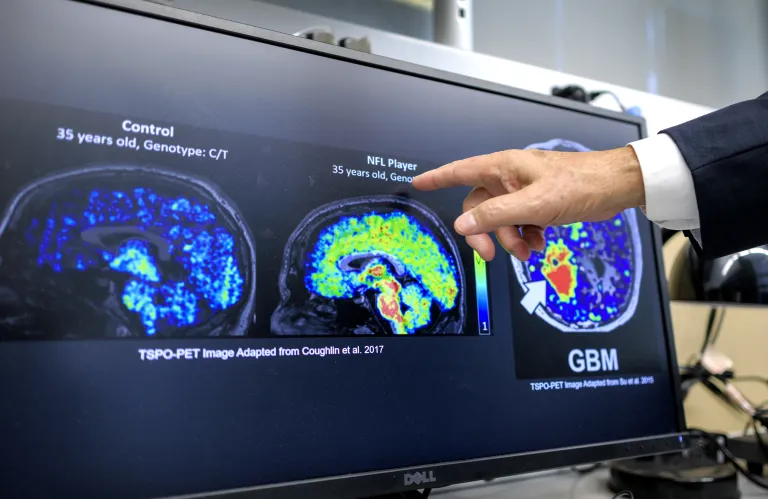
New research suggests an unexpected link between cancer and Alzheimer's disease. According to the journal Nature, the protein cystatin C, produced by cancer cells, appears to break down the amyloid plaques characteristic of Alzheimer's disease. In experiments with mice, cystatin C penetrated the brain and, by binding to plaque molecules, attracted immune cells that subsequently degraded them. This discovery could explain why individuals with a history of cancer have a lower risk of developing Alzheimer's. The protein seems to activate a defense mechanism of the body, which targets and destroys the toxic plaques in the brain. However, researchers emphasize that these findings are preliminary and require further investigation to confirm in humans. If the observations are validated, they could pave the way for new therapeutic approaches to treat Alzheimer's disease, leveraging cystatin C's ability to break down plaques. Cancer researcher Jeanne Mandelblatt stated that these findings suggest a potential new direction for the development of drugs and therapies for Alzheimer's, but cautioned that further study is needed.
Similar Articles

Ο καρκίνος μπορεί να προστατεύει από τη νόσο Αλτσχάιμερ
Jan 27

Ο καρκίνος μπορεί να προστατεύει από τη νόσο Αλτσχάιμερ – Τι δείχνει μια νέα επιστημονική μελέτη
Jan 27
Ο καρκίνος μπορεί να προστατεύει από τη νόσο Αλτσχάιμερ
Jan 27
You Might Also Like
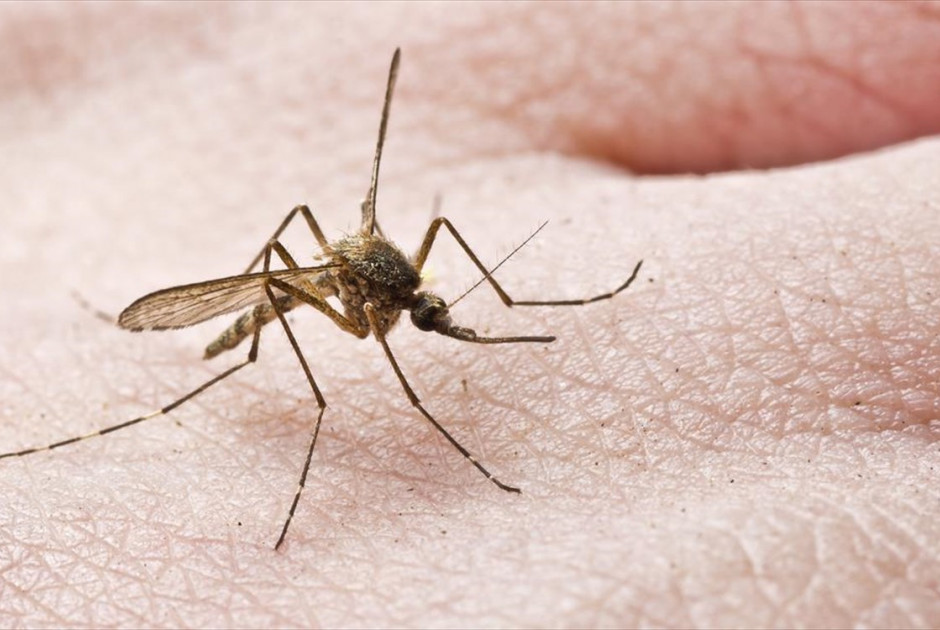
Oι άνθρωποι γίνονται στόχος των κουνουπιών λόγω απώλειας της βιοποικιλότητας
Jan 16
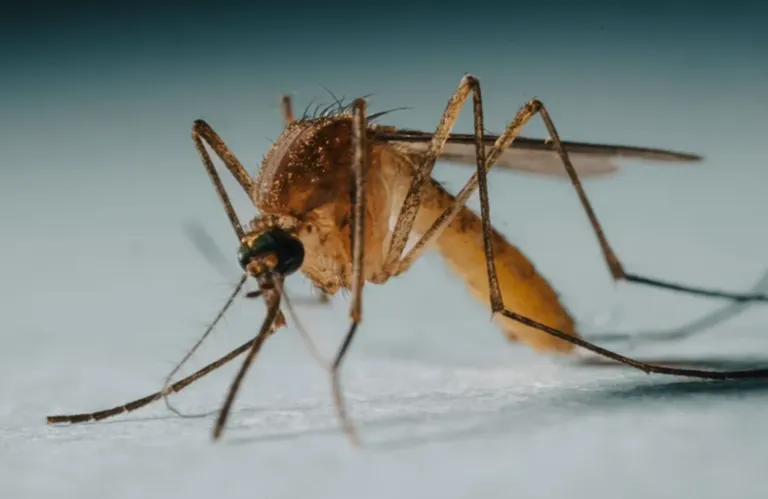
Oι άνθρωποι γίνονται στόχος των κουνουπιών εξαιτίας απώλειας της βιοποικιλότητας
Jan 16
Ο καρκίνος μπορεί να προστατεύει από τη νόσο Αλτσχάιμερ
Jan 27
Ο καρκίνος μπορεί να προστατεύει από τη νόσο Αλτσχάιμερ – Τι δείχνει μια νέα επιστημονική μελέτη
Jan 27