Βρισκόμαστε σε μια περίοδο που η πολιτική χάνει τις σταθερές αναφοράς της. Η αποδυνάμωση των ιδεολογικών ταυτίσεων, η εξατομίκευση της πολιτικής συμπεριφοράς και η κυριαρχία της επικοινωνιακής λογικής διαμορφώνουν ένα νέο τοπίο, στο οποίο ο θυμός, η απογοήτευση και τα κοινωνικά δίκτυα παίζουν καθοριστικό ρόλο. Οι αποτυχίες των θεσμών της φιλελεύθερης δημοκρατίας και της κρατικής μηχανής, η φθορά των παραδοσιακών κομμάτων και η αίσθηση αποκλεισμού μεγάλων τμημάτων της κοινωνίας οδηγούν σε φαινόμενα που δεν είχαμε συνηθίσει στην κυπριακή κοινωνία με χαρακτηριστικότερο ίσως πλέον όχι την αποστοίχιση (π.χ., αποχή) την μερική επαναστοίχιση προς νέους σχηματισμούς ποικίλων χαρακτηριστικών. Σε αυτό το ρευστό περιβάλλον, ο κομματικός χάρτης αλλάζει και τα όρια κάθε εκλογικής πρόβλεψης γίνονται ολοένα πιο στενά.
>Το πλαίσιο της πολιτικής και των επερχόμενων εκλογών: ιδεολογία, θέσεις και επικοινωνιακή πολιτική
Είμαστε εδώ και χρόνια στην εποχή της αποϊδεολογικοποίησης της κομματικής και εκλογικής πολιτικής. Από το 1990 και μετά. Όχι του τέλους των ιδεολογιών όπως λεν πολλοί, αυτό δεν το συμμερίζομαι. Είμαστε, όμως, στην εποχή που τα κόμματα αφενός αποϊδεολογικοποίησαν την πολιτική τους έκκληση και ο κόσμος δεν σκέφτεται πλέον με όρους ιδεολογικής πλαισίωσης, αφετέρου. Οι κομματικές ταυτίσεις έχουν εξίσου υποχωρήσει σημαντικά, κάτι που φαίνεται στις χαμηλές κομματικές συσπειρώσεις, ακόμα και επί των συνεχώς μειούμενων εκλογικών ποσοστών των παραδοσιακών κομμάτων. Εξακολουθούν, βέβαια, να εξηγούν την εκλογική συμπεριφορά μερίδας των ψηφοφόρων, αλλά αριθμητικά μειούμενης συνεχώς. Τα πρόσωπα και τα ξεχωριστά θέματα (τα λεγόμενα issues) διαδραματίζουν πολύ πιο σημαντικό ρόλο πλέον. Όπως και τα συναισθήματα. Θυμός, οργή, αγανάκτηση.
Όλα τα προαναφερθέντα επαναφέρουν τα άτομα σε πρωταγωνιστική θέση και καθιστούν την επικοινωνιακή πολιτική ως σημαντικές μεταβλητές επεξήγησης και κατανόησης της εκλογικής συμπεριφοράς. Ζούμε στην εποχή της εξ’ ατομίκευσης της πολιτικής συμπεριφοράς. Κάτι σαν déjà vu, αν μου επιτρέπεται ο όρος, αφού η κομματική πολιτική ξεκίνησε ως ατομική υπόθεση πριν γίνει συλλογική. Από αυτά εύκολα μπορούμε να καταλάβουμε πως οδηγούμαστε στην επικράτηση επικοινωνιακών λογικών, ιδιαίτερα αν συνυπολογίσουμε ότι και η όλη λογική των σύγχρονων ΜΜΕ διέπεται από την λογική της ταχύτητας, της γρήγορης εναλλαγής, της άμεσης κατανάλωσης και των πιο επιφανειακών προσεγγίσεων. Σε όλο αυτό το σκηνικό μπορούμε επίσης να κατανοήσουμε και το καινούριο φαινόμενο της μεταγραφής πολιτικών προσώπων από ένα κόμμα σε άλλο. Χαλαρές ταυτίσεις, προσωπικές ατζέντες, λιγότερη ιδεολογική πολιτική από τους κομματικούς φορείς, πολύ πιο εύκολες οι μετακινήσεις όχι μόνο των ψηφοφόρων, αλλά και των πολιτικών προσώπων.
Όλο αυτό ενισχύεται από την εδραίωση των μέσων κοινωνικής δικτύωσης (ΜΚΔ), τα οποία έχουν συνδράμει με την όλη φιλοσοφία τους στο αρνητικό φαινόμενο της υποχώρησης της απλής λογικής και του πολιτικού ορθολογισμού στην όλη πολιτική σκέψη και διαδικασία. Τα ΜΚΔ είναι δομημένα και σχεδιασμένα με μια λογική περισσότερης εικόνας και επικοινωνίας, που εγγενώς δεν είναι φιλικό προς την ορθολογική και πιο σύνθετη σκέψη. Λειτουργούν ως ένας μεγάλος καφενές στον οποίο διακινούνται όλων των ειδών απόψεις και προσεγγίσεις, χωρίς καμιά προσπάθεια ή ηθική υποχρέωση τεκμηρίωσης των γραφόμενων. Συνεπώς και παρά τα θετικά που επιφέρουν, τα ΜΚΔ αποτελούν ταυτόχρονα και μια μεταβλητή που μεγιστοποιεί ανορθολογικά αφηγήματα και προσεγγίσεις, και συνδράμει τον καταγγελτικό και πολωτικό πολιτικό λόγο.
Το νέο αυτό περιβάλλον έχει δώσει ώθηση σε δυνάμεις στις οποίες έχουν δοθεί πολλοί και διαφορετικοί χαρακτηρισμοί, κάτι που γίνεται και στην Κύπρο. Συνήθως, βέβαια, κυριαρχεί ο λανθασμένος όρος αντισυστημικές δυνάμεις. Οι όροι έχουν μεγάλη σημασία και πρέπει να προσέχουμε πως τους χρησιμοποιούμε. Αντισυστημισμός, ριζοσπαστισμός, λαϊκισμός είναι αρκετά αμφιλεγόμενοι όροι στην πολιτική επιστήμη. Για παράδειγμα, λέμε αντισυστημικός και τσουβαλιάζουμε πολλούς κάτω από αυτή την ταμπέλα, αν και οι πλείστοι είναι απλά αντικομματικοί σχηματισμοί, ή απλά λαϊκίστικοι. Ας το παρακάμψω, όμως, αυτό για λόγους οικονομίας χώρου και ας το σχολιάσω πιο γενικά, διότι όπως και αν τις ονομάσουμε τις δυνάμεις αυτές θα πρέπει σίγουρα να κατανοήσουμε γιατί συμβαίνει αυτό το φαινόμενο.
>Γιατί ο κόσμος ρέπει προς αντισυστημικές και ριζοσπαστικές δυνάμεις
Ο βασικός λόγος ενίσχυσης αυτών των δυνάμεων είναι οι αποτυχίες των θεσμών και διαδικασιών των φιλελεύθερων δημοκρατιών σε εθνικό και υπερεθνικό επίπεδο (π.χ., η ΕΕ). Κόμματα, κοινοβούλια και κυρίως το εκτελεστικό ως θεσμός, απέτυχαν να δώσουν λύσεις σε μεγάλα προβλήματα, απέτυχαν να κινητοποιήσουν τους πολίτες, απέτυχαν να δείξουν στην πράξη πως η συμμετοχή τους στις εκλογές ή η στήριξη τους στην ΕΕ έχει σημασία και είναι σημαντική, αλλά «πέτυχαν» να δημιουργήσουν ένα κόσμο με αυξημένες ανισότητες και προνόμια για ολοένα και λιγότερους. Όλοι αυτοί οι θεσμοί κυριαρχήθηκαν στις προηγούμενες δεκαετίες τόσο σε εθνικό όσο και σε ευρωπαϊκό επίπεδο από τις λεγόμενες θεωρούμενες κεντρώες δυνάμεις, είτε της κεντροδεξιάς, είτε της κεντροαριστεράς, και οι πολιτικές διαδικασίες ηγεμονεύθηκαν από το λεγόμενο θεώρημα ΤΙΝΑ, της μη ύπαρξης εναλλακτικής (There is no Alternative). Η σύγκλιση προς το λεγόμενο κέντρο, που ήταν ουσιαστικά μια ιδεολογική σύγκλιση προς τα δεξιά, υπήρξε το βασικό πολιτικό πρόταγμα όλων αυτών των δυνάμεων και ενδύθηκε τον μανδύα της περισσότερης Ευρώπης, του νεοφιλελευθερισμού και πρόσφατα του αυταρχισμού. Αυτό που παρήγαγε, όμως, ήταν αδιέξοδα και αναποτελεσματικότητα, κάτι που εξέθεσε ανεπανόρθωτα τις δυνάμεις αυτές.
Όλα τα παραπάνω μετέτρεψαν τις περισσότερες ευρωπαϊκές κοινωνίες (όπως και την κυπριακή) σε κοινωνίες του 50%-50%. Δηλαδή, κοινωνίες όπου οι μισοί, τουλάχιστον, δεν κατανοούν πλέον την πολιτική ως διαδικασία, ως ουσία και ως τρόπο πραγμάτωσης, όπως γινόταν στο παρελθόν, και δεν νιώθουν να τους συνδέει τίποτε με αυτήν. Στα μάτια τους είναι ένας κόσμος ξεχωριστός, κόσμος μιας μικρής ελίτ και των οπαδών/ακολούθων τους που συνδέονται μεταξύ τους με υλικά συμφέροντα και από τον οποίο κόσμο οι ίδιοι είναι αποκλεισμένοι. Η όποια αντιπαράθεση είναι συμβολική και συνήθως για θέματα ιστορικά ή επουσιώδη. Το τελικό αποτέλεσμα είναι η συνολική και οριζόντια απαξίωση των παραδοσιακών δυνάμεων και η σταδιακή άνοδος δυνάμεων που είτε είναι, είτε πολύ συχνότερα απλά θεωρούνται αντισυστημικές, λαϊκιστικές και ριζοσπαστικές. Η διακυβέρνηση από δυνάμεις της αριστεράς, εκεί και όπου συνέβηκε, δεν έφερε τα αποτελέσματα που περίμεναν πολλοί, ούτε οι ίδιοι οι πρωταγωνιστές της, και αυτό αποτελεί ακόμα ένα ποτάμι που εκβάλλει στην θάλασσα της συνολικής απογοήτευσης και της ενίσχυσης των νεοφανών σχηματισμών και αντιλήψεων.
Νέος κομματικός χάρτης αναμένεται να “αναδυθεί” από τις κάλπες
Το πρώτο που πρέπει να καταγράψουμε είναι ότι πιθανότατα θα έχουμε ένα νέο κομματικό χάρτη μετά τις εκλογές. Κάτι το οποίο καταγράφουμε εδώ καιρό ορισμένοι από εμάς παρατηρώντας, όχι μόνο τις ποσοτικές μετατοπίσεις και τις αλλαγές ποσοστών που πλέον είναι εμφανέστατες στον καθένα, αλλά κυρίως τις ποιοτικές και υποβόσκουσες αλλαγές που συντελούνταν εδώ και χρόνια στην κυπριακή κοινωνία και οι οποίες πλέον εξωτερικεύονται στην πολιτική σφαίρα. Ένδειξη, συνήθως και όχι πάντα, της προτεραιότητας των κοινωνικών διεργασιών έναντι των πολιτικών/ιδεολογικών τόσο χρονικά όσο -και κυρίως- από πλευράς σημασίας. Ουσιαστικά, εδώ και χρόνια έχουμε ένα κομματικό σκηνικό εν κινήσει, ένα κομματικό σκηνικό που αλλάζει σταδιακά μεν στη βάση των κοινωνικών αλλαγών, αλλά σταθερά και συνεχόμενα δε. Ενδεχομένως γι’ αυτό και δεν ήταν πολύ ορατό σε αντίθεση με τις απότομες αλλαγές που έγιναν για παράδειγμα στην Ελλάδα και οι οποίες ήταν, εκ της ταχύτητας με την οποία πραγματοποιήθηκαν, ορατές σε όλους.
Τα βασικά χαρακτηριστικά αυτού του νέου κομματικού σκηνικού θα μπορούσαν να συνοψιστούν στα εξής:
*ΠΡΩΤΟ, ότι «δομικοποιείται» αν μου επιτρέπεται ο όρος, η ρευστότητα. Η εποχή των σταθερών παραμέτρων έχει περάσει. Πλέον, ο κανόνας φαίνεται να είναι η αστάθεια και τακτική αλλαγή. Μπορεί όχι σε μεγάλη έκταση κάθε φορά, αλλά η όλη κοινωνική, πολιτική, οικονομική και διεθνής περιρρέουσα κατάσταση δεν ευνοεί εκ νέου καταστάλαξη σε σταθερά κομματικά συστήματα. Τουλάχιστον, σε βραχυπρόθεσμο ορίζοντα.
* ΔΕΥΤΕΡΟ, ο ανασχηματισμός του κομματικού χάρτη όπως εκφράζεται με τη μείωση της εκλογικής δύναμης όλων των παραδοσιακών πολιτικών δυνάμεων και την αύξηση της αντίστοιχης εκλογικής επιρροής νεότευκτων σχηματισμών. Το τελευταίο, απορρέει από την απογοήτευση (δικαιολογημένη ή μη δεν έχει σημασία εδώ) του εκλογικού σώματος από όλα τις παραδοσιακά κόμματα. Οι ψηφοφόροι επιλέγουν πλέον νέους σχηματισμούς με ένα απλουστευτικό κριτήριο: Δεν έχουν δοκιμαστεί. Το περιεχόμενο των προτάσεων (εκεί και όπου υπάρχουν, βέβαια, διότι πολλές φορές δεν υπάρχουν) αρκετές φορές είναι δευτερεύων.
*ΤΡΙΤΟ, η εκλογική επιρροή των βασικών πολιτικών κομμάτων δεν θα έχει πλέον τις ποσοστιαίες αποστάσεις του παρελθόντος, όπου τα δύο μεγάλα κόμματα τα χώριζε μεγάλη απόσταση από τα αμέσως επόμενα. Πλέον έχουμε ένα κατακερματισμένο κομματικό σκηνικό και ταυτόχρονα μικρότερες αποστάσεις μεταξύ των βασικών κομμάτων. Οδηγούμαστε σε μια «Ολλανδοποίηση» της πολιτικής σκηνής, αν μου επιτρέπεται ο όρος. Κάτι που θα έχει σημαντικές επιπτώσεις τόσο στις συνεργασίες και συνεννοήσεις εντός Βουλής, αλλά και στις προεδρικές.
*ΤΕΤΑΡΤΟ, θα έχουμε μια σημαντικά ενισχυμένη ακροδεξιά, η οποία, όμως, και αυτό είναι κάτι που δεν κατανοούν αρκετοί, είναι μεταλλαγμένη και διαφορετική σε σχέση με το παρελθόν της. Η κατανόηση της με τα εννοιολογικά και πολιτικά εργαλεία του παρελθόντος μπορεί ακαδημαϊκά να έχει εγκυρότητα σε αρκετά σημεία, αλλά στο επίπεδο της κοινωνίας δεν συναντά κατανόηση. Εξού και μεγαλώνει εκλογικά. Για να το πω απλά. Με την απόσταση που έχουμε διανύσει από το 1974, η ταύτιση της σημερινής ακροδεξιάς με την ΕΟΚΑ Β, ενώ είναι έγκυρη σε αρκετές πολιτικοιδεολογικές διαστάσεις δεν γίνεται αντιληπτή και δεχτή από τους πολίτες όπως προηγουμένως, οι οποίοι απαντούν αφοπλιστικά: τι σχέση έχουν αυτοί που ήταν αγέννητοι τότε με το σήμερα; Προσωπικά, δεν το συμμερίζομαι επί της ουσίας, αλλά αυτό συμβαίνει.
*ΠΕΜΠΤΟ και πολύ σημαντικό. Έχουμε ενδείξεις ότι περνούμε πλέον από το στάδιο της αποστοίχισης (dealignment) από το κομματικό σύστημα, το στάδιο δηλαδή της αποχής και της εξόδου από την πολιτική διαδικασία όπως συνέβαινε για 20 περίπου χρόνια, στο στάδιο της μερικής τουλάχιστον επαναστοίχισης (realignment). Τι εννοώ; Ότι μερίδα των ψηφοφόρων (όχι όλοι, αλλά αρκετοί) επιλέγουν κάτι άλλο πλέον και δεν μένουν απλά στην αποχή. Αυτή όμως, η επαναστοίχιση δεν φαίνεται να γίνεται με πολιτικούς όρους, αλλά με όρους συναισθημάτων και όρους τιμωρίας και μόνο. Και αυτό είναι σε μεγάλο βαθμό απόρροια του περιβάλλοντος που οικοδομήθηκε μετά το τέλος του ψυχρού πολέμου στο οποίο η ιδεολογική πρόσληψη της πολιτικής υποχώρησε έναντι άλλων πλαισιώσεων.
Βουλευτικές ως πρόκριμα των προεδρικών του 2028;
Η απλή και σύντομη απάντηση είναι ότι θα επηρεάσουν. Αλλά με μια σημαντική υποσημείωση που ενδεχομένως ανατρέπει την εικόνα που είχαμε μέχρι και πρόσφατα. Πάντα οι βουλευτικές λειτουργούσαν ως ένα πρόκριμα των επερχόμενων συμμαχιών για τις προεδρικές που έπονται. Και σε επίπεδο κομματικών σχηματισμών σίγουρα θα αποτελέσουν μεταβλητή συνυπολογισμού και αυτή τη φορά αφού καταγράφουν το ισοζύγιο ισχύος. Αυτό που κατά τη γνώμη μου αλλάζει όμως πλέον, ή καλύτερα άλλαξε ήδη, είναι η βαρύτητα με την οποία θα πρέπει να υπολογιστούν. Αν λάβουμε υπόψη την μεγάλη ρευστότητα που επικρατεί πλέον στο πεδίο της εκλογικής πολιτικής, τότε οι όποιοι υπολογισμοί και συσχετισμοί της 25ης Μαΐου 2026 δεν μεταφέρονται αυτόματα στην κάλπη του Φεβρουαρίου του 2028. Ποτέ δεν μεταφέρονταν αυτόματα βέβαια, αλλά πολύ περισσότερο στη σημερινή συγκυρία. Αν η απόσταση του ενάμιση χρόνου ήταν πάντα μεγάλη και καθιστούσε τις όποιες προβλέψεις και συμμαχίες κομμάτων δύσκολες, με τα σημερινά ρευστά δεδομένα, η απόσταση του ενάμιση χρόνου γίνεται απόσταση που μετριέται σε έτη φωτός.
Αν ένα κόμμα πάρει στην κάλπη των βουλευτικών του ερχόμενου Μαΐου ένα ποσοστό γύρω στο 20% στις σημερινές συνθήκες, αυτό το κόμμα τον Φεβράρη του 2028 μπορεί να είναι στο 15% και από αυτό ένα μέρος μόνο να στηρίξει την επιλογή του για τις προεδρικές. Ένα νεοσύστατο κόμμα σήμερα που παίρνει στις βουλευτικές ένα 8%, το οποίο είναι μάλιστα και πολύ ετερογενές στη σύνθεση του, μπορεί να μην υπάρχει κοινωνικά (όχι στην Βουλή διότι εκεί θα έχει τις έδρες) και άρα να μην ασκήσει ιδιαίτερη επιρροή με τις αποφάσεις του. Και ανάποδα. Αν το κόμμα του κ. Μιχαηλίδη πάρει ένα σχετικά μικρό ποσοστό, αλλά ο ίδιος συνεχίσει να έχει μεγάλη απήχηση σε καθαρά προσωπικό επίπεδο, ποιος λέει ότι στις προεδρικές που είναι πολύ προσωπικού χαρακτήρα εκλογές δεν θα πάει ακόμα υψηλότερα;
Όλα αυτά τα σημειώνω όχι για να πω ότι δεν έχουν σημασία οι βουλευτικές. Τα σημειώνω για να πω ότι θα έχουν ίσως μικρότερη βαρύτητα σε σχέση με το παρελθόν και όποιος κάνει υπολογισμούς μόνο με βάση τους συσχετισμούς των βουλευτικών πιθανότατα θα πέσει έξω.
*Αναπληρωτής Καθηγητής Συγκριτική Πολιτικής στο Πανεπιστήμιο Λευκωσίας.
New Party Landscape Expected from Elections: The Limits of Electoral Prediction
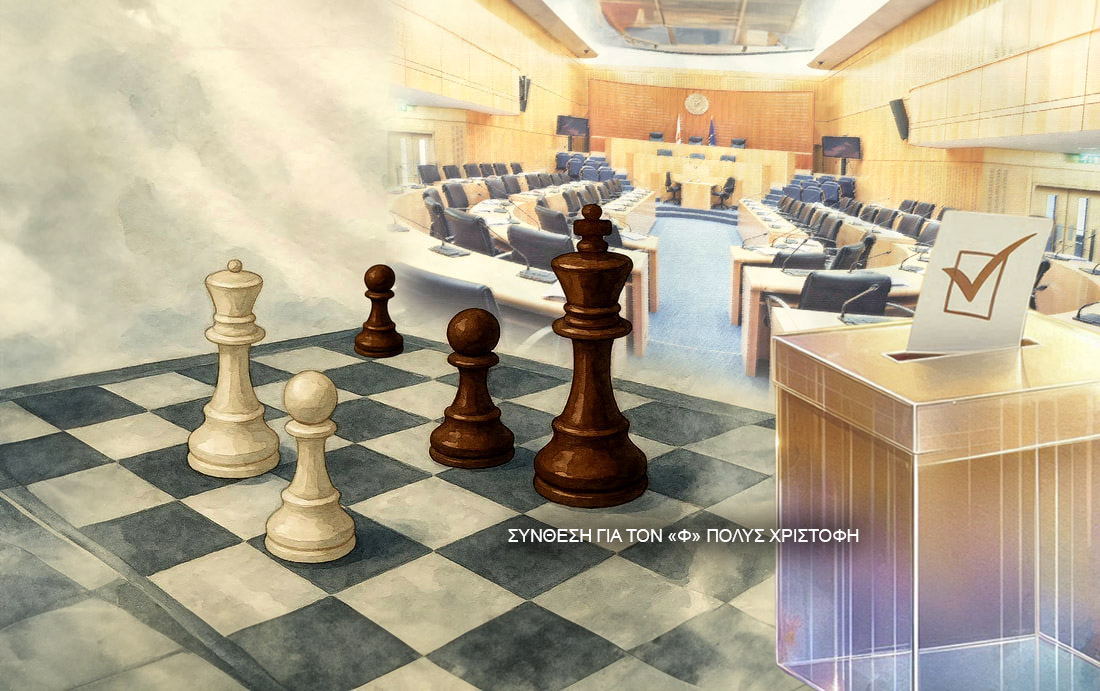
Politics is currently in a period of instability, where traditional ideological affiliations have weakened and communication logic prevails. Disappointment with institutions, the decay of parties, and a sense of exclusion are leading to new political behaviors, such as voters moving towards new formations. This environment makes electoral predictions particularly difficult. The de-ideologization of politics, which began in the 1990s, does not mean the end of ideologies, but a change in the way citizens perceive politics. Party affiliations have declined, while individuals and specific issues are playing a more important role. Emotions, such as anger and frustration, also influence voting behavior. The individualization of politics and the dominance of communication have strengthened communication logic in elections. Social media contributes to this phenomenon by promoting immediate consumption and superficial approaches. The transfer of political figures from party to party is another sign of the looseness of party affiliations. The establishment of social media has led to a decline in political rationality and logical thinking. The lack of critical thinking and the spread of fake news pose significant challenges to democracy. The need for information and critical evaluation of information is more urgent than ever. Politics is becoming increasingly a personal matter, with an emphasis on image and emotions.
You Might Also Like

Έλενα Περικλέους: «Είναι μια θέση ευθύνης με ηθικό βάρος»
Dec 28
Κάποτε έδιναν προοπτική και ελπίδα, σήμερα δίνουν μαύρο και τοξικότητα
Dec 28

Πως θα μειωθούν οι τιμές των αεροπορικών εισιτηρίων
Dec 29
Onassis Ready, ένα εργοστάσιο ονείρων και ιδεών για τους καλλιτέχνες των νέων μέσων στην Αθήνα
Jan 5
Τζόζη Χριστοδούλου: Οι διακρίσεις πάντα μου ξυπνούσαν το ένστικτο να αντιδράσω
Jan 8