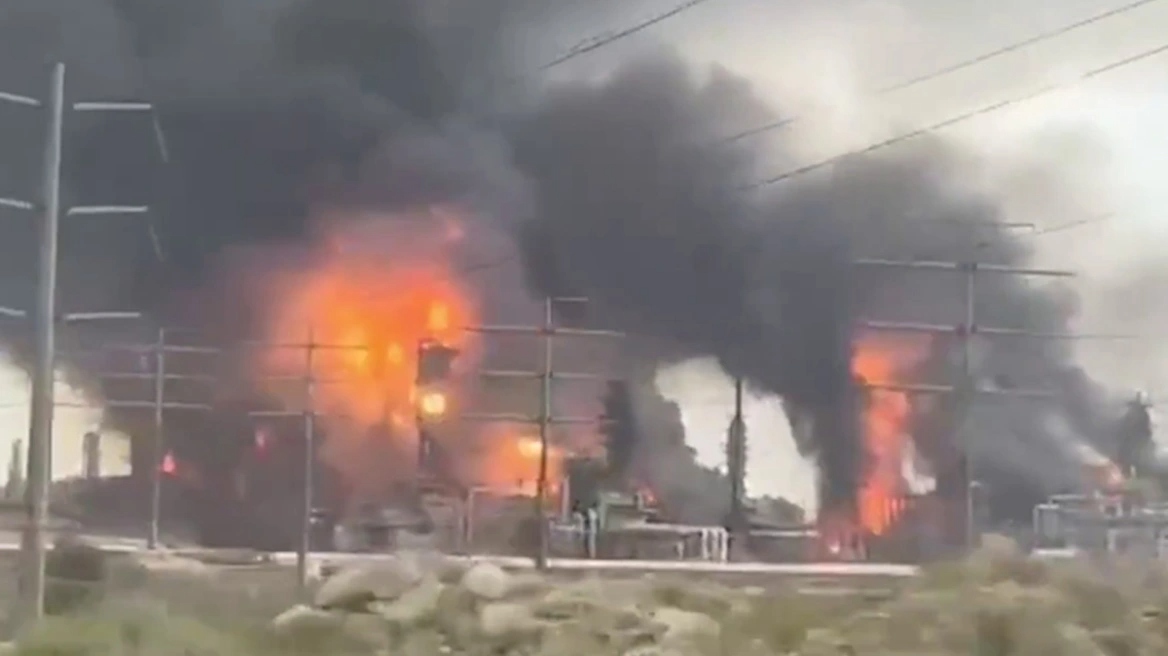
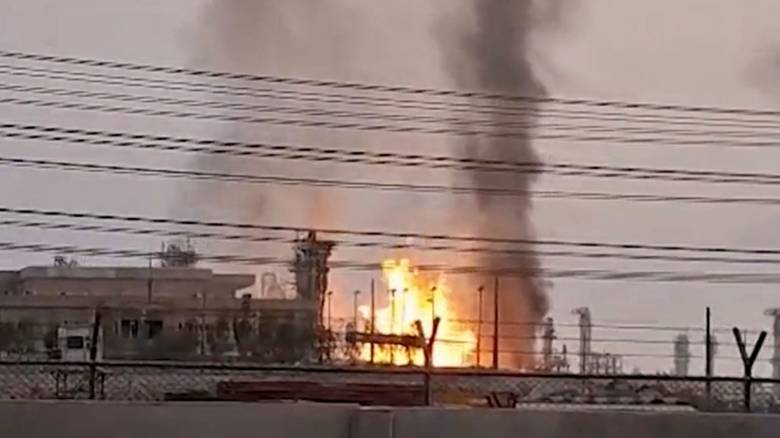
Το Ιράν επιτέθηκε τις προηγούμενες μέρες στη βιομηχανική πόλη Ρας Λάφαν του Κατάρ —τον μεγαλύτερο κόμβο εξαγωγής υγροποιημένου φυσικού αερίου (LNG) στον κόσμο— με καταιγισμό πυραύλων, που προκάλεσαν πυρκαγιές σε πολλές εγκαταστάσεις, με την QatarEnergy να κάνει λόγο για “εκτεταμένες ζημιές” σε ένα συγκρότημα που είχε ήδη πληγεί σοβαρά από προηγούμενες επιθέσεις με drones.
Η επίθεση έλαβε χώρα λίγες ώρες αφότου το Ισραήλ χτύπησε το κοίτασμα φυσικού αερίου South Pars του Ιράν — η πρώτη φορά που το Ισραήλ στόχευσε ιρανική υποδομή φυσικού αερίου. Το ενεργειακό status στον κόσμο έχει αλλάξει.
Ενώ όλοι παρακολουθούν τις τιμές του πετρελαίου, ο πιο σημαντικός —και μακροπρόθεσμος—αντίκτυπος αφορά την αγορά του LNG. Οι υποδομές φυσικού αερίου έχουν μετατραπεί σε όπλο, όπως και στη σύγκρουση Ρωσίας-Ουκρανίας. Ωστόσο, ο πλανήτης δεν έχει στρατηγικά αποθέματα, ούτε αποθέματα έκτακτης ανάγκης, ούτε γρήγορες λύσεις. Τα προβλήματα που θα προκύψουν τις επόμενες εβδομάδες και μήνες δεν θα μετρηθούν σε βαρέλια, αλλά σε θέρμανση, ηλεκτρική ενέργεια και λιπάσματα, ενώ ο αντίκτυπος θα γίνει αισθητός σε παγκόσμιο επίπεδο.
Πριν την έναρξη του πολέμου στις 28 Φεβρουαρίου, οι παγκόσμιες τιμές του φυσικού αερίου ήταν σχετικά σταθερές. Όταν η QatarEnergy σταμάτησε την παραγωγή στις 2 Μαρτίου μετά τις πρώτες επιθέσεις με drones, οι τιμές σχεδόν διπλασιάστηκαν μέσα σε μία εβδομάδα. Από τότε, οι τιμές spot του LNG στην Ασία έχουν εκτοξευθεί στα επίπεδα των 20 δολαρίων ανά MMBtu, σύμφωνα με τον διευθυντή έρευνας της Wood Mackenzie, Miaoru Huang. Μετά την πυραυλική επίθεση στο Ρας Λάφαν, οι τιμές του φυσικού αερίου στην Ευρώπη σημείωσαν ράλι 24% και στο Ηνωμένο Βασίλειο 23% μέσα σε λίγες ώρες.
Η διακοπή της εφοδιαστικής αλυσίδας είχε ως αποτέλεσμα την απώλεια περίπου 5,8 εκατ. τόνων LNG από τις παγκόσμιες αγορές τον Μάρτιο — περίπου το 14% της ποσότητας που αναμενόταν να παραλάβουν οι πελάτες σε όλο τον κόσμο αυτό τον μήνα. Στο μεταξύ, το Στενό του Ορμούζ, η θαλάσσια οδός μέσω της οποίας διέρχεται σημαντικό μέρος της παγκόσμιας ενέργειας, έχει επί της ουσίας κλείσει, με δεκάδες δεξαμενόπλοια να βρίσκονται πλέον σε αδράνεια ανοιχτά των ακτών, σύμφωνα με την Kpler, που παρακολουθεί τις κινήσεις των πλοίων σε πραγματικό χρόνο.
“Δυστυχώς, δεν υπάρχει εφεδρική χωρητικότητα στην αγορά LNG, οπότε η διαταραχή στην αγορά θα είναι άμεση και τεράστια”, σχολίασε η Florence Yu, αναλύτρια της Vortexa. Η Yu σημείωσε ότι το 20% του παγκόσμιου LNG και το 90% των εξαγωγών LNG από το Κατάρ διέρχονται από το Στενό του Ορμούζ — Στην καρδιά της σύγκρουσης. Από το Κατάρ προέρχεται το 20% της παγκόσμιας προσφοράς LNG.
Δεν υπάρχουν στρατηγικά αποθέματα φυσικού αερίου
Ο κόσμος του πετρελαίου περιλαμβάνει τον Διεθνή Οργανισμό Ενέργειας και εκατοντάδες εκατομμύρια βαρέλια στρατηγικών αποθεμάτων που οι κυβερνήσεις μπορούν να διαθέσουν σε περίπτωση έκτακτης ανάγκης. Ο κόσμος του LNG δεν διαθέτει κάτι αντίστοιχο. Η διεθνής κοινότητα αφιέρωσε δεκαετίες στην οικοδόμηση ενός δικτύου ασφαλείας για τις πετρελαϊκές κρίσεις. Ποτέ δεν δημιούργησε κάτι αντίστοιχο για το φυσικό αέριο. Αυτή η παράλειψη μόλις έγινε πρόβλημα όλων.
Ακόμα κι αν ο πόλεμος σταματούσε αύριο, το Ρας Λάφαν δεν μπορεί απλά να τεθεί ξανά σε λειτουργία. Η εγκατάσταση απαιτεί μια προσεκτική διαδικασία επανεκκίνησης που διαρκεί εβδομάδες, προτού μπορέσει να παράγει και να αποστείλει έστω και ένα φορτίο. Αλλά αυτό είναι το μικρότερο πρόβλημα. Οι ζημιές από τις επαναλαμβανόμενες πυραυλικές επιθέσεις είναι τόσο σοβαρές, που η πλήρης αποκατάστασή τους εκτιμάται ότι θα χρειαστεί έως και πέντε χρόνια — και κανένα συνεργείο επισκευών δεν μπορεί να μπει μέσα, μέχρι να τελειώσει η σύγκρουση.
Ο Υπουργός Ενέργειας του Κατάρ επιβεβαίωσε ότι οι διακοπές στις εξαγωγές LNG του Κατάρ ίσως διαρκέσουν πολύ περισσότερο από ό,τι πιστευόταν αρχικά, και ότι απαιτείται πλήρης παύση των εχθροπραξιών προτού μπορέσουν να ξεκινήσουν οι εργασίες επανεκκίνησης. Η παραγωγή είναι ένα θέμα. Η μεταφορά του αερίου είναι ένα άλλο. Ο Άλι Τζαμπάρ, Αμερικανός πολίτης ιρακινής καταγωγής που εργάζεται ως ειδικός διαχείρισης κρίσεων, μου είπε ότι τα έξοδα μεταφοράς και τα ασφάλιστρα επηρεάζουν τις αποφάσεις που λαμβάνονται.
“Η ναύλωση ενός πλοίου για τη μεταφορά LNG μπορεί να είναι πολύ δαπανηρή — μερικές φορές γύρω στα 400.000 δολάρια την ημέρα”, εξηγεί. “Επιπλέον, τα ασφάλιστρα έχουν αυξηθεί σημαντικά και πολλές εταιρείες διστάζουν να αναλάβουν το ρίσκο”.
Το κενό δεν μπορεί να αναπληρωθεί με την αύξηση της παραγωγής από άλλες χώρες. Οι Ηνωμένες Πολιτείες και η Αυστραλία —οι δύο πιο προφανείς εναλλακτικές λύσεις— παράγουν ήδη όσο LNG μπορούν να διαχειριστούν οι εγκαταστάσεις τους. Δεν υπάρχει διαθέσιμη παραγωγική ικανότητα που να παραμένει αχρησιμοποίητη, έτοιμη να τεθεί σε λειτουργία. Η Νιγηρία, η Αλγερία και το Τρινιντάντ έχουν τους δικους τους περιορισμούς στην προσφορά. Αν κάνετε τους ρεαλιστικούς υπολογισμούς για το τι μπορεί να παράγει ο υπόλοιπος κόσμος, δεν καλύπτονται ούτε οι 2 εκατ. τόνοι από τους 5,8 εκατ. τόνους που έχουν χαθεί από την αγορά μόνο τον Μάρτιο.
Οι χώρες που αντιμετωπίζουν το πιο έντονο και άμεσο πρόβλημα δεν είναι η Ιαπωνία ή η Νότια Κορέα, όπως υποθέτουν οι περισσότεροι. Στην πραγματικότητα η πιο ευάλωτη είναι η Ταϊβάν, καθώς βασίστηκε στο Κατάρ και στα ΗΑΕ για το 35% των εισαγωγών της σε LNG το 2025. Η Ταϊβάν έκλεισε τον τελευταίο πυρηνικό σταθμό της στα μέσα του 2025 και απέσυρε αρκετές μονάδες άνθρακα, με αποτέλεσμα να μην έχει να απευθυνθεί σχεδόν πουθενά αλλού για την παραγωγή ηλεκτρικής ενέργειας. Η Ινδία είναι εξίσου εκτεθειμένη, εισάγοντας περίπου το 58% του φυσικού αερίου της από τη Μέση Ανατολή, σύμφωνα με την Wood Mackenzie. Η Σιγκαπούρη αντλεί το 27% του εφοδιασμού της από την ίδια περιοχή.
Υπάρχουν εναλλακτικοί προμηθευτές;
Ορισμένοι αναλυτές υποστήριξαν ότι η αγορά αντέδρασε υπερβολικά και ότι εναλλακτικοί προμηθευτές θα κάλυπταν τελικά το κενό. Αυτή η άποψη μπορεί να ήταν εύλογη πριν από μία εβδομάδα, αλλά είναι πολύ δύσκολο να υποστηριχθεί τώρα που το κοίτασμα φυσικού αερίου του Κατάρ έχει βομβαρδιστεί. Το Ρας Λάφαν δεν είναι αγωγός που μπορεί να αλλάξει διαδρομή. Δεν είναι δεξαμενόπλοιο που μπορεί να αλλάξει πορεία. Είναι μια πολύπλοκη βιομηχανική εγκατάσταση που έχει πληγεί δύο φορές σε τρεις εβδομάδες, με ζημιές που, σύμφωνα με μηχανικούς, θα χρειαστούν τρία έως πέντε χρόνια για να αποκατασταθούν πλήρως.
Το αισιόδοξο σενάριο απαιτεί πλήρη τερματισμό της σύγκρουσης, την αποκατάσταση της ασφαλούς διέλευσης μέσω του Ορμούζ και μια διαδικασία επανεκκίνησης δύο εβδομάδων — όλα αυτά χωρίς άλλη επίθεση. Η Goldman Sachs προειδοποιεί ότι οι τιμές θα μπορούσαν να υπερδιπλασιαστούν από τα σημερινά επίπεδα αν το Στενό παραμείνει κλειστό για ακόμη έναν μήνα. Η Ευρώπη επέζησε μιας παρόμοιας κρίσης το 2022 — αλλά επειδή είχε μήνες για να προετοιμαστεί.
Ο Tom Kloza, ανώτερος σύμβουλος ενέργειας στη Gulf Oil, έθεσε με σαφήνεια τα ευρύτερα διακυβεύματα στο Open Magazine: “Μπορείτε να φανταστείτε την αντίδραση του κόσμου αν το Ιράν στόχευε κάτι εκτός του Περσικού Κόλπου — ένα διυλιστήριο στο Ρότερνταμ ή μια εγκατάσταση κάπου στις Ηνωμένες Πολιτείες; Τότε όλα θα είναι αβέβαια και οι τιμές θα μπορούσαν να φτάσουν σε θηριώδη επίπεδα”.
Ο κόσμος έχει αφιερώσει 50 χρόνια στην ανάπτυξη ενός συστήματος για τη διαχείριση των κρίσεων εφοδιασμού με πετρέλαιο — στρατηγικά αποθέματα, εφεδρική παραγωγική ικανότητα και δυνατότητα ανακατεύθυνσης δεξαμενόπλοιων σε ελάχιστο χρόνο. Δεν δημιούργησε σχεδόν τίποτα αντίστοιχο για το LNG, καθώς αυτός ο τύπος υποδομής θεωρούνταν εκτός σφαίρας σύγκρουσης. Αυτή η παραδοχή καταρρίφθηκε σε αυτό τον πόλεμο.
Αυτό που είναι ήδη σαφές είναι ότι η κρίση θα επιταχύνει τις επενδύσεις σε LNG στις Ηνωμένες Πολιτείες, στην Αυστραλία και στον Καναδά — χώρες που διαθέτουν τους πόρους και τη σταθερότητα για να γίνουν αξιόπιστοι παγκόσμιοι προμηθευτές φυσικού αερίου. Η αναταραχή είναι επώδυνη. Η ανάπτυξη που θα προκαλέσει ενδέχεται τελικά να αναδιαμορφώσει το παγκόσμιο εμπόριο ενέργειας για δεκαετίες.
Middle East Crisis: Why LNG Poses a Greater Threat Than Oil
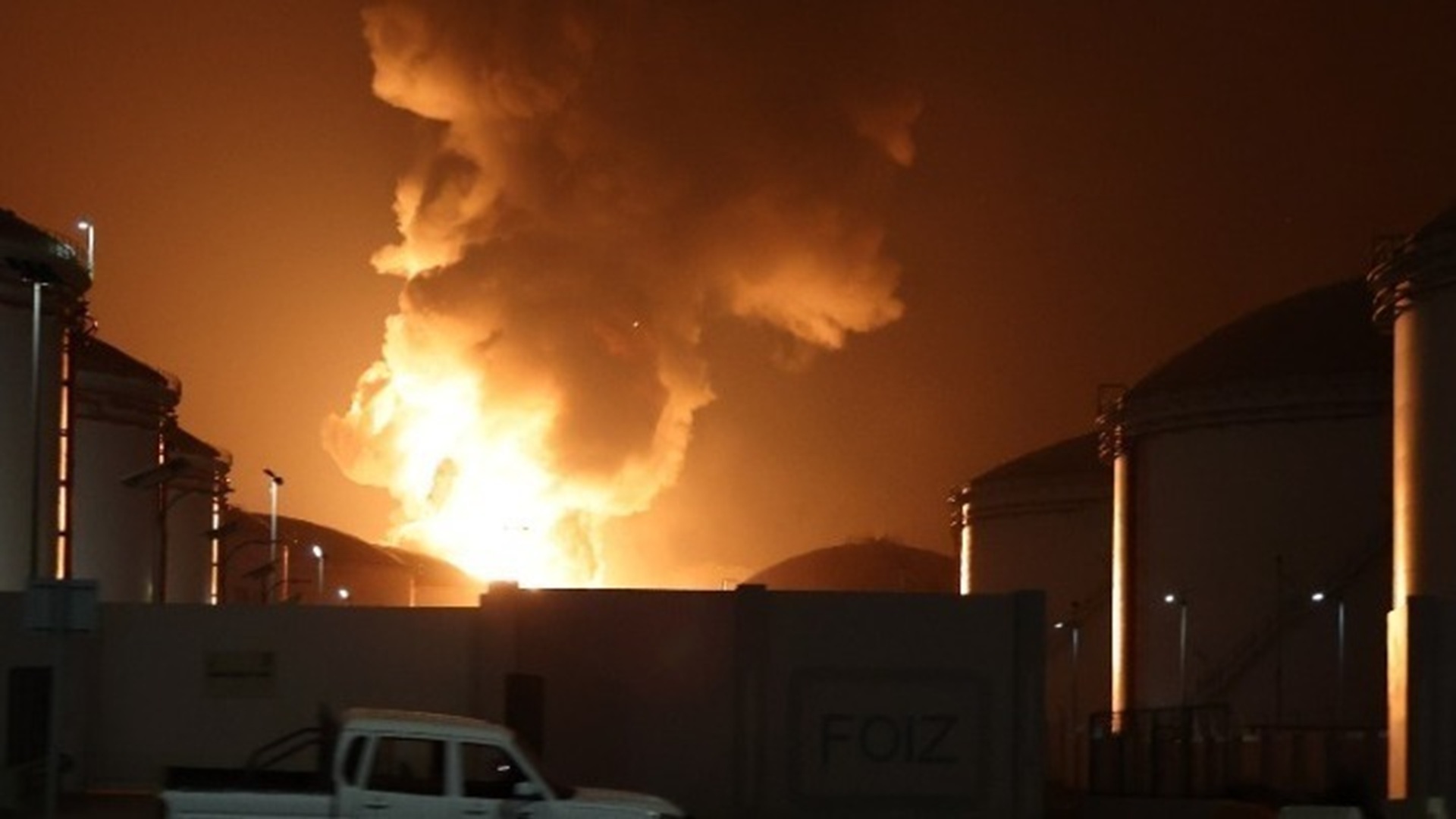
Iran's recent attack on Ras Laffan, Qatar – the world's largest liquefied natural gas (LNG) export hub – and the simultaneous Israeli strike on Iranian gas infrastructure, mark a shift in the energy landscape. While attention is focused on oil prices, the most significant impact concerns the LNG market. Gas infrastructure has been weaponized, as seen in the Russia-Ukraine conflict. However, unlike oil, there are no strategic LNG reserves, nor quick fixes to address supply chain disruptions. The disruption to the supply chain has already resulted in a loss of approximately 5.8 million tons of LNG from global markets in March. The Strait of Hormuz, through which a significant portion of global energy passes, has effectively closed, with dozens of tankers idling offshore. The lack of spare capacity in the LNG market means the disruption will be immediate and massive, impacting heating, electricity, and fertilizers worldwide. The situation highlights the need for investment in alternative energy sources and the development of strategic LNG reserves to address future crises.