Η σημερινή Ημέρα του Αγίου Βαλεντίνου έχει καθιερωθεί ως γιορτή του έρωτα, του ρομαντισμού και της αφοσίωσης. Ωστόσο, οι ρίζες αυτής της σύγχρονης γιορτής είναι στην πραγματικότητα σκοτεινές, αιματηρές και κάπως μπερδεμένες.
Παρότι η ακριβής προέλευση της γιορτής δεν έχει προσδιοριστεί με βεβαιότητα, ένα σημείο εκκίνησης είναι η αρχαία Ρώμη, αναφέρει το NPR. Εκεί, από τις 13 έως τις 15 Φεβρουαρίου, οι Ρωμαίοι γιόρταζαν τα Λουπερκάλια, μια εορτή που συνδύαζε τελετουργίες γονιμότητας και βίαια έθιμα. Κατά τη διάρκειά της, άνδρες θυσίαζαν μια κατσίκα και έναν σκύλο και στη συνέχεια χρησιμοποιούσαν τα δέρματα των ζώων για να μαστιγώνουν γυναίκες. Σύμφωνα με τις πεποιθήσεις της εποχής, η πρακτική αυτή θεωρούνταν ότι ενίσχυε τη γονιμότητα. Οι συμμετέχοντες συχνά βρίσκονταν σε κατάσταση μέθης, ενώ οι γυναίκες σχημάτιζαν ουρές για να δεχθούν τα χτυπήματα, πιστεύοντας ότι έτσι θα αυξάνονταν οι πιθανότητες τεκνοποίησης.
«Λουπερκάλια» (περ. 1635), πίνακας που Αντρέα Καμασέι που βρίσκεται στο Μουσείο του Πράδο στη Μαδρίτη
Η εορτή περιλάμβανε επίσης ένα είδος λοταρίας για την εύρεση συντρόφου: νεαροί άνδρες τραβούσαν από ένα δοχείο ονόματα γυναικών και τα ζευγάρια παρέμεναν μαζί για τη διάρκεια των εορτασμών ή και περισσότερο, αν η σχέση εξελισσόταν.
Οι εκτελέσεις δύο Βαλεντίνων
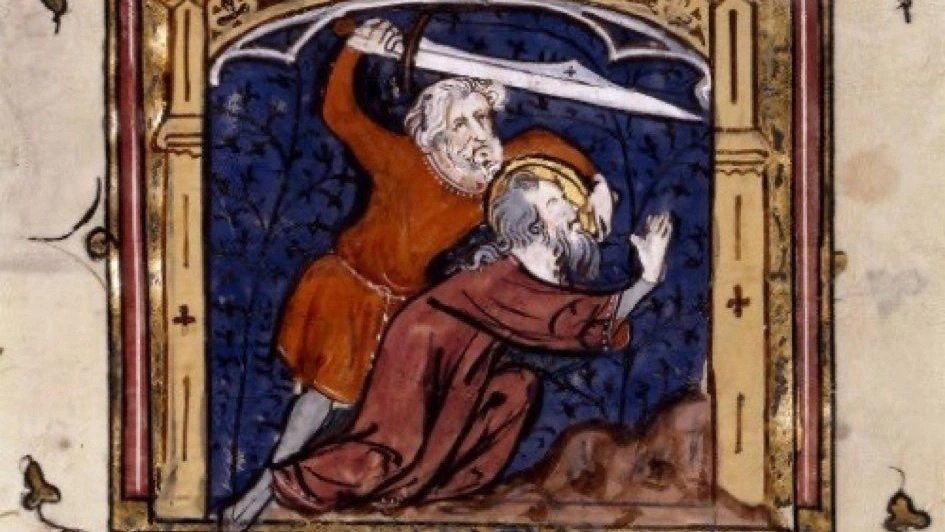
Οι αρχαίοι Ρωμαίοι μπορεί επίσης να είναι υπεύθυνοι για το όνομα της σύγχρονης γιορτής του έρωτα. Ο αυτοκράτορας Κλαύδιος Β΄ φέρεται να εκτέλεσε δύο άνδρες με το όνομα Βαλεντίνος στις 14 Φεβρουαρίου διαφορετικών ετών, τον 3ο αιώνα μ.Χ. Η Καθολική Εκκλησία τίμησε αργότερα το μαρτύριό τους καθιερώνοντας τη γιορτή του Αγίου Βαλεντίνου.
Κατά τον 5ο αιώνα, ο πάπας Γελάσιος Α΄ μπέρδεψε τα πράγματα, συνδυάζοντας την Ημέρα του Αγίου Βαλεντίνου με τα Λουπερκάλια για να εξαλείψει τα παγανιστικά τελετουργικά. Η νέα εκδοχή της γιορτής ήταν περισσότερο μια εξημερωμένη, θεατρική αναπαράσταση των παλαιών τελετουργιών, διατηρώντας ωστόσο τον συμβολισμό της γονιμότητας και της αγάπης.
Την ίδια περίπου εποχή, οι Νορμανδοί γιόρταζαν την Ημέρα του Γαλατίν, μια λέξη που σήμαινε «εραστής των γυναικών». Η ακουστική ομοιότητα του ονόματος πιθανότατα συνέβαλε στη σύγχυση και στη σύνδεσή της με τον Άγιο Βαλεντίνο.
Ο Σαίξπηρ και η Hallmark
Με την πάροδο των αιώνων, η γιορτή απέκτησε πιο ρομαντικό χαρακτήρα. Ποιητές και συγγραφείς, όπως ο Τζέφρι Τσόσερ και ο Ουίλιαμ Σαίξπηρ, συνέβαλαν στη ρομαντικοποίησή της, ενισχύοντας τη δημοτικότητά της στη Βρετανία και στην υπόλοιπη Ευρώπη. Κατά τον Μεσαίωνα, χειροποίητες χάρτινες κάρτες έγιναν το κυρίαρχο σύμβολο της ημέρας.
Η παράδοση μεταφέρθηκε αργότερα στην Αμερική, όταν η Βιομηχανική Επανάσταση επέτρεψε τη μαζική παραγωγή καρτών τον 19ο αιώνα. Το 1913, η εταιρεία Hallmark Cards στο Κάνσας Σίτι ξεκίνησε να παράγει μαζικά κάρτες για την Ημέρα του Αγίου Βαλεντίνου. Έκτοτε, ο Φεβρουάριος δεν είναι πια ο ίδιος.
Πηγή: cnn.gr
The Dark and Bloody Origins of Valentine's Day
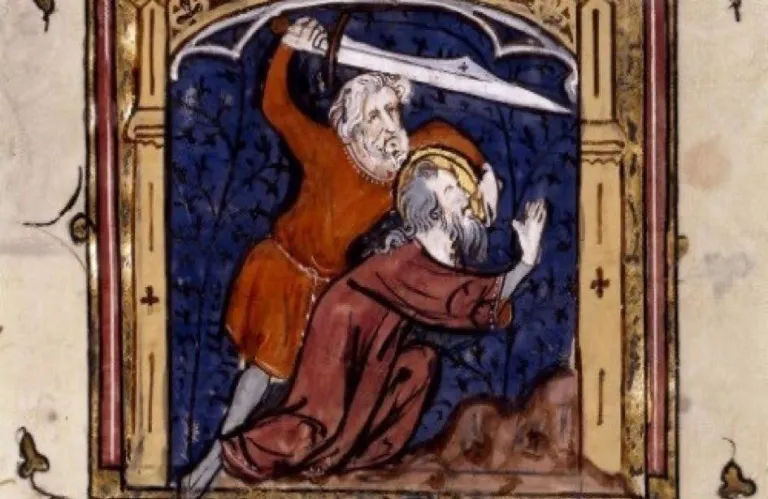
Today's Valentine's Day has established itself as a celebration of love, romance, and devotion. However, the roots of this modern holiday are actually dark, bloody, and somewhat confusing. While the exact origin of the holiday has not been definitively determined, a starting point is ancient Rome, according to NPR. There, from February 13 to 15, the Romans celebrated the Lupercalia, a festival that combined fertility rituals and violent customs. During it, men sacrificed a goat and a dog and then used the skins of the animals to whip women. According to the beliefs of the time, this practice was believed to enhance fertility. Participants were often intoxicated, while women lined up to receive the blows, believing that this would increase their chances of conception. The festival also included a kind of lottery to find a partner: young men drew names of women from a pot, and the couples remained together during the celebrations or even longer if the relationship developed. The Executions of Two Valentines The ancient Romans may also be responsible for the name of the modern holiday of love. Emperor Claudius II is said to have executed two men named Valentine on February 14 in different years, in the 3rd century AD. The Catholic Church later honored their martyrdom by establishing St. Valentine's Day. In the 5th century, Pope Gelasius I confused matters by combining St. Valentine's Day with the Lupercalia to eliminate pagan rituals. The new version of the holiday was a more tamed, theatrical representation of the old rituals, but still retained the symbolism of fertility and love. Around the same time, the Normans celebrated Galatin's Day, a word meaning "lovers of women." The acoustic similarity of the name likely contributed to the confusion and its association with St. Valentine. Shakespeare and Hallmark Over the centuries, the holiday became more romantic. Poets and writers, such as Geoffrey Chaucer and William Shakespeare, contributed to its romanticization, increasing its popularity in Britain and throughout Europe. During the Middle Ages, handmade paper cards became the dominant symbol of the day. The tradition was later transferred to America, when the Industrial Revolution allowed for the mass production of cards in the 19th century. In 1913, Hallmark Cards in Kansas City began mass-producing cards for Valentine's Day. Since then, February has not been the same.
Similar Articles
You Might Also Like

Παγκόσμια Ημέρα Υγροτόπων
Feb 2

Παγκόσμια Ημέρα Ελληνικής γλώσσας η σημερινή
Feb 9

Εορτολόγιο 14 Φεβρουαρίου / Σπάνια σύμπτωση: Δεν είναι μόνο του Αγ. Βαλεντίνου σήμερα

Η σκοτεινή και αιματηρή προέλευση της Ημέρας του Αγίου Βαλεντίνου
Feb 14
Η αιματηρή προέλευση της Ημέρας του Αγίου Βαλεντίνου – Εκτελέσεις, τελετουργίες γονιμότητας, ο Σαίξπηρ και η Hallmark
Feb 14