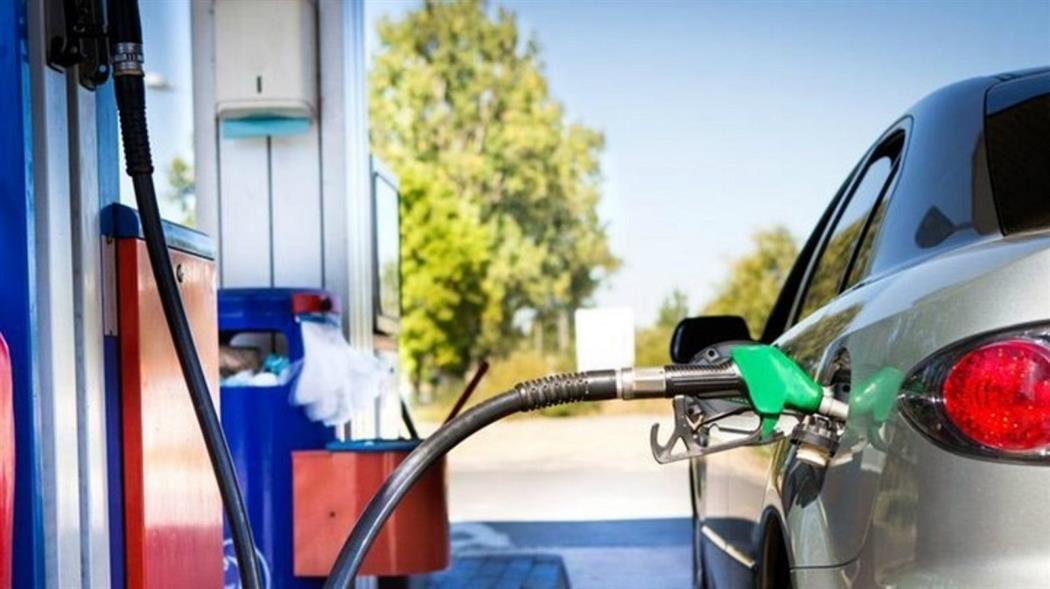
Η κυβέρνηση της Ουγγαρίας απαγόρευσε τις εξαγωγές αργού πετρελαίου, ντίζελ και βενζίνης 95 οκτανίων και θα ρίξει στην αγορά κρατικά αποθέματα καυσίμων 45 ημερών, δήλωσε αργά χθες, Δευτέρα, το βράδυ με ανάρτησή του στο Facebook ο υπουργός Οικονομίας Μάρτον Νάγκι.
Ο πρωθυπουργός Βίκτορ Ορμπάν είχε δηλώσει νωρίτερα χθες ότι η Ουγγαρία θα ορίσει από τα μεσάνυχτα της Δευτέρας προς σήμερα, Τρίτη, ανώτατες τιμές για τα καύσιμα για να προστατεύσει τους καταναλωτές και τις επιχειρήσεις από την αύξηση των τιμών του πετρελαίου.
Διαβάστε επίσης: LIVE: Μαίνεται για 11η ημέρα ο πόλεμος- Ο Τραμπ απειλεί με «φωτιά και οργή»
Η Κροατία θα θέσει επίσης από σήμερα ανώτατα όρια στις τιμές της βενζίνης και του ντίζελ.
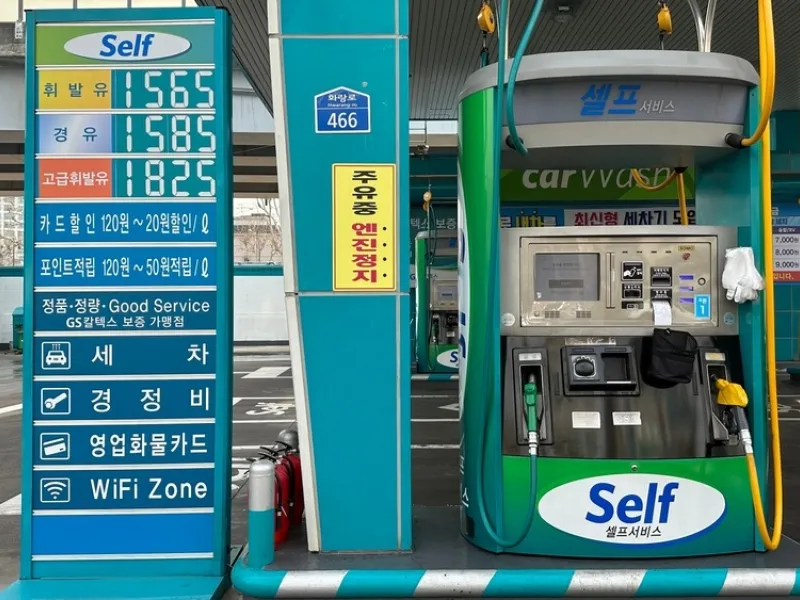
Η Νότια Κορέα ανακοίνωσε επίσης «ένα σύστημα καθορισμού ανώτατων τιμών για τα πετρελαϊκά προϊόντα».
Η Ταϊλάνδη έθεσε ανώτατο όριο στην τιμή του ντίζελ για 15 ημέρες.
Πηγή: ΑΠΕ
Hungary Bans Fuel Exports, Imposes Price Caps

The Hungarian government has banned the export of crude oil, diesel, and 95-octane gasoline, and will release state fuel reserves to the market for 45 days, in an effort to combat rising fuel prices. The decision follows an announcement by Prime Minister Viktor Orbán to impose maximum prices on fuel to protect consumers and businesses. Hungary's move is not isolated, as other countries are also taking measures to curb price increases. Croatia has also announced the imposition of price caps on gasoline and diesel, while South Korea has introduced a system for setting maximum prices for petroleum products. Thailand, for its part, has set a price cap on diesel for 15 days. These actions indicate a broader trend of government intervention in energy markets due to concerns about inflation and economic stability. The export ban from Hungary and the measures taken by other countries are expected to have implications for the regional and global fuel market, as well as international relations. The situation is being closely monitored by international organizations and analysts.