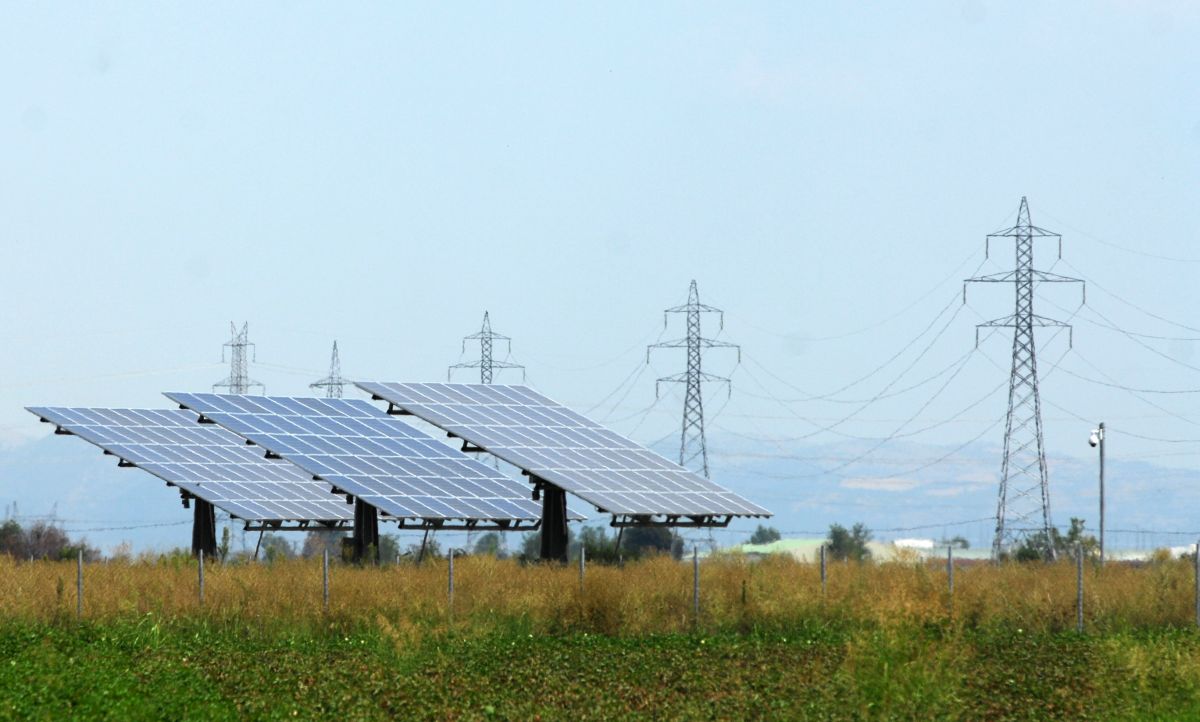
Στον δημόσιο διάλογο για την ενεργειακή μετάβαση παρουσιάζονται συχνά μελέτες που, βασιζόμενες σε απλουστευμένα ενεργειακά ισοζύγια, προσεγγίζουν τη λειτουργία ενός ηλεκτρικού συστήματος ως πρόβλημα αριθμητικής ισορροπίας: πόση ενέργεια παράγεται και πόση καταναλώνεται σε ετήσια βάση.
Στο πλαίσιο αυτό εντάσσεται και πρόσφατη μελέτη με τίτλο «Μελέτη για την Ενεργειακή Αυτονομία της Κύπρου με ΑΠΕ & Αποθήκευση», η οποία, μέσα από ωριαία ανάλυση ενεργειακών ισοζυγίων, εξετάζει σενάρια σχεδόν πλήρους κάλυψης της ετήσιας ζήτησης ηλεκτρισμού της Κύπρου από φωτοβολταϊκά και αποθήκευση.
Τέτοιες προσεγγίσεις μπορούν να έχουν αξία ως προκαταρκτικές αναλύσεις ή θεωρητικές ασκήσεις πολιτικής. Δεν τεκμηριώνουν, όμως, από μόνες τους ότι ένα πραγματικό ηλεκτρικό σύστημα μπορεί να λειτουργήσει με ασφάλεια, αξιοπιστία και τεχνική επάρκεια.
Τα ηλεκτρικά συστήματα δεν είναι στατικά ενεργειακά ισοζύγια. Είναι δυναμικά συστήματα πραγματικού χρόνου, όπου η ισορροπία πρέπει να διατηρείται υπό περιορισμούς ισχύος, ευστάθειας, αδράνειας, δικτύου και αξιοπιστίας. Ένα ηλεκτρικό σύστημα σχεδιάζεται όχι με βάση τα ετήσια αθροίσματα ενέργειας σε μεγαβατόρες (MWh), αλλά με βάση τις ώρες αιχμής, τις απότομες μεταβάσεις φορτίου, τις ροές τάσης και ρεύματος στο δίκτυο, και την ικανότητά του να αντεπεξέρχεται σε ακραία γεγονότα.
Η παρουσίαση απλουστευμένων ενεργειακών σεναρίων ως ολοκληρωμένων «λύσεων συστήματος» δημιουργεί την εσφαλμένη εντύπωση ότι ένα απομονωμένο σύστημα όπως και το δικό μας μπορεί να σχεδιαστεί χωρίς εις βάθος ανάλυση συστημάτων ισχύος και δυναμικής συμπεριφοράς, σύγχυση που δεν ωφελεί ούτε τον δημόσιο διάλογο ούτε την ίδια την ενεργειακή μετάβαση.
Το παρόν κείμενο δεν σχολιάζει τις οικονομικές παραδοχές της εν λόγω μελέτης. Εστιάζει αποκλειστικά στην τεχνική και επιστημονική υπόσταση του ισχυρισμού ότι ένα τέτοιο ενεργειακό σενάριο μπορεί να υποστηρίξει ασφαλή, αξιόπιστη και σταθερή λειτουργία του ηλεκτρικού συστήματος της Κύπρου.
Ενεργειακή επάρκεια μέσω υπερδιαστασιολόγησης
Σύμφωνα με τα στοιχεία της ίδιας της μελέτης, η ετήσια ζήτηση ανέρχεται σε περίπου 5,47 TWh, ενώ η φωτοβολταϊκή παραγωγή φθάνει τις 6,34 TWh. Το σύστημα σχεδιάστηκε εξαρχής με υπερπαραγωγή της τάξης του 16%. Περίπου 1,24 TWh, δηλαδή το 20% της φωτοβολταϊκής παραγωγής, δεν μπορεί να απορροφηθεί ούτε από το φορτίο ούτε από την αποθήκευση και οδηγείται σε περικοπές. Αυτό δεν αποτελεί δευτερεύουσα λεπτομέρεια, αλλά δομικό χαρακτηριστικό του σεναρίου όπου η ενεργειακή «επάρκεια» επιτυγχάνεται μέσω σκόπιμης υπερδιαστασιολόγησης, ώστε να καλυφθούν λίγες αλλά κρίσιμες περίοδοι χαμηλής παραγωγής.
Αποθήκευση χωρίς πραγματικούς και ρεαλιστικούς περιορισμούς
Η αποθήκευση παρουσιάζεται ως ο μηχανισμός που γεφυρώνει τις ασυμμετρίες του συστήματος. Προβλέπεται συνολική δυνατότητα αποθήκευσης περίπου 9,5 GWh, ενώ από τα ωριαία αποτελέσματα προκύπτουν απαιτήσεις φόρτισης πέραν των 2.300 MW και εκφόρτισης που φθάνουν μέχρι 1.040 MW. Παρότι η μελέτη ορίζει τη χωρητικότητα (MWh), δεν καθορίζει ρητά την ονομαστική ισχύ (MW). Η ισχύς «προκύπτει» ενδογενώς από τα ωριαία ισοζύγια, ανάλογα με το πότε και πόσο πλεόνασμα φωτοβολταϊκής παραγωγής πρέπει να απορροφηθεί.
Εδώ ανακύπτει μια θεμελιώδης τεχνική παρατήρηση. O βέλτιστος σχεδιασμός αποθήκευσης δεν μπορεί να οριστεί μόνο σε αποθηκευτική ικανότητα (MWh). Απαιτεί ταυτόχρονο και ρητό ορισμό της ισχύος (MW) και της αντίστοιχης ενέργειας (MWh), καθώς κάθε μέγεθος επιβάλλει διαφορετικούς περιορισμούς σε εξοπλισμό, δίκτυο, λειτουργία και κόστος. Αν οριστεί μόνο η χωρητικότητα και η ισχύς δεν αποτελεί ρητό περιορισμό, το μοντέλο αντιμετωπίζει την αποθήκευση σαν μια «δεξαμενή» με θεωρητικά απεριόριστη παροχή. Συγκεκριμένη ποσότητα ενέργειας, αλλά απεριόριστος ρυθμός φόρτισης και εκφόρτισης. Μια τέτοια παραδοχή μπορεί να διευκολύνει τη λογιστική ισορροπία, δεν αντιστοιχεί σε τυπικές παραδοχές πραγματικού συστήματος αποθήκευσης.
Ακόμη και εντός αυτού του ευνοϊκού θεωρητικού πλαισίου, τα αποτελέσματα δείχνουν ετήσια εκφόρτιση περίπου 2,52 TWh, δηλαδή περίπου 265 ισοδύναμους πλήρεις κύκλους ανά έτος. Παρά την έντονη αυτή χρήση, η αποθήκευση βρίσκεται για 18% των ωρών κάτω από 20% επιπέδου φόρτισης (State of Charge, SoC) και για 10% των ωρών κάτω από 10%, γεγονός που υποδηλώνει ότι για σημαντικό μέρος του χρόνου τα διαθέσιμα ενεργειακά αποθέματα είναι ιδιαίτερα περιορισμένα. Αυτό σημαίνει ότι σημαντικό μέρος της εγκατεστημένης χωρητικότητας δεν λειτουργεί ως διαθέσιμο απόθεμα ευελιξίας, αλλά παραμένει σε χαμηλά επίπεδα φόρτισης, περιορίζοντας τη δυνατότητα απόκρισης ακριβώς στις δυσμενέστερες συνθήκες.
Τα συμπεράσματα αυτά προκύπτουν χωρίς να ενσωματώνονται βασικοί φυσικοί περιορισμοί των συστημάτων αποθήκευσης, όπως οι απώλειες φόρτισης και εκφόρτισης, η ιδιοκατανάλωση των βοηθητικών φορτίων του συστήματος και η σταδιακή υποβάθμιση της διαθέσιμης χωρητικότητας με την πάροδο του χρόνου λειτουργείας. Η παράλειψη αυτών των παραμέτρων οδηγεί σε υπερεκτίμηση της πραγματικής λειτουργικής συνεισφοράς της αποθήκευσης.
Ισχύς, απότομες μεταβάσεις και το πραγματικό τεστ επάρκειας
Κατά την εβδομάδα μέγιστης ζήτησης του καλοκαιριού, η αιχμή φορτίου φθάνει περίπου τα 1.230 MW. Μετά τη δύση του ηλίου, το υπολειμματικό φορτίο προσεγγίζει τα 750 MW, ενώ εμφανίζονται απότομες μεταβάσεις (ramps) της τάξης των 680–700 MW. Αυτά τα μεγέθη είναι που καθορίζουν τη λειτουργική επάρκεια ενός απομονωμένου συστήματος. Την ικανότητά του να ακολουθεί γρήγορα τη μεταβολή του καθαρού φορτίου, να διατηρεί τάση και συχνότητα εντός ορίων και να ανταποκρίνεται σε διαταραχές. Η εικόνα 1, ωστόσο, αποτυπώνει μια διαφορετική αλλά εξίσου κρίσιμη δοκιμασία όπου την εβδομάδα με τη χαμηλότερη παραγωγή φωτοβολταϊκών (Δεκέμβριος), όπου η αποθήκευση δεν καταφέρνει να γεμίσει πλήρως και η συμβατική παραγωγή καλείται να καλύψει τόσο απότομες μεταβάσεις όσο και ένα πολύ μεγάλο μέρος της ζήτησης. Κατά συνέπεια, δεν αρκεί η αναφορά σε ετήσια ενεργειακά ισοζύγια ή σε ποσοστά κάλυψης MWh απαιτείται αξιολόγηση με όρους ισχύος (MW), ρυθμών μεταβολής (MW/h), εφεδρειών και αξιοπιστίας.
Στο ίδιο πλαίσιο, η διατύπωση ότι η συμβατική παραγωγή περιορίζεται στο 6–7% της κατανάλωσης προκύπτει ως αποτέλεσμα καθαρά ενεργειακής ανάλυσης, υπό την παραδοχή ότι η αποθήκευση μπορεί οποτεδήποτε να αποδώσει την απαιτούμενη ισχύ χωρίς ουσιαστικούς περιορισμούς. Όμως, σε μια ολοκληρωμένη μελέτη ηλεκτρικού συστήματος (με ροές φορτίου, ροές τάσης και ρεύματος, περιορισμούς δικτύου, δυναμική ευστάθειας και κριτήριο N-1) οι ίδιες απαιτήσεις αιχμής και μεταβολών (ramps) θα μεταφράζονταν αναγκαστικά σε μεγαλύτερη ανάγκη διαθέσιμης συμβατικής ισχύος (ή/και άλλων πόρων στήριξης), όχι ως ποσοστό ενέργειας, αλλά ως αναγκαίο τεχνικό «μαξιλάρι» για ασφαλή λειτουργία στις κρίσιμες ώρες.
Υπέρ των ΑΠΕ, με σεβασμό στα όρια του συστήματος
Η στήριξη των ΑΠΕ και της αποθήκευσης είναι αναγκαία και αδιαμφισβήτητη. Η επιτυχία της ενεργειακής μετάβασης, όμως, προϋποθέτει τεχνική ακρίβεια και ρεαλισμό. Ένα ενεργειακό σενάριο μπορεί να είναι χρήσιμο ως ένδειξη κατεύθυνσης, δεν ισοδυναμεί όμως κατ’ ανάγκη με πλήρως τεκμηριωμένη λύση συστήματος. Χωρίς ρητή ανάλυση ισχύος, δυναμικής συμπεριφοράς και περιορισμών δικτύου, τα συμπεράσματα τέτοιων προσεγγίσεων συνοδεύονται αναπόφευκτα από ουσιώδεις τεχνικές επιφυλάξεις.
- Πρώην Ανώτερος Ερευνητής στον τομέα των Έξυπνων Δικτύων, στο Πανεπιστήμιο της Μελβούρνης και ερευνητής στην Électricité de France R&D στη Γαλλία
Οι απόψεις που εκφράζονται είναι προσωπικές.
Energy Transition: From Accounting Sufficiency to Technical Sufficiency of the Electric System
The discussion on the energy transition often focuses on simplified energy balances, which examine the balance between energy production and consumption on an annual basis. However, this approach does not take into account the dynamic nature of electrical systems and the technical challenges involved in integrating renewable energy sources. A recent study on Cyprus's energy autonomy with RES and storage, although based on hourly analysis, does not adequately address the safety, reliability, and technical sufficiency requirements of a real electrical system. Electrical systems must be designed based on peak hours, sudden load changes, and the ability to cope with extreme events. The study proposes a scenario of 16% overproduction of photovoltaic energy, with 20% of production unable to be absorbed and leading to curtailments. This suggests that energy 'sufficiency' is being pursued through the deliberate oversizing of the system in order to cover the few but critical periods of low production. Furthermore, the study does not take into account the real limitations of energy storage, such as maximum charging and discharging power. Presenting simplified scenarios as complete 'system solutions' can lead to misleading impressions and undermine the substantive discussion on the energy transition.
You Might Also Like
Τα κύρια προβλήματα στο συνταξιοδοτικό
Jan 20
Ιδού η νέα μελέτη που δείχνει πως η Κύπρος μπορεί να γίνει ενεργειακά αυτόνομη με ΑΠΕ
Jan 20

Βιταμίνη D: Πώς τα χαμηλά επίπεδα συνδέονται με λοιμώξεις του αναπνευστικού
Jan 25

Πώς η γιόγκα μπορεί να βοηθήσει σημαντικά στην απεξάρτηση, σύμφωνα με νέα έρευνα
Jan 26