Στην Ανατολική Μεσόγειο, οι ισορροπίες ισχύος είναι σύνθετες και συχνά παραπλανητικές. Το Ιράν και η Τουρκία παίζουν διαφορετικούς ρόλους και αξίζει να σκεφτούμε τι θα συνεβαινε σε κάθε ξεχωριστή περίπτωση.
Είναι αλήθεια που πρέπει να παραδεχτούμε, ότι το Ιράν δεν μπορει να κρατηθεί από τον κατακτητή του αλλά ούτε και να ενσωματωθεί και αυτό γιατί η επιρροή πάνω του περιορίζεται μέσα από τον χρόνο, την πίεση και βεβαιως τις στρατηγικές κινήσεις. Η Τουρκία, από την άλλη, λειτουργεί σαν εργαλείο που απορροφά κραδασμούς, αναλαμβάνει τις δύσκολες αποστολές και συχνά εκτελεί- αυτό που λέμε-τη “βρώμικη δουλειά ενώ οι υπόλοιποι προτιμούν να αποφύγουν. Δεν υποστηρίζεται ακριβώς επειδή είναι αγαπητή ή αξιόπιστη, κσθε άλλο αλλά επειδή η σταθερότητά της και η χρησιμότητά της αποτελούν κρίσιμα εργαλεία στη διαχείριση της περιοχής.
Το Ισραήλ, παρόλο που ανεβάζει την ένταση και επηρεάζει την πορεία των γεγονότων, -αν και πολλοί θα πίστευαν το αντίθετο- δεν είναι η δύναμη που καθορίζει το τέλος των συγκρούσεων, δεν καταλαμβάνει έδαφη και δεν κλείνει τους πολέμους. Αυτά τα καθήκοντα παραμένουν στα χέρια των Ηνωμένων Πολιτειών. Στην πραγματικότητα, το Ισραήλ ειναι ένας μοχλός που επιταχύνει τις εξελίξεις χωρίς να αναλαμβάνει την πλήρη ευθύνη.
Στο Ιράν,όπως και στην πραγματικότητα φαίνεται, η φθορά επιτυγχάνεται μέσα από τη χρήση του παραγοντα χρόνου την, πίεση και φυσικά τα στρατηγικά λάθη.
Σε αυτό το πλαίσιο, η Ελλάδα καλείται να παίξει ρόλο σταθερότητας και να κινείται προσεκτικά, με προβλεψιμότητα και αξιοπιστία σε ένα ασταθές περιβάλλον.
Τι κερδίζει η Ελλάδα;
Σε βραχυπρόθεσμο επίπεδο, η χώρα απολαμβάνει αρκετά πλεονεκτήματα:όπως προστασία έναντι της Τουρκίας, στρατιωτική υποστήριξη, διπλωματική σταθερότητα και αναβάθμιση μέσω των των βάσεων, συνεκπαιδεύσεις και τεχνογνωσία. Η εικόνα του αξιόπιστου συμμάχου αποκτά ιδιαίτερη σημασία σε περιόδους αβεβαιότητας. Η Ελλάδα λειτουργεί σαν σταθερό οικόπεδο σε μια σεισμική γειτονιά και ας πούμε ότι αυτή η σταθερότητα ανταμείβεται.
Τι χάνει όμως αθόρυβα;
Η στρατηγική αυτονομία της- κι εδώ έρχεται η ουσία- ναι περιορίζεται. Η χώρα δεν καθορίζει από μόνη της πότε και με ποιον τρόπο θα αυξήσει την ένταση. Η ασυμμετρία με την Τουρκία παραμένει και η τελευταία είναι απρόβλεπτη και χρήσιμη για όσους τη στηρίζουν. Βέβαια η δυνατότητα αιφνιδιασμού μειώνεται, όσο η Ελλάδα συνεχίζει να αποτελεί στήριγμα σε ένα διεθνές παιχνίδι όπου τα στηρίγματα δεν κινούνται από μόνα τους.
Αληθεια ειινα πως υπάρχει χώρος για ελιγμούς, όχι όμως όπως συχνά φαντάζεται η πολιτική σκηνή της χώρας. Δυστυχως σε αυτές τις περιπτώσεις δεν αρκεί να έχεις δίκιο ή να βασίζεσαι στις συμμαχίες γιατί αυτά λειτουργούν κυρίως ρητορικά. Ο πραγματικός ελιγμός απαιτεί πειθαρχία, υπομονή και ψυχραιμία.
Το μεγάλο λάθος είναι η λογική «όλα ή τίποτα», όπου κάθε ζήτημα φορτώνεται με όλα τα προβλήματα ταυτόχρονα. Η Τουρκία, αντίθετα, αντιμετωπίζει κάθε θέμα χωριστά, διατηρώντας περιθώρια ελιγμού. Η Ελλάδα μπορεί να μάθει από αυτή τη σκληρή αλλά απαραίτητη πρακτική.
Στις σύγχρονες διεθνείς σχέσεις, οι νίκες και οι ήττες δεν είναι αυτές που καθορίζουν πάντα την ισχύ, όσο αποτελεσματική είναι η τακτική της φθοράς , ο έλεγχος και η διαχείριση της κατάστασης και βεβαιως αυτό που ισχύει είναι ότι στην πραγματικότητα, δεν υπάρχει κενό ισχύος, αυτό που υπάρχει ονομάζεται αναδιάταξη.
Προστασία της στρατηγικής αυτονομίας
Για να προστατεύσει την αυτονομία της χωρίς ρίσκο, η Ελλάδα μπορεί να ακολουθήσει μερικές απλές αλλά αποτελεσματικές στρατηγικές όπως να
ελεγχει φυσικά τον χρόνο και τον ρυθμό, τις καθυστερήσεις σε αυτονόητες αποφάσεις, την τεχνική επανεξέταση αντί για το γρήγορο πολιτικό «ναι».τη
Θεματική αποσύνδεση από την Τουρκία: ενεργειακά, ναυτιλιακά και των υποδομών καθώς τα ζητήματα πρέπει να αντιμετωπίζονται ξεχωριστά.
Ελεγχόμενη ασάφεια: λιγότερες δηλώσεις και περισσότερη αποσιώπηση είναι επισης εργαλεία για να δημιουργηθεί αβεβαιότητα και κυρίως..νομικός κορεσμός που σημαίνει συνεχείς τεχνικές κινήσεις και εξάντληση διαδικασιών για να αποφευχθεί η πίεση του χρόνου.
Σταδιακή προώθηση, που σημαίνει ένα θέμα τη φορά, με μικρά βήματα και παύσεις, αποφεύγοντας τη λογική «όλα μαζί».
Με αυτά τα βήματα, η Ελλάδα μπορεί να διατηρήσει τη στρατηγική της αυτονομία, παραμένοντας σταθερό και αξιόπιστο εργαλείο σε μια περιοχή που συνεχώς αναδιατάσσεται.
Greece, Turkey, and the US: Strategic Stability in Turbulent Times

The Eastern Mediterranean is a complex geopolitical landscape, where Iran and Turkey play significant, yet distinct, roles. Iran appears unable to maintain its autonomy, while Turkey acts as a shock absorber and executor of difficult missions, thereby preserving its usefulness despite its lack of general acceptance. Israel, though it exacerbates tensions, is not the determining factor in conflicts, leaving that role to the United States. Within this unstable environment, Greece is called upon to act as a stabilizing force, moving with predictability and reliability. In the short term, the country enjoys advantages such as protection from Turkey, military and diplomatic support, as well as upgrading through military bases and joint exercises. However, this strategic approach also has its cost. Greece's strategic autonomy is limited, as it does not have the ability to determine the timing and manner of escalation on its own. The asymmetry with Turkey remains, and the latter maintains its unpredictable nature which makes it useful to its allies. Despite the difficulty, room for maneuver exists, but requires discipline, patience and composure, which often does not happen in the Greek political scene. Treating each issue as a separate issue, as Turkey does, is a practice that could benefit Greece, allowing it to maintain room for maneuver and avoid an ‘all or nothing’ logic.
You Might Also Like

Πριν τις 15 Φεβρουαρίου η συνάντηση Μητσοτάκη με Ερντογάν. «Δεν χρειάζονται επιδιαιτητές στα ελληνοτουρκικά»
Feb 2
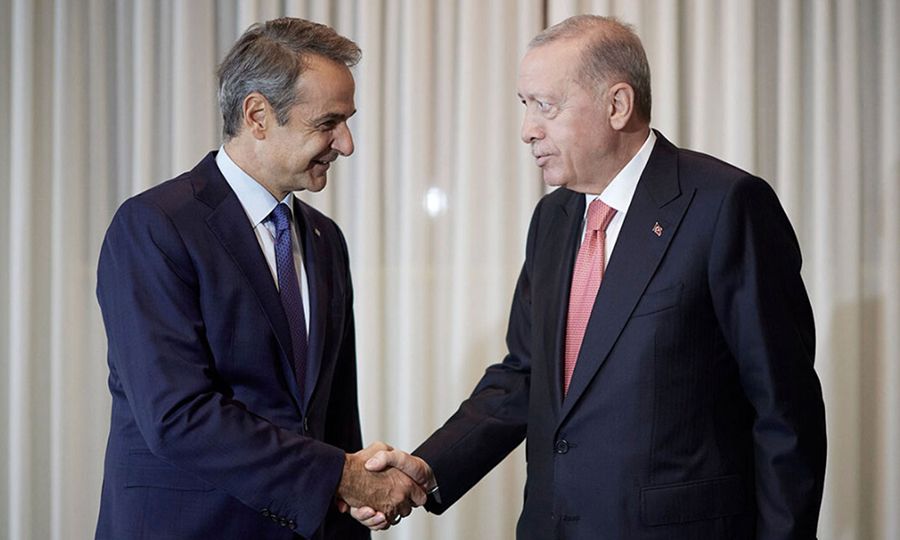
Πριν τις 15 Φεβρουαρίου η συνάντηση Μητσοτάκη - Ερντογάν
Feb 3
Το ενιαίο μέτωπο του Ελληνισμού
Feb 8
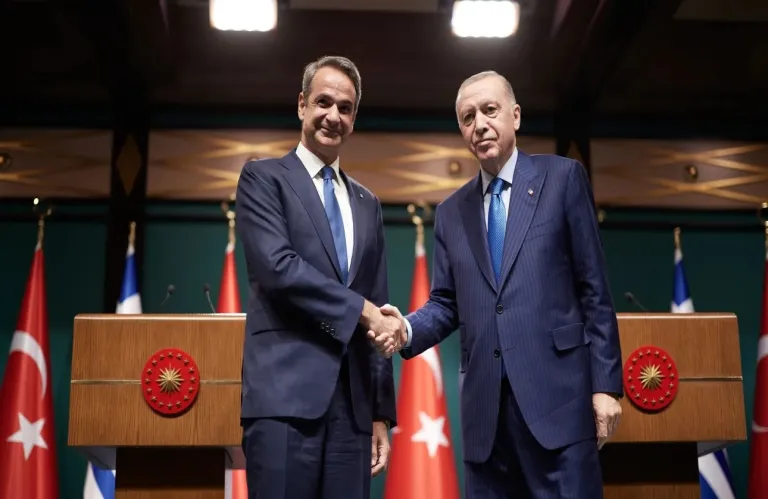
Συνάντηση Μητσοτάκη - Ερντογάν στην Άγκυρα: Προσδοκίες, όρια και γεωπολιτικό πλαίσιο
Feb 8
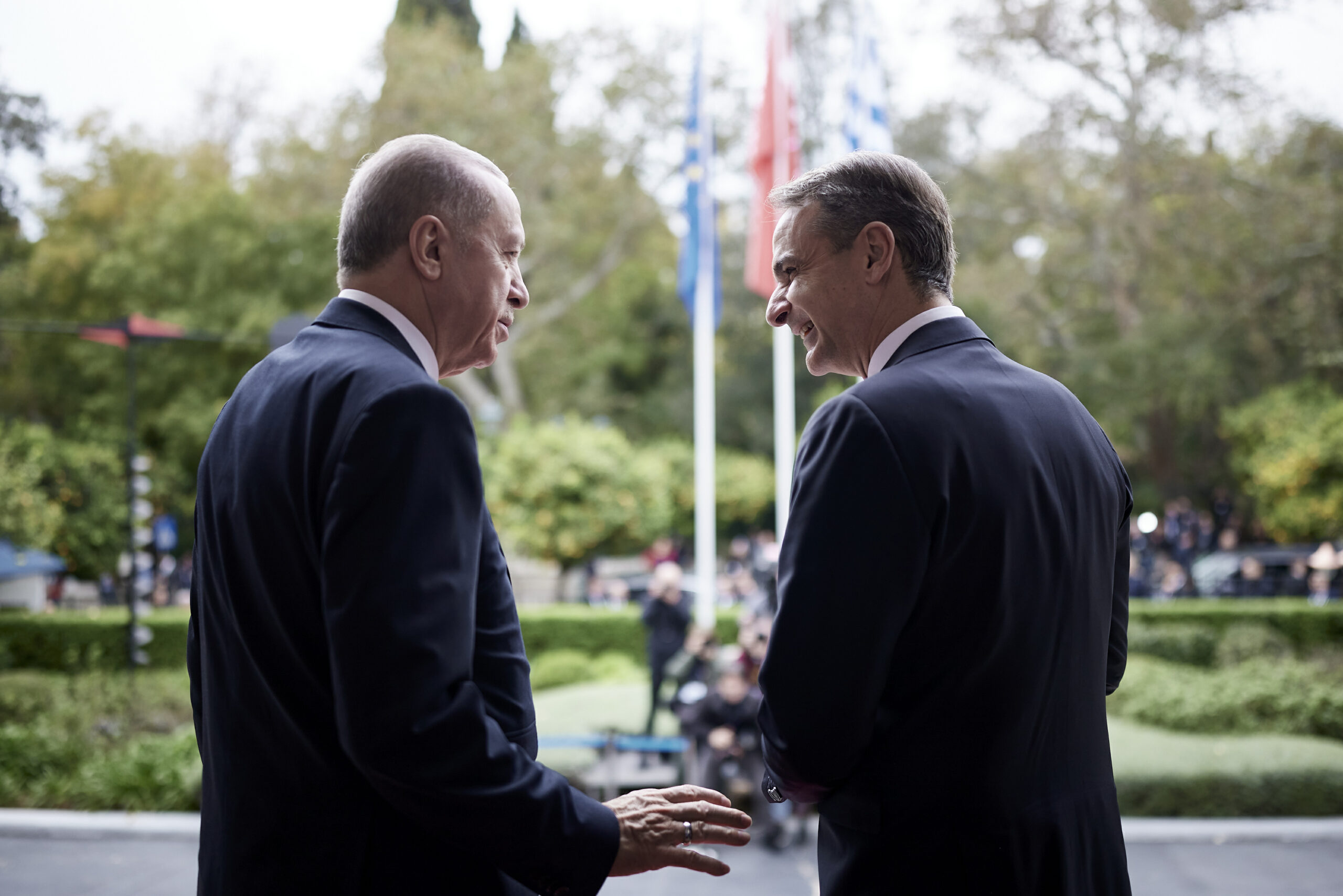
Μετά τη χειραψία να… μετρήσει τα δάκτυλα του
Feb 10