Το Ανώτατο Δικαστήριο των ΗΠΑ αποφάνθηκε χθες Παρασκευή ότι ένα σημαντικό μέρος των δασμών που είχε επιβάλει ο αμερικανός πρόεδρος Ντόναλντ Τραμπ μετά την επιστροφή του στον Λευκό Οίκο ήταν παράνομοι, καταρρίπτοντας έναν βασικό πυλώνα του οικονομικού του προγράμματος.
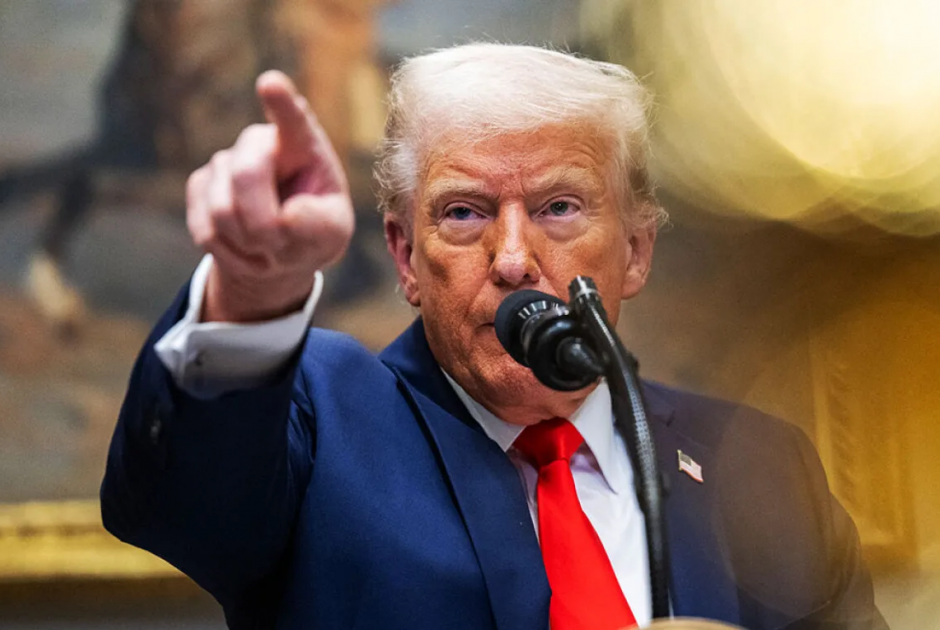
Ακολούθως ο πρόεδρος των ΗΠΑ ανακοίνωσε ότι υπέγραψε διάταγμα με το οποίο επιβάλλει νέο παγκόσμιο δασμό 10%, ο οποίος θα τεθεί σε ισχύ στις 24 Φεβρουαρίου για περίοδο 150 ημερών.
Το Γαλλικό Πρακτορείο Ειδήσεων (AFP) παραθέτει έναν απολογισμό των συνεπειών.
Αποζημιώσεις
Η ετυμηγορία του Ανωτάτου Δικαστηρίου των ΗΠΑ ουσιαστικά ακυρώνει τους λεγόμενους “ανταποδοτικούς” δασμούς, οι οποίοι είχαν επιβληθεί σε σχεδόν όλα τα προϊόντα που εισάγονται στις ΗΠΑ. Ωστόσο, η απόφαση δεν επηρεάζει τους δασμούς που επιβάλλονται σε ορισμένους τομείς – όπως τα αυτοκίνητα, ο χάλυβας και το αλουμίνιο ή τα φαρμακευτικά προϊόντα.
Σύμφωνα με τον επικεφαλής οικονομολόγο της EY-Parthenon Γκρέγκορι Ντάκο, η άμεση συνέπεια θα είναι η μείωση του μέσου συντελεστή που εφαρμόζεται στα εισαγόμενα προϊόντα, ο οποίος αναμένεται να υποχωρήσει από 16,8% σε περίπου 9,5%.
Μια άλλη συνέπεια είναι ότι οι εταιρείες που κατέβαλαν αυτούς τους δασμούς μπορούν να αξιώσουν αποζημίωση. Ορισμένες από αυτές είχαν ήδη προβλέψει την εξέλιξη, ασκώντας έφεση.
Αν και παραμένει δύσκολο να προσδιοριστεί το ακριβές ποσό, οικονομολόγοι εκτιμούν πως τα έσοδα που θα προκύψουν από αυτούς τους ανταποδοτικούς δασμούς θα κυμανθούν μεταξύ 130 και 140 δισεκατομμυρίων δολαρίων το 2025.
Στα μέσα Ιανουαρίου, ο Ντόναλντ Τραμπ επιχείρησε να παρουσιάσει μια ζοφερή εικόνα, μιλώντας για αποζημιώσεις “εκατοντάδων δισεκατομμυρίων δολαρίων” σε περίπτωση δυσμενούς απόφασης του Ανωτάτου Δικαστηρίου. Χθες Παρασκευή, ο πρόεδρος των ΗΠΑ εκτίμησε πως αυτό θα κριθεί από τη δικαιοσύνη.
Ο Δημοκρατικός κυβερνήτης του Ιλινόι έχει ήδη ζητήσει επιστροφή 1.700 δολαρίων ανά νοικοκυριό, βασισμένος σε εκτιμήσεις του πανεπιστημίου Γέιλ. Ο Δημοκρατικός κυβερνήτης της Καλιφόρνιας τόνισε από την πλευρά του πως θεωρεί ότι η κυβέρνηση θα πρέπει να αποζημιώσει τους καταναλωτές.
Διαπραγματεύσεις
Πέρα από τις άμεσες συνέπειες, η απόφαση του Ανωτάτου Δικαστηρίου των ΗΠΑ ενδέχεται να επηρεάσει την ικανότητα της αμερικανικής κυβέρνησης να συνάψει εμπορικές συμφωνίες με τους εταίρους της – η βούληση των οποίων να μειώσουν το ύψος των δασμών έπαιξε καθοριστικό ρόλο στην έναρξη των διαπραγματεύσεων.
Ο υπουργός Οικονομικών Σκοτ Μπέσεντ παραδέχτηκε πρόσφατα ότι μια δυσμενής απόφαση του Ανωτάτου Δικαστηρίου θα μπορούσε να στερήσει από την κυβέρνηση την “ευελιξία” που προσφέρει η χρήση των δασμών ως διαπραγματευτικού μοχλού.
Ο Λευκός Οίκος διευκρίνισε στο AFP πως οι χώρες που έχουν υπογράψει συμφωνίες υπόκεινται πλέον και στον πρόσθετο δασμό 10% που επέβαλε ο πρόεδρος Τραμπ.
Εναλλακτικές για την κυβέρνηση των ΗΠΑ
Το διάταγμα που υπέγραψε ο Ντόναλντ Τραμπ βασίζεται σε έναν εμπορικό νόμο του 1974, που επιτρέπει στον πρόεδρο να εξισορροπήσει τις συναλλαγές μεταξύ των ΗΠΑ και των εταίρων τους όταν διαπιστώνεται σημαντική ανισορροπία στο ισοζύγιο πληρωμών.
Ωστόσο, υπάρχει το μειονέκτημα ότι ο νόμος αυτός παρέχει αυτήν τη δυνατότητα στον πρόεδρο των ΗΠΑ για διάστημα έως 150 ημερών. Ακολούθως, η κυβέρνηση θα πρέπει να εξασφαλίσει έγκριση από το Κογκρέσο, εφόσον θελήσει να διατηρήσει το μέτρο.
Η πιο προφανής λύση για την κυβέρνηση θα ήταν να καταθέσει προς ψήφιση στο Κογκρέσο νομοσχέδιο που θα της έδινε τη δυνατότητα για επαναφορά των δασμών.
Κάτι τέτοιο, όμως, θα μπορούσε να αποδειχθεί χρονοβόρο και δύσκολο να επιτευχθεί, ιδίως με τις ενδιάμεσες εκλογές να πλησιάζουν και ορισμένους Ρεπουμπλικάνους να εκφράζουν επιφυλάξεις σχετικά με την εκτεταμένη χρήση δασμών από τον πρόεδρο Τραμπ.
ΑΠΕ
Trump Tariffs: What the Supreme Court Rejection Means and Who Can Claim Compensation
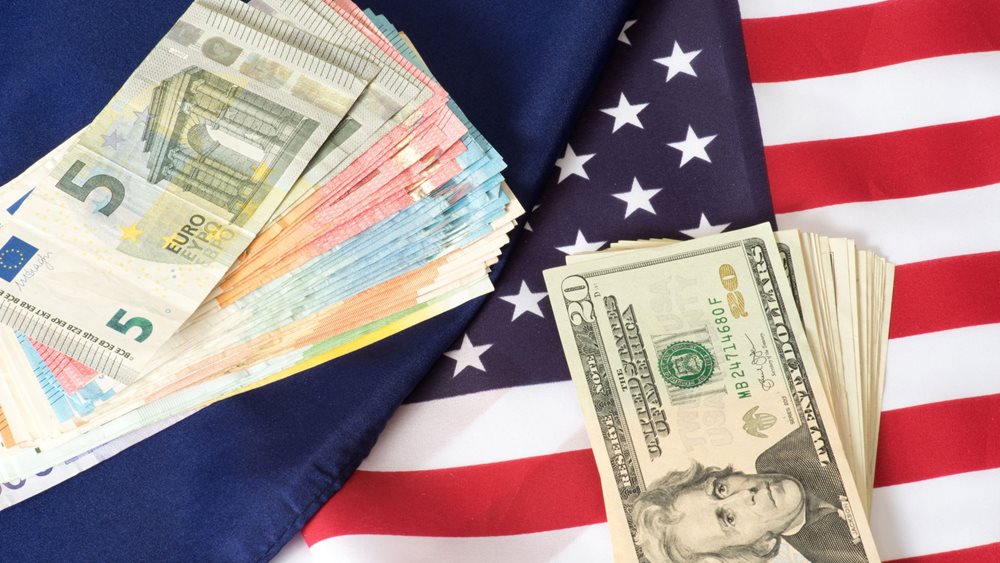
The U.S. Supreme Court ruled that a significant portion of the tariffs imposed by Donald Trump during his presidency were illegal, overturning a key pillar of his economic policy. Subsequently, Trump announced a new global tariff of 10% that will take effect from February 24th for 150 days. The decision nullifies the so-called "retaliatory" tariffs on many products, but not in sectors such as automobiles, steel, and pharmaceuticals. Economists estimate that the decision will lead to a reduction in the average tariff rate from 16.8% to 9.5%. Companies that paid the tariffs can claim compensation, estimated between $130 and $140 billion for 2025. Trump initially estimated that the compensation would be much higher. Governors of states like Illinois and California are calling for refunds to citizens, based on different cost estimates. The Supreme Court’s decision may affect the ability of the U.S. to conclude trade agreements, as the ability to impose tariffs was used as a negotiating tool. The White House clarified that countries with agreements with the U.S. are also subject to the new 10% tariff imposed by Trump. The U.S. government, through a new decree, relies on a 1974 law to balance trade relations with its partners.
You Might Also Like
Τραμπ: «Ντροπή» η απόφαση του Ανώτατου Δικαστηρίου για τους δασμούς
Feb 20
Δασμοί Τραμπ: Στα $175 δισ. ο «λογαριασμός» για τις ΗΠΑ μετά την απόφαση του Ανώτατου Δικαστηρίου
Feb 20
Το Ανώτατο Δικαστήριο των ΗΠΑ μπλοκάρει τους δασμούς του Ντόναλντ Τραμπ - Τι σημαίνει η απόφαση
Feb 20
Τραμπ ανακοινώνει νέο παγκόσμιο δασμό 10% για εμπορικούς εταίρους των ΗΠΑ
Feb 21
Λευκός Οίκος: Κατάργηση ορισμένων δασμών μετά την ετυμηγορία του Ανωτάτου
Feb 21