Η εξάπλωση του αφθώδους πυρετού στις κτηνοτροφικές περιοχές της Κύπρου έχει προκαλέσει προβληματισμό στον αγροτικό κόσμο και ανησυχία στην κοινωνία. Παρά τον ιδιαίτερο δημόσιο διάλογο και τα δραστικά μέτρα που εφαρμόζονται, οι επιστημονικές και διεθνείς πηγές είναι σαφείς ότι η νόσος δεν αποτελεί κίνδυνο για τη δημόσια υγεία, αλλά προκαλεί σοβαρά προβλήματα στην υγεία των ζώων και την οικονομία
Σύμφωνα με τις Κτηνιατρικές Υπηρεσίες της Κύπρου, οι οποίες εξέδωσαν επίσημες οδηγίες και απαγόρευσαν τις μετακινήσεις ζώων και ζωοτροφών σε ολόκληρο το νησί, «σε περίπτωση εμφάνισης αφθώδους πυρετού απαγορεύονται οι μετακινήσεις ζώων και προϊόντων χωρίς την έγκριση των Κτηνιατρικών Υπηρεσιών».
Τι αναφέρει ο Παγκόσμιος Οργανισμός για την Υγεία των Ζώων
Ο WOAH (World Organisation for Animal Health): αναφέρει ρητά ότι ο αφθώδης πυρετός «δεν είναι εύκολα μεταδοτικός στον άνθρωπο» και «δεν αποτελεί κίνδυνο για τη δημόσια υγεία».
Ο διεθνής οργανισμός σημειώνει επίσης ότι έχουν καταγραφεί μόνο λίγες, ήπιες περιπτώσεις ανθρώπινης λοίμωξης ιστορικά (κυρίως από άμεση επαφή με μολυσμένα ζώα), χωρίς ανάγκη νοσηλείας, δηλαδή πρακτικά δεν αντιμετωπίζεται ως πρόβλημα δημόσιας υγείας.
Γιατί λοιπόν θανατώνονται τα ζώα;
Σύμφωνα και πάλι με τον WOAH, η θανάτωση των ζωών επιβάλλεται προκειμένου να σταματήσει η επιδημία και να προστατευθούν οι υπόλοιπες εκμεταλλεύσεις, καθώς ο ιός μπορεί να διατηρηθεί στον πληθυσμό των ζώων για μεγάλα χρονικά διαστήματα και να επανεμφανιστεί αν δεν ελεγχθεί δραστικά.
Οι επιπτώσεις του στα ζώα είναι πολύ σοβαρές
Η νόσος προκαλεί, ψηλό πυρετό (συχνά το πρώτο σύμπτωμα), Φυσαλίδες (άφθες) στο στόμα, στη γλώσσα και στα ούλα, Φουσκάλες στις χηλές και στα πέλματα, Έντονη σιελόρροια, Χωλότητα λόγω πόνου στα άκρα, Ανορεξία και αδυναμία σίτισης.
Οι φυσαλίδες σπάνε και μετατρέπονται σε επώδυνες πληγές, με αποτέλεσμα τα ζώα να μην μπορούν να φάνε ή να κινηθούν φυσιολογικά.
Ακόμη και όταν τα ζώα επιβιώσουν, η παραγωγή γάλακτος μπορεί να μειωθεί δραματικά (έως και 80% προσωρινά), η ανάπτυξη σε νεαρά ζώα καθυστερεί, αναπαραγωγική ικανότητα μπορεί να επηρεαστεί και σε ορισμένες περιπτώσεις παρατηρούνται αποβολές.
Σύμφωνα με τον WOAH η πλήρης επαναφορά στην προηγούμενη παραγωγική κατάσταση μπορεί να πάρει μήνες, ή να μην επιτευχθεί ποτέ.
Στα ενήλικα ζώα η θνησιμότητα είναι συνήθως χαμηλή, ωστόσο, στα νεαρά ζώα μπορεί να είναι υψηλή αφού ο ιός μπορεί να προκαλέσει μυοκαρδίτιδα (καρδιακή βλάβη) σε νεαρά ζώα, οδηγώντας σε αιφνίδιο θάνατο
Ακόμη όμως και μετά την ανάρρωση μερικά ζώα παραμένουν φορείς του ιού για μήνες, υπάρχει κίνδυνος νέας μετάδοσης, παρατηρείται μόνιμη απώλεια σωματικής κατάστασης, Σε κάποιες περιπτώσεις, παραμένουν χρόνιες βλάβες στα πέλματα των ζώων.
Foot-and-Mouth Disease in Cyprus: What the World Organisation for Animal Health Says – Risk to Humans or Only to Animals?

The spread of foot-and-mouth disease in Cyprus has caused concern, however, according to the World Organisation for Animal Health (WOAH), the disease does not pose a risk to public health, but seriously affects animal health and the economy. The Veterinary Services of Cyprus have taken measures, such as banning the movement of animals and feed, to limit the spread. Culling animals, although a drastic measure, is considered necessary to control the epidemic and protect other farms, as the virus can remain in the animal population for a long time. The disease causes severe symptoms in animals, such as high fever, blisters, salivation, lameness, and loss of appetite, and can lead to a permanent reduction in milk production and reproductive problems. Even after recovery, some animals remain carriers of the virus, posing a risk of new transmissions. A full return to the previous productive state may be difficult or impossible, and in young animals, the virus can cause serious heart damage.
You Might Also Like
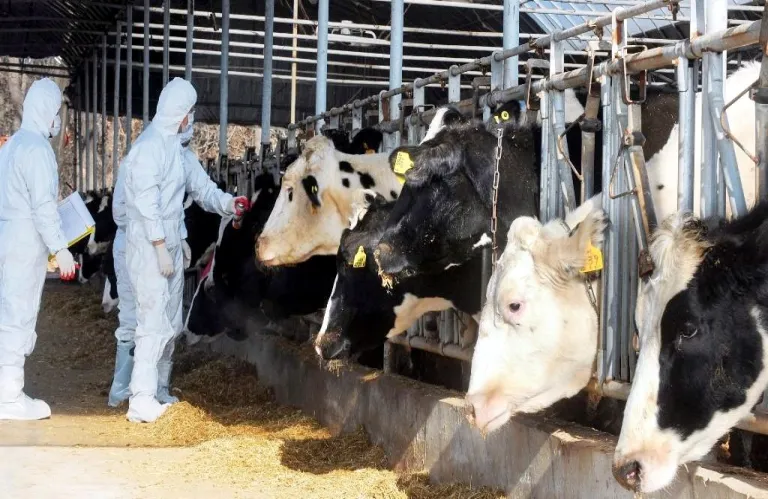
Τι είναι ο αφθώδης πυρετός που εντοπίστηκε στα Λειβάδια και πώς μεταδίδεται - Είναι επικίνδυνος για τον άνθρωπο;
Feb 20

Ανησυχία από το Κόμμα για τα Ζώα για τα κρούσματα αφθώδους πυρετού
Feb 21
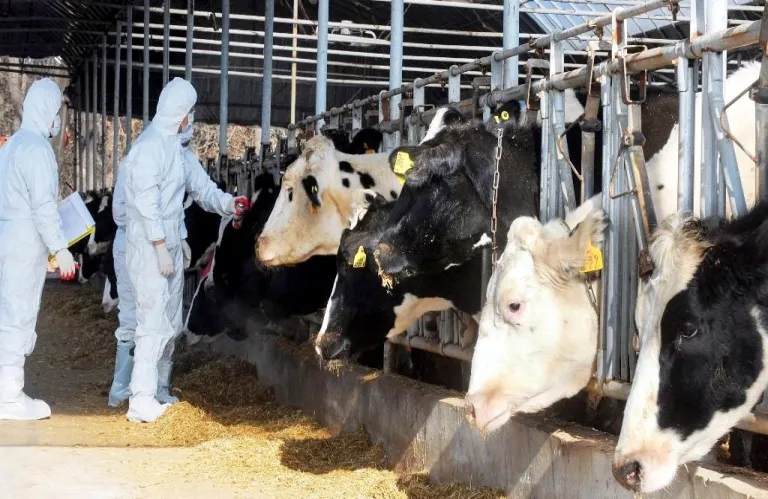
Όλα όσα πρέπει να γνωρίζετε για τον αφθώδη πυρετό: Μεταδίδεται στον άνθρωπο;
Feb 23
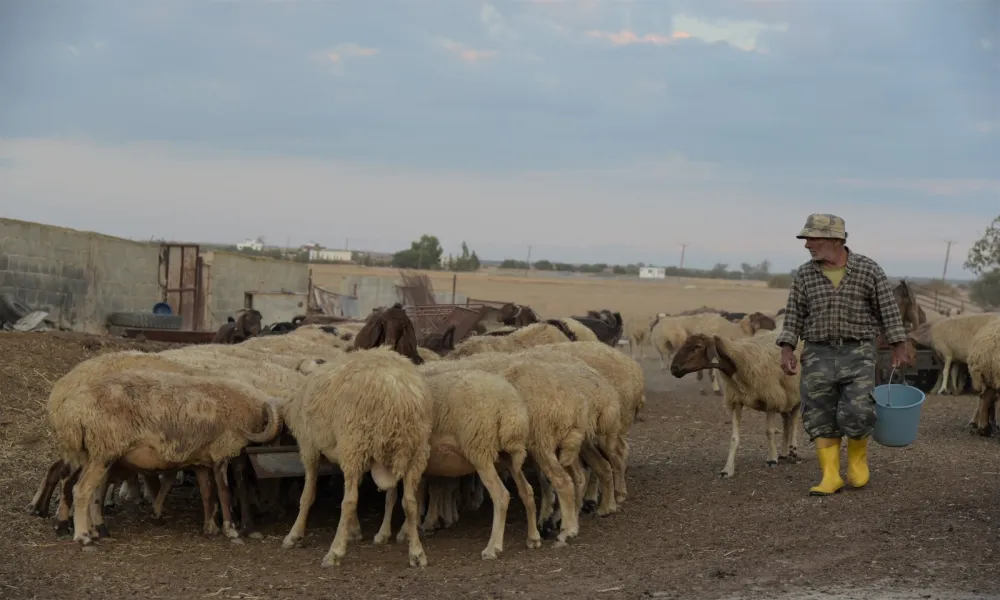
Αφθώδης πυρετός: Οι τρόποι μετάδοσης του ιού- Μπορεί να επηρεάσει τον άνθρωπο;
Feb 24
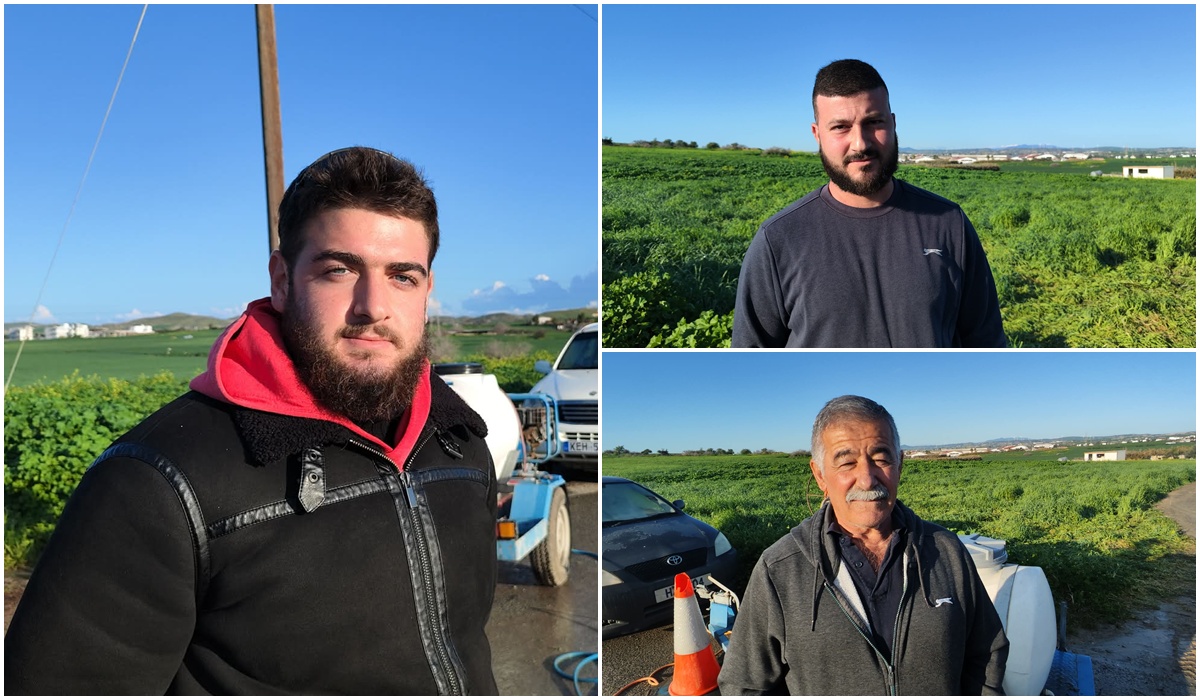
«Ευελπιστούμε να έρθουν τα εμβόλια, να γλιτώσουν τα ζώα μας» – «Τρέχουμε να σάσουμε αυτά που μπορούσαμε να προλάβουμε» – Συγκλονίζουν κτηνοτρόφοι στα Λιβάδια (εικόνες & βίντεο)
Feb 24