Ο αφθώδης πυρετός αποτελεί μία από τις πιο μεταδοτικές ιογενείς ασθένειες των παραγωγικών ζώων παγκοσμίως. Η ταχύτητα με την οποία εξαπλώνεται οφείλεται πρωτίστως στους πολλαπλούς και ιδιαίτερα αποτελεσματικούς τρόπους μετάδοσης του ιού, γεγονός που καθιστά κάθε κρούσμα πιθανή εστία ευρείας επιδημίας.
Πώς μεταδίδεται στα ζώα
Η μεταδοτικότητα του ιού Foot-and-Mouth Disease Virus (FMDV) είναι εξαιρετικά υψηλή. Τα μολυσμένα ζώα αποβάλλουν τον ιό ακόμη και πριν εμφανίσουν συμπτώματα, μέσω σάλιου, ρινικών εκκρίσεων, γάλακτος, κοπράνων και σπέρματος.
Σύμφωνα με τον Παγκόσμιο Οργανισμό για την Υγεία των Ζώων (WOAH), πρόκειται για μία από τις πλέον μεταδοτικές ασθένειες των παραγωγικών ζώων διεθνώς, με σοβαρές συνέπειες στο εμπόριο ζωικών προϊόντων.
Τα κύρια συμπτώματα περιλαμβάνουν υψηλό πυρετό και την εμφάνιση φυσαλίδων (άφθες) στο στόμα, στη γλώσσα, στις οπλές και στους μαστούς. Αν και η θνησιμότητα στα ενήλικα ζώα είναι συνήθως χαμηλή, παρατηρείται σημαντική μείωση παραγωγικότητας, ενώ στα νεαρά ζώα μπορεί να προκληθούν σοβαρές καρδιακές επιπλοκές.
Άμεση επαφή ζώων
Η συχνότερη μορφή μετάδοσης είναι η άμεση επαφή μολυσμένων με υγιή ζώα.
Σε στάβλους, κοινόχρηστους βοσκότοπους, αγορές ζώντων ζώων και κατά τη μεταφορά κοπαδιών, ο ιός μεταδίδεται ταχύτατα μέσω σταγονιδίων και σωματικών υγρών.
Έμμεση μετάδοση μέσω ανθρώπων και εξοπλισμού
Ο ιός μπορεί να επιβιώσει για ημέρες ή και εβδομάδες σε ρούχα, παπούτσια, εργαλεία, ζωοτροφές, οχήματα και επιφάνειες εγκαταστάσεων. Έτσι, εργαζόμενοι, κτηνίατροι ή μεταφορείς μπορούν άθελά τους να λειτουργήσουν ως μηχανικοί φορείς.
Η Ευρωπαϊκή Αρχή για την Ασφάλεια των Τροφίμων επισημαίνει ότι η ανεπαρκής εφαρμογή μέτρων βιοασφάλειας αποτελεί καθοριστικό παράγοντα εξάπλωσης σε εντατικές εκτροφές.
Αερογενής διασπορά
Σε ορισμένες συνθήκες, ιδιαίτερα σε περιοχές υψηλής πυκνότητας εκτροφών, ο ιός μπορεί να μεταφερθεί με τον άνεμο σε αποστάσεις αρκετών χιλιομέτρων.
Στο πλαίσιο αυτό, οι χοίροι θεωρούνται σημαντικοί παράγοντες ενίσχυσης της αερογενούς διασποράς, καθώς αποβάλλουν μεγάλες ποσότητες ιού.
Μέσω ζωικών προϊόντων
Μη παστεριωμένο γάλα, ωμό ή ανεπαρκώς επεξεργασμένο κρέας, καθώς και υπολείμματα τροφίμων που δίνονται σε ζώα, μπορούν να λειτουργήσουν ως πηγή μόλυνσης.
Να σημειωθεί επίσης ότι ιός αντέχει σε χαμηλές θερμοκρασίες και επιβιώνει για μεγάλα χρονικά διαστήματα σε κατεψυγμένα προϊόντα.
Παράλληλα, η παγκοσμιοποίηση του εμπορίου ζώων και ζωικών προϊόντων αυξάνει τον κίνδυνο διασυνοριακής μετάδοσης. Επιπλέον, υπάρχουν επτά βασικοί ορότυποι του ιού, γεγονός που δυσχεραίνει τον καθολικό εμβολιασμό, καθώς η ανοσία σε έναν ορότυπο δεν καλύπτει τους υπόλοιπους.
Μπορεί να μεταδοθεί στον άνθρωπο;
Ο αφθώδης πυρετός σπάνια προσβάλλει τον άνθρωπο. Σύμφωνα με τον WOAH και τον Παγκόσμιο Οργανισμό Υγείας (ΠΟΥ), τα ανθρώπινα κρούσματα είναι εξαιρετικά σπάνια και, όταν συμβαίνουν, συνδέονται συνήθως με άμεση και στενή επαφή με μολυσμένα ζώα ή με εργαστηριακή έκθεση.
Τα συμπτώματα στον άνθρωπο είναι συνήθως ήπια και μπορεί να περιλαμβάνουν πυρετό και φυσαλιδώδεις αλλοιώσεις στο στόμα ή στα χέρια. Η νόσος δεν μεταδίδεται εύκολα από άνθρωπο σε άνθρωπο και δεν θεωρείται απειλή για τη δημόσια υγεία.
Σε αντίθεση με τα προηγούμενα, σύμφωνα με ρεπορτάζ του Σίγμα, ο αφθώδης πυρετός δεν αφορά την ανθρώπινη υγεία αλλά μόνο δίχηλα ζώα, δηλαδή βοοειδή, αιγοπρόβατα και χοίρους.
Συγκεκριμένα, οι Κτηνιατρικές Υπηρεσίες της Κύπρου, διευκρίνισαν ότι δεν μεταδίδεται με κανένα τρόπο στον άνθρωπο ούτε μέσω της κατανάλωσης τροφίμων.
Διαβάστε επίσης: Αφθώδης πυρετός: Κρούσματα σε 11 μονάδες - Επηρεάστηκαν 13000 ζώα
Foot-and-Mouth Disease: Modes of Transmission - Can it Affect Humans?
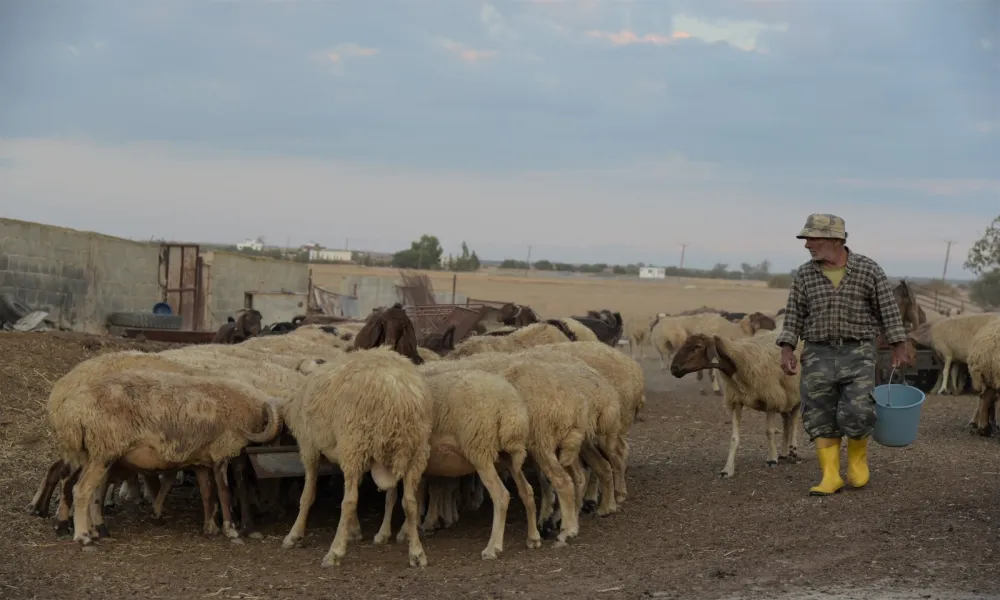
Foot-and-mouth disease is a highly contagious viral disease of productive animals. Its rapid spread is due to the many ways the virus is transmitted, making each case a potential epidemic focus. Transmission occurs through direct contact between animals, indirectly through humans and equipment, airborne, and through animal products. The main symptoms include high fever and the appearance of blisters in the mouth, on the tongue, on the hooves, and on the udders. Mortality in adult animals is usually low, but a decrease in productivity is observed, while young animals may experience serious heart complications. The virus can survive for days or weeks on clothing, shoes, tools, and surfaces, making humans and equipment carriers of the disease. Inadequate implementation of biosecurity measures contributes to the spread of the disease. Foot-and-mouth disease rarely affects humans, with cases usually linked to direct contact with infected animals or laboratory exposure. Symptoms in humans are usually mild and may include fever, fatigue, and sore throat.
You Might Also Like

Τι είναι ο αφθώδης πυρετός που εντοπίστηκε στα Λειβάδια και πώς μεταδίδεται - Είναι επικίνδυνος για τον άνθρωπο;
Feb 20

Αφθώδης πυρετός και σε δύο μεγάλες φάρμες αιγοπροβάτων στην Ορόκλινη – 23 κτηνοτροφικές μονάδες γύρω από τα βοοειδή των Λειβαδιών
Feb 21
Αφθώδης πυρετός: Ξεκίνησε τις έρευνες η Αστυνομία -Τα υπό διερεύνηση αδικήματα
Feb 21

Αφθώδης πυρετός: Αυτές είναι οι οδηγίες προς κτηνοτρόφους Δρομολαξιάς – Μενεού
Feb 22

Όλα όσα πρέπει να γνωρίζετε για τον αφθώδη πυρετό: Μεταδίδεται στον άνθρωπο;
Feb 23