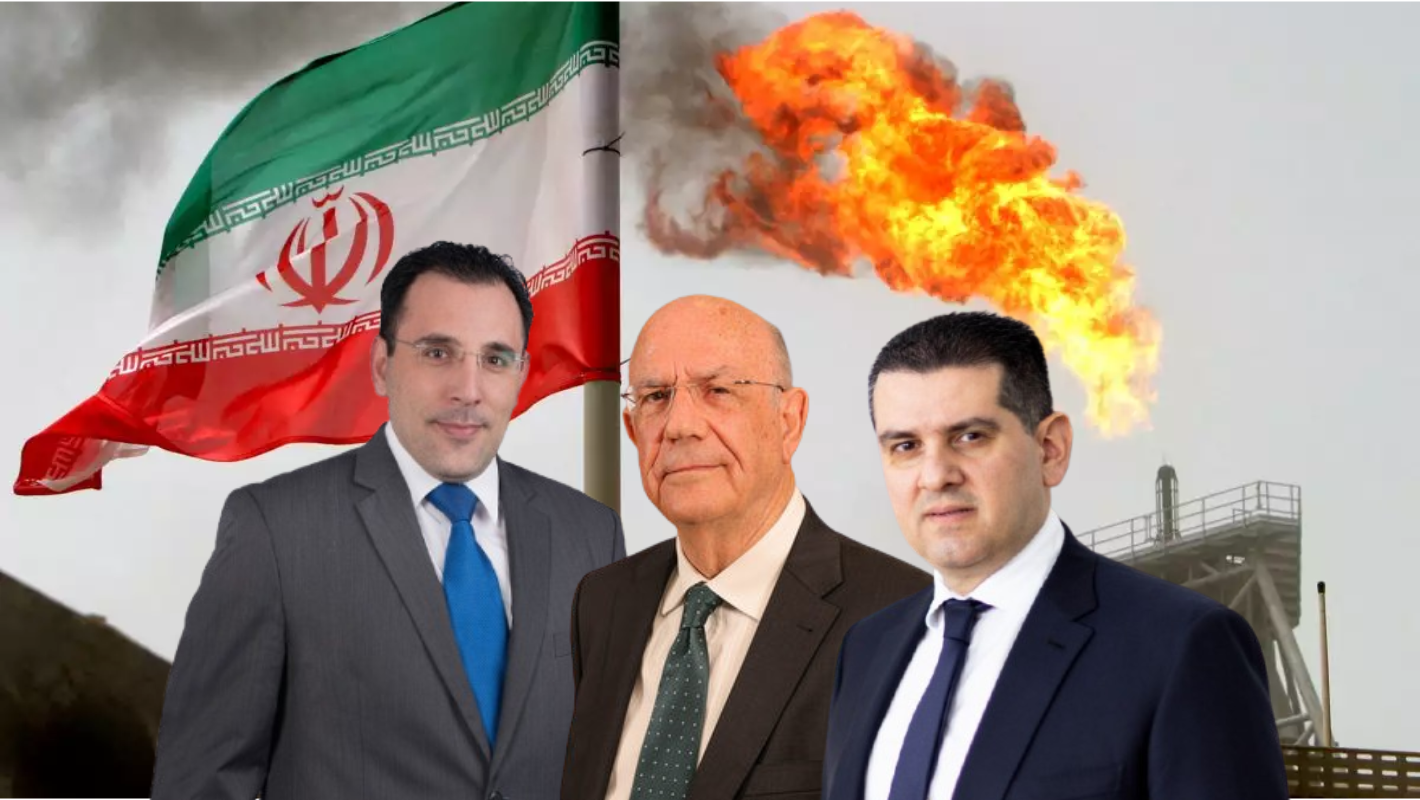
Σε κατάσταση αυξημένης επιφυλακής βρίσκεται η Ευρωπαϊκή Κεντρική Τράπεζα για τις εξελίξεις στο μέτωπο του πολέμου στο Ιράν, οι οποίες ήδη έχουν αρχίσει να αφήνουν το αποτύπωμά τους στα βασικά οικονομικά μεγέθη της ευρωζώνης. Η ανησυχία είναι έντονη στην Φρανκφούρτη για την κλιμάκωση της σύγκρουσης που εκτυλίχθηκε με τους βομβαρδισμούς ενεργειακών εγκαταστάσεων του Ιράν και των άλλων χωρών του Κόλπου τις προηγούμενες ημέρες, οι οποίες έχουν οδηγήσει σε απότομη αύξηση των τιμών του πετρελαίου και του φυσικού αερίου που επιβαρύνουν ήδη τα ευρωπαϊκά νοικοκυριά
Το επιτελείο της ΕΚΤ, προς το παρόν, σύμφωνα με ευρωπαϊκές πηγές, θα περιμένει τους επόμενους μήνες προκειμένου να μπορέσει να εκτιμήσει με ξεκάθαρο τρόπο τη διάρκεια, την ένταση και την ευρύτητα της σύγκρουσης στη Μέση Ανατολή. Δηλαδή, τις κρίσιμες παραμέτρους βάση των οποίων θα προκύψει και το μέγεθος των επιπτώσεων του πολέμου στην ευρωπαϊκή οικονομία. Το βασικό σενάριο των επόμενων κινήσεων της ΕΚΤ προβλέπει ότι μια σαφέστερη εικόνα θα έχει διαμορφωθεί έως τον Ιούνιο. Υπό την προϋπόθεση, βεβαίως, ότι το σενάριο αυτό δεν θα ανατραπεί από ακραίες εξελίξεις στο μέτωπο της Μέσης Ανατολής. Έτσι, αν δεν υπάρξουν δυσμενέστερες ανατροπές, τον Ιούνιο η ΕΚΤ προτίθεται να επανεξετάσει τις αποφάσεις της για τα επιτόκια. Τότε θα κρίνει αν θα λάβει μέτρα για τον πληθωρισμό, δηλαδή αν θα προχωρήσει σε αύξηση του βασικού της επιτοκίου πάνω από το 2% που είναι σήμερα και σε ποιον βαθμό, ώστε να υπάρξει η μικρότερη αρνητική επίπτωση στην ήδη ασθενική ανάπτυξη της ευρωζώνης.
Η άνοδος του πληθωρισμού είναι αυτή τη στιγμή ο μεγαλύτερος κίνδυνος για την ευρωπαϊκή οικονομία. «Οι κίνδυνοι στον πληθωρισμό είναι ανοδικοί, ιδιαίτερα βραχυπρόθεσμα, ενώ μια παρατεταμένη σύγκρουση μπορεί να οδηγήσει σε μια παρατεταμένη αλλαγή στις τιμές ενέργειας, ενισχύοντας ακόμα περισσότερο τον πληθωρισμό», ανέφερε η επικεφαλής της Κριστίν Λαγκάρντ μετά την συνεδρίαση της ΕΚΤ την Πέμπτη. «Αυτό μπορεί να ενισχυθεί αν οι πληθωριστικές προσδοκίες και οι μισθολογικές εξελίξεις επίσης περάσουν σε ανοδική τροχιά». Στο επιτελείο της ΕΚΤ η ανησυχία είναι έντονη για τις επιπτώσεις του πολέμου οι οποίες ήδη αποτυπώνονται στην πραγματική οικονομία με αυξήσεις τιμών ή προαναγγελίες αναπροσαρμογών τιμολογίων από διάφορους κλάδους της οικονομίας. Ωστόσο έχει ληφθεί η απόφαση να μην υπάρξει άμεσα αναπροσαρμογή επιτοκίων προκειμένου να αποφευχθεί μια υπεραντίδραση που θα έβλαπτε την ευρωπαϊκή οικονομία στην περίπτωση που αποδειχθεί ότι η πολεμική σύρραξη θα έχει τελικά μικρότερη διάρκεια από τα δυσμενέστερα σενάρια.
Σε κάθε περίπτωση κοινή διαπίστωση είναι ότι τουλάχιστον το 2026 η ανάπτυξη θα κινηθεί σε χαμηλότερα επίπεδα και ο πληθωρισμός σε υψηλότερα από τις αρχικές προβλέψεις, λόγω του πολέμου. Το βασικό σενάριο της ΕΚΤ, που αναθεωρήθηκε με βάση τις τελευταίες εξελίξεις, προβλέπει ότι η αύξηση του ΑΕΠ στην ευρωζώνη θα κυμανθεί φέτος στο 0,9% από 1,2% αρχικής πρόβλεψης και ο πληθωρισμός θα ανέβει στο 2,6% από 1,9%. Και αυτές ωστόσο οι προβλέψεις μπορεί να ανατραπούν ανάλογα με τις εξελίξεις στις αγορές εμπορευμάτων και στη εφοδιαστική αλυσίδα που σχετίζονται με το διάστημα που θα παραμείνουν κλειστά τα στενά του Χορμούζ, με τις προσδοκίες των επιχειρήσεων για την αύξηση του κόστους τους, αλλά και την συμπεριφορά των καταναλωτών απέναντι στα αυξημένα επίπεδα των τιμών.
Η μεγαλύτερη άμεση απειλή για την οικονομία από τον πόλεμο στην Μέση Ανατολή αφορά τις τιμές της ενέργειας. Το κλείσιμο των στενών του Χορμούζ μέσω των οποίων διεξάγεται το 20% του παγκόσμιου εμπορίου πετρελαίου αλλά και το 20% των θαλάσσιων φορτίων υγροποιημένου φυσικού αερίου, εκτίναξε την τιμή του πετρελαίου σε επίπεδα πάνω από τα 110 δολάρια το πετρέλαιο. Όσο διαρκεί ο αποκλεισμός τόσο πιο έντονες θα είναι οι επιπτώσεις στις τιμές της ενέργειας.
Ο δεύτερος μεγάλος κίνδυνος αφορά τη ναυτιλία. Η πολεμική σύρραξη στη Μέση Ανατολή έχει ήδη αυξήσει τους χρόνους παράδοσης και το κόστος μεταφοράς των εμπορευμάτων μέσω των τάνκερ, με ιδιαίτερη επιβάρυνση για την Ευρώπη λόγω της εξάρτησής της από τη διαδρομή Ασίας-Ευρώπης μέσω Σουέζ.
Ο τρίτος μεγάλος κίνδυνος είναι η μεγάλη αβεβαιότητα που προκαλούν οι εξελίξεις αυτές για την πορεία της οικονομίας, η οποία με τη σειρά της οδηγεί σε αναβολή αποφάσεων για επενδύσεις και κατανάλωση.
What and When Will Judge the ECB's Next Moves on Interest Rates
The European Central Bank (ECB) is in a state of heightened alert regarding developments in the war in Iran, which are already leaving their mark on the key economic indicators of the Eurozone. Concern is high in Frankfurt over the escalation of the conflict that unfolded with the bombing of energy facilities in Iran and other Gulf countries in recent days, which has led to a sharp increase in oil and natural gas prices, burdening European households. The ECB staff, for the time being, according to European sources, will wait for the next few months in order to be able to clearly assess the duration, intensity and breadth of the conflict in the Middle East. That is, the critical parameters on which the size of the war's impact on the European economy will be based. The main scenario for the ECB's next moves predicts that a clearer picture will be formed by June. Provided, of course, that this scenario is not overturned by extreme developments in the Middle East. Thus, if there are no adverse developments, in June the ECB intends to review its decisions on interest rates. Then it will judge whether to take measures for inflation, i.e. whether to increase its basic interest rate above the current 2% and to what extent, so that there is the least negative impact on the already weak growth of the Eurozone. The rise in inflation is currently the biggest risk to the European economy. “Risks to inflation are upward, particularly in the short term, while a prolonged conflict could lead to a prolonged change in energy prices, further boosting inflation,” said ECB President Christine Lagarde after the ECB meeting on Thursday. “This could be reinforced if inflationary expectations and wage developments also move in an upward direction.” At the ECB headquarters, there is great concern about the effects of the war, which are already reflected in the real economy with price increases or announcements of price adjustments from various sectors of the economy. However, a decision has been made not to adjust interest rates immediately in order to avoid an overreaction that would harm the European economy if the military conflict ultimately proves to be shorter than the worst-case scenarios. In any case, a common finding is that at least in 2026 growth will move at lower levels and inflation at higher levels than initial forecasts, due to the war. The ECB's basic scenario, which was revised based on the latest developments, predicts that GDP growth in the Eurozone will be around 0.9% this year, from an initial forecast of 1.2%, and inflation will rise to 2.6% from 1.9%. And these predictions, however…