Ο Γάλλος καθηγητής, ηφαιστειολόγος, χαρτογράφος, Frédéric Leone που εργάζεται στο Πανεπιστήμιο Paul Valéry του Μονπελιέ, και εξειδικεύεται στο κομμάτι των γεωπεριβαλλοντικών κινδύνων και «φυσικών» καταστροφών, ανέλυσε στο περιοδικό «The Conversation» τον μικρό, παρά ταύτα υπαρκτό κίνδυνο της εκδήλωσης τσουνάμι στη Μεσόγειο Θάλασσα.
Εξηγώντας το σκεπτικό του, τονίζει πως η Μεσόγειος συχνά θεωρείται περιοχή χαμηλού κινδύνου για τσουνάμι. Ωστόσο, ιστορικά δεδομένα και σύγχρονες προσομοιώσεις δείχνουν ότι καταστροφικά κύματα έχουν ήδη πλήξει τις γαλλικές ακτές και θα μπορούσαν να το κάνουν ξανά.
Έρευνα που πραγματοποιήθηκε στη Νίκαια και στη Γαλλική Ριβιέρα καταδεικνύει ότι η πρόληψη και τα οργανωμένα σχέδια εκκένωσης αποτελούν τον πιο αποτελεσματικό τρόπο προστασίας ανθρώπινων ζωών.
Μεσόγειος: Τι είναι τα τσουνάμι και πώς προκαλούνται
Τα τσουνάμι, γνωστά παλαιότερα ως παλιρροϊκά κύματα, είναι από τα πιο καταστροφικά φυσικά φαινόμενα. Προκαλούνται από σεισμούς, υποθαλάσσιες κατολισθήσεις ή ηφαιστειακές εκρήξεις και μπορούν να διανύσουν μεγάλες αποστάσεις πριν πλήξουν τις ακτές με αιφνίδια πλημμύρα και ισχυρά ρεύματα.
Η ένταση του φαινομένου μπορεί να κυμαίνεται από λίγα εκατοστά έως αρκετά μέτρα, ενώ τα κύματα εμφανίζονται διαδοχικά και όχι απαραίτητα με το μεγαλύτερο να έρχεται πρώτο. Η πίεση που ασκείται στις υποδομές μπορεί να φτάσει πολλούς τόνους ανά τετραγωνικό μέτρο.
Από το 1970, τα τσουνάμι έχουν προκαλέσει πάνω από 250.000 θανάτους παγκοσμίως, με χαρακτηριστικά παραδείγματα το τσουνάμι του 2004 στον Ινδικό Ωκεανό και εκείνο της Ιαπωνίας το 2011.
Η Μεσόγειος δεν είναι «ασφαλής» από τα τσουνάμι, σύμφωνα με ειδικούς
Στη συλλογική αντίληψη, τα τσουνάμι συνδέονται κυρίως με τον Ειρηνικό και τον Ινδικό Ωκεανό. Ωστόσο, η Μεσόγειος έχει καταγράψει σημαντικό αριθμό τέτοιων φαινομένων.
Σύμφωνα με την UNESCO, υπάρχει 100% πιθανότητα να σημειωθεί τσουνάμι ύψους τουλάχιστον ενός μέτρου στη Μεσόγειο μέσα στα επόμενα 30 χρόνια. Μετά τον Ειρηνικό, η Μεσόγειος είναι η περιοχή με τα περισσότερα ιστορικά καταγεγραμμένα τσουνάμι, αρκετά από τα οποία έχουν επηρεάσει τη Γαλλική Ριβιέρα.
Μόνο στη θαλάσσια περιοχή της Νίκαιας έχουν καταγραφεί περίπου 20 περιστατικά από τον 16ο αιώνα έως τις αρχές του 2000, με κύματα που συχνά ξεπερνούσαν τα δύο μέτρα.
Μεσόγειος: Ελάχιστος χρόνος αντίδρασης απέναντι στα τσουνάμι
Οι πηγές τσουνάμι στη Μεσόγειο μπορεί να είναι κοντινές ή απομακρυσμένες. Σε ορισμένες περιπτώσεις, τα πρώτα κύματα μπορούν να φτάσουν σε λιγότερο από 10 λεπτά, ειδικά όταν πρόκειται για σεισμούς ή κατολισθήσεις κοντά στις ακτές.
Αντίθετα, τσουνάμι που προκαλούνται στη Βόρεια Αφρική μπορούν να φτάσουν στη Γαλλική Ριβιέρα μέσα σε λιγότερο από 90 λεπτά. Χαρακτηριστικό παράδειγμα είναι ο σεισμός στο Μπουμερντές της Αλγερίας το 2003, που προκάλεσε φαινόμενα σε όλη τη γαλλική ακτογραμμή, με επιπτώσεις να καταγράφονται περίπου 75 λεπτά μετά.
Το 1979, στη Νίκαια, υποθαλάσσια κατολίσθηση προκάλεσε τσουνάμι που κόστισε τη ζωή σε οκτώ ανθρώπους και προκάλεσε σοβαρές ζημιές. Αντίστοιχα, το 1887 στη Λιγουρία, η θάλασσα υποχώρησε απότομα πριν επιστρέψει με κύμα σχεδόν δύο μέτρων.
Τα περιστατικά αυτά δείχνουν πόσο αιφνιδιαστικά είναι τα φαινόμενα και πόσο περιορισμένος είναι ο χρόνος αντίδρασης.
Αξίζει να αναφερθεί πως η Γαλλία διαθέτει σύστημα έγκαιρης προειδοποίησης για τσουνάμι από το 2012, σε συνεργασία με την UNESCO. Το σύστημα μπορεί να εντοπίσει σεισμούς και να αποστείλει ειδοποιήσεις μέσα σε 15 λεπτά.
Ωστόσο, αυτό αφορά κυρίως τσουνάμι που προέρχονται από μακρινές περιοχές. Σε τοπικά φαινόμενα, ο χρόνος προειδοποίησης μπορεί να είναι μικρότερος από τον χρόνο άφιξης του κύματος.
Για τον λόγο αυτό, οι πολίτες πρέπει να γνωρίζουν βασικά σημάδια κινδύνου, όπως σεισμούς, ασυνήθιστη υποχώρηση της θάλασσας ή έντονα ρεύματα.
Τσουνάμι: Η Νίκαια στο επίκεντρο του κινδύνου
Στη Γαλλική Μεσόγειο έχει οριστεί ζώνη εκκένωσης για περιοχές με υψόμετρο κάτω των 5 μέτρων και απόσταση έως 200 μέτρα από τη θάλασσα (ή 500 μέτρα σε εκβολές ποταμών).
Συνολικά, περίπου 164.000 κάτοικοι και έως 835.000 επισκέπτες το καλοκαίρι θα μπορούσαν να επηρεαστούν. Η Νίκαια θεωρείται ιδιαίτερα ευάλωτη λόγω της πυκνής δόμησης, της έντονης τουριστικής δραστηριότητας και των πολυσύχναστων παραλιών.
Ο ειδικός επισημαίνει πως η εκκένωση αποτελεί τον πιο αποτελεσματικό τρόπο προστασίας. Στη Νίκαια, έχει ήδη αναπτυχθεί ολοκληρωμένη στρατηγική με επιστημονική υποστήριξη, που περιλαμβάνει μεταξύ άλλων χαρτογράφηση ασφαλών διαδρομών διαφυγής, υπολογισμό χρόνων μετακίνησης και σημείων συμφόρησης και καθορισμό περίπου 100 ασφαλών σημείων καταφυγής.
Οι διαδρομές έχουν σχεδιαστεί ώστε να οδηγούν με τον ταχύτερο δυνατό τρόπο τους πολίτες σε περιοχές εκτός κινδύνου.
Καταλήγοντας, διευκρινίζει πως η ενημέρωση των πολιτών θεωρείται κρίσιμη. Στη Νίκαια έχουν ήδη εγκατασταθεί πινακίδες ενημέρωσης για τον κίνδυνο τσουνάμι, ενώ λειτουργούν ψηφιακοί χάρτες με οδηγίες εκκένωσης. Ασκήσεις ετοιμότητας και εκπαιδευτικά προγράμματα, ιδιαίτερα σε σχολεία, συμβάλλουν στην ανάπτυξη κουλτούρας πρόληψης.
Με πληροφορίες από The Conversation/lifo.gr
Tsunami Risk in the Mediterranean: Why Nice, France Needs an Evacuation Plan
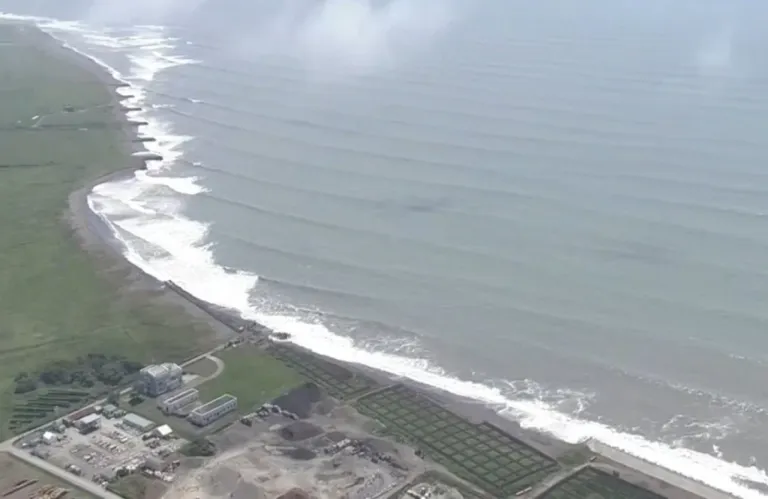
Professor of volcanology Frédéric Leone analyzes the risk of tsunamis in the Mediterranean, pointing out that, despite the common perception of low risk, historical data and simulations show that destructive waves have already hit the French Riviera and could do so again. Research in Nice highlights the importance of prevention and evacuation plans to protect human lives. Tsunamis are caused by earthquakes, underwater landslides, or volcanic eruptions and can travel long distances, causing sudden floods and strong currents. Their intensity can vary, with pressure on infrastructure reaching many tons per square meter. Since 1970, tsunamis worldwide have caused over 250,000 deaths. The Mediterranean, although often overlooked, has recorded a significant number of tsunamis. According to UNESCO, there is a 100% probability of a tsunami of at least one meter in height occurring in the Mediterranean in the next 30 years. This region is the second most historically recorded area for tsunamis, after the Pacific Ocean. In Nice, approximately 20 tsunami events have been recorded since the 16th century, with waves often exceeding two meters. The response time to a tsunami in the Mediterranean is limited, as the first waves can arrive in less than 10 minutes in the event of earthquakes or landslides near the coasts. Even tsunamis triggered in North Africa can reach the French Riviera in less than 90 minutes.