*Γιώργου Ατσαλάκη
Πριν το τέλος της δεκαετίας του 1980, η Βενεζουέλα ήταν ένα θαύμα. Είχε μια σταθερή δημοκρατία όπου η εξουσία άλλαζε ειρηνικά κάθε πέντε χρόνια. Είχε μια αναπτυσσόμενη μεσαία τάξη που είχε αυτοκίνητα και σπίτια. Και πάνω απ' όλα, είχε ωκεανούς πετρελαίου.
Οι Βενεζουελάνοι άρχισαν να ξοδεύουν αστρονομικά ποσά σε πολυτελή εμπορεύματα, ακίνητα, ταξίδια και διασκέδαση. Η εικόνα αυτή, πέρα από τον θρύλο του καταναλωτισμού, έκρυβε μια ιστορία αλλαγής των παραγωγικών κινήτρων της κοινωνίας, οικονομικών αποφάσεων, και διεθνών ανατροπών που μεταμόρφωσαν τη Βενεζουέλα. Δεν μπορούσαν να καταλάβουν ότι το πετρέλαιο φέρνει προβλήματα. Φέρνει σπατάλη και κρατική διαφθορά.
Η άφιξη του πετρο-πλούτου ήταν απότομη και εκρηκτική. Μετά το 1973 και την πετρελαϊκή κρίση, η τιμή του πετρελαίου τετραπλασιάστηκε από 3 σε 12 δολάρια, τα δημόσια έσοδα εκτοξεύτηκαν, τα συναλλαγματικά αποθέματα γέμισαν και στο Υπουργείο Οικονομικών της Βενεζουέλας άρχισαν να στοιβάζονται σακούλες με δολάρια. Ο τότε Πρόεδρος Κάρλος Άνδρες Πέρες επιχείρησε να κάνει τη «Μεγάλη Βενεζουέλα». Το σχέδιό του ήταν τολμηρό. Εθνικοποίησε τον πετρελαϊκό τομέα, ο οποίος ακόμη και τότε λειτουργούσε από αμερικανικές εταιρείες όπως οι Exxon και Shell, κατασκεύασε μεγάλα έργα υποδομής (φράγμα Γκουρί, μετρό Καράκας), έδωσε υποτροφίες για σπουδές στο εξωτερικό και μαζικές εισαγωγές καταναλωτικών αγαθών. Για ένα διάστημα, το έργο φαινόταν να πετυχαίνει: ουρανοξύστες, ακριβές εισαγωγές και μια μεσαία τάξη που ταξίδευε και ξόδευε ανενόχλητα.
Αδύναμα θεμέλια
Αλλά τα θεμέλια του θαύματος ήταν αδύναμα. Οι πολιτικές δαπάνες και οι επιδοτήσεις μεγάλωσαν ραγδαία, ενώ η παραγωγή αγαθών και η αγροτική δραστηριότητα συρρικνώνονταν λόγω της «ολλανδικής νόσου»: το ποτάμι των πετροδολαρίων ενίσχυσαν το νόμισμα της χώρας, το μπολιβάρ, με αποτέλεσμα να γίνουν φθηνές οι εισαγωγές και ακριβές οι εγχώριες εξαγωγές. Έτσι ο αγρότης της Βενεζουέλας δεν είχε κίνητρο να καλλιεργήσει π.χ. καλαμπόκι όταν μπορούσε να εισάγει καλαμπόκι με το μισό κόστος. Ούτε η μεταποίηση κατασκεύαζε εργοστάσια π.χ. ρούχων όταν μπορούσαν να τα εισαγάγουν για ψίχουλα. Ο παραγωγικός ιστός της χώρας άρχισε να σβήνει με τη γεωργία να καταρρέει καθώς τα χωράφια εγκαταλείφθηκαν και οι αγρότες μετακινήθηκαν στις πόλεις για να κατοικήσουν και να επιβιώνουν από κρατικές επιδοτήσεις του πετρελαίου. Άρχισε να εισάγει τα πάντα και εθίστηκε στις εισαγωγές.
Επιπλέον, το κράτος μετατράπηκε σε κύριο εργοδότη· η γραφειοκρατία φούσκωνε και τα δημόσια έργα συχνά γίνονταν λάφυρα για δίκτυα διαφθοράς. Η κουλτούρα της σκληρής δουλειάς και της οικονομίας που χαρακτήριζε την παλαιότερη γενιά αντικαταστάθηκε από την κουλτούρα του εύκολου χρήματος. Αν χρειαζόσουν δουλειά, έβρισκες στο Δημόσιο και κυρίως στις εθνικοποιημένες πετρελαϊκές επιχειρήσεις μετά το 1976. Το κράτος έγινε ο πατέρας, η μητέρα και ο εργοδότης του έθνους.
Οι πόροι του πετρελαίου δεν ήταν αρκετοί να καλύψουν τις τεράστιες δημόσιες δαπάνες και προώθησαν τον δανεισμό από το εξωτερικό με όρους που φάνταζαν κερδοφόροι, αλλά υπήρχαν κρυπτόμενοι κίνδυνοι από τα κυμαινόμενα επιτόκια.
Άρχισαν να δανείζονται μανιωδώς: για να χρηματοδοτήσουν τεράστια έργα υποδομής, για να επιδοτούν τις εισαγωγές ώστε ο κόσμος να συνεχίσει να αγοράζει φτηνό ουίσκι και τηλεοράσεις, για να καλύπτουν τη διαφθορά που αδειάζει τα δημόσια ταμεία. Η διαφθορά ήταν κολοσσιαία. Όταν τόσο χρήμα ρέει μέσα σε ένα σύστημα χωρίς επαρκείς θεσμικούς ελέγχους, προκαλεί τα χέρια των ανθρώπων. Κυβερνητικά συμβόλαια δινόταν σε φίλους του κόμματος. Στοιχειώδεις εταιρείες ιδρύθηκαν για να λαμβάνουν δάνεια που ποτέ δεν αποπληρώνονταν κ.λπ.
Οι κυβερνήσεις υπολόγιζαν ότι εάν δανειστούν, ο πληθωρισμός και οι αυξανόμενες τιμές του πετρελαίου θα κάνουν το χρέος να εξαφανιστεί και νόμιζαν ότι το χρήμα είναι δωρεάν, ότι είναι μόχλευση.
Οι όροι των δανείων ήταν κρίσιμοι: μεγάλα ποσά χορηγήθηκαν με κυμαινόμενα επιτόκια δεμένα στην πορεία των διεθνών επιτοκίων. Ώς το τέλος της δεκαετίας του '80, η Βενεζουέλα είχε το υψηλότερο δημόσιο χρέος ανά κάτοικο στον κόσμο.
Μια υποθηκευμένη χώρα
Το 1979 ανέλαβε νέος Πρόεδρος, ο Λουίς Ερέρα Κάμπενς λέγοντας τη φράση: «Κληρονομώ μια υποθηκευμένη χώρα». Τα έξοδα του κράτους ήταν σχεδόν διπλάσια από τα έσοδα. Η ορμή των δημοσίων δαπανών ήταν τεράστια. Δεν μπορούσε να μειώσει τις δημόσιες δαπάνες επιβάλλοντας λιτότητα. Οπότε συνέχισε να δανείζεται με ολοένα και μεγαλύτερα επιτόκια καθώς οι δανειστές έβλεπαν την επερχόμενη αδυναμία πληρωμών καθώς δανειζόταν και για την πληρωμή των τόκων. Το κράτος ξόδευε σαν να μην υπάρχει αύριο.
Στην αρχή, με το χρήμα φθηνό, η μόχλευση φαινόταν αμελητέα· ωστόσο, όταν στις ΗΠΑ η Fed υπό την ηγεσία του Volcker, το 1981, αύξησε τα επιτόκια σε επίπεδα ρεκόρ στο 20% για να εξαλείψει τον εγχώριο πληθωρισμό, ο λογαριασμός ήρθε ξαφνικά βαρύς. Οι τόκοι που έπρεπε να αποπληρώσει η Βενεζουέλα πολλαπλασιάστηκαν λόγω της ανόδου των επιτοκίων (από 5% σε 20%), ενώ ταυτόχρονα οι τιμές στην παγκόσμια αγορά πετρελαίου άρχισαν να μειώνονται λόγω νέων πηγών που αύξαναν την προσφορά και λόγω μειωμένης ζήτησης. Το τέλος ήρθε με την κρίση στα συναλλαγματικά αποθέματα, όταν εξανεμίστηκαν από τις πληρωμές των εισαγόμενων αγαθών και των δανείων. Τα δάνεια έγιναν μη βιώσιμα.
Το αρνητικό σοκ κορυφώθηκε στη «Μαύρη Παρασκευή» της 18ης Φεβρουαρίου 1983 όταν η κυβέρνηση ανακοίνωσε ότι δεν μπορούσε πλέον να υπερασπιστεί την ισοτιμία του μπόλιβαρ. Το νόμισμα υποτιμήθηκε χάνοντας τη μισή του αξία σε μια νύχτα και πολίτες και επιχειρήσεις βρέθηκαν ξαφνικά προ εκπλήξεων και χρεών που πολλαπλασιάστηκαν.
Το 1989, ο ήρωας της Βενεζουέλας του 1974-79, ο Κάρλος Άνδρες Πέρες, ανέλαβε την εξουσία με εντελώς άδεια δημόσια ταμεία.
Το κράτος, πλέον, στράφηκε στο Διεθνές Νομισματικό Ταμείο, η βοήθεια των $4,5 δισ. ήρθε με σκληρούς όρους: περικοπές δημοσίων δαπανών, άρση επιδοτήσεων και ιδιωτικοποιήσεις. Η επιλογή αυτή πυροδότησε κοινωνικές εκρήξεις και αποσταθεροποίηση Ήταν η οργή ενός λαού που του είχαν υποσχεθεί παράδεισο χωρίς να παράγει, να ζει από τα επιδόματα του πετρελαίου, αλλά τελικά του είχαν δώσει λιτότητα. Ο πλούτος είχε αποβεί παγίδα, η Βενεζουέλα δανείστηκε από το μέλλον των επόμενων γενεών, έχοντας υποθηκεύσει τη σταθερότητά της.
Η άνοδος Τσάβες
Ο δρόμος για τον πολιτικό ριζοσπαστισμό που αργότερα θα εκφραζόταν με την άνοδο του Ούγκο Τσάβες είχε ανοίξει. Ο λοχαγός Τσάβες, το 1992 έκανε πραξικόπημα, παρότι το πραξικόπημα απέτυχε και ο ίδιος φυλακίστηκε, κέρδισε ευρεία απήχηση. Απελευθερωθείς δύο χρόνια αργότερα, κατόρθωσε να μεταφράσει την κοινωνική οργή σε πολιτικό κεφάλαιο και, μέσα από οργανωμένη εκστρατεία, να αναδειχθεί Πρόεδρος το 1998, σηματοδοτώντας την έναρξη της Μπολιβαριανής Επανάστασης.
Ο Τσάβες επαναέγραψε το Σύνταγμα, μετονόμασε τη χώρα σε «Μπολιβαριανή Δημοκρατία της Βενεζουέλας», κατήργησε τα όρια των θητειών, συγκεντρώνοντας την εξουσία στα δικά του χέρια. Επιδίωξε να οικοδομήσει έναν συνασπισμό αντιαμερικανικών κρατών για να αμφισβητήσει την υπεροχή της Ουάσινγκτον στην ημισφαίριο και να κάνει τη Μεγάλη Βενεζουέλα, πιστός στο όραμα του Μπολιβάρ. Συγκρότησε βαθιά στρατηγική συμμαχία με την Κούβα, το Ιράν και με τη Ρωσία (αντικατέστησε τον αμερικάνικο στρατιωτικό εξοπλισμό με ρωσικό). Άνοιξε τις πόρτες στην Κίνα, και απέκτησε στρατηγική βάση στον ενεργειακό τομέα της Νότιας Αμερικής.
Το 2013 ο Ούγκο Τσάβες πριν τον θάνατό του όρισε διάδοχό του, τον Νικόλας Μαδούρο. Από τότε το ΑΕΠ της Βενεζουέλας κατέρρευσε (από $370 δισ. το 2012 στα $42 δισ. το 2020). Έκτοτε λόγω της αύξησης των τιμών της ενέργειας το ΑΕΠ έφθασε στα $110 δισ. το 2025 αλλά εξακολουθεί να έχει πτώση κατά 70% από το 2012. Τα επιτόκια της Κεντρικής Τράπεζας έφθασαν το 60%, ο πληθωρισμός πάνω 170%, το δημόσιο χρέος 150% του ΑΕΠ. Ο πραγματικός μισθός κατέρρευσε σε επίπεδα που καθιστούσαν την επιβίωση εξαιρετικά δύσκολη. Η έλλειψη τροφής και η υποσιτισμός μετατράπηκαν σε καθημερινή πραγματικότητα για πολλούς πολίτες, το σύστημα υγείας διαλυόταν και εκατομμύρια άνθρωποι αναζήτησαν καταφύγιο στο εξωτερικό προκαλώντας πρωτοφανείς μεταναστευτικές ροές στο εξωτερικό (πάνω από το 1/3 του πληθυσμού μετανάστευσε). Τα άλλοτε εργοστάσια πετρελαίου που παρήγαγαν 3 εκατ. βαρέλια ημερησίως, έφθασαν να παράγουν μόνο 1 εκατ. ημερησίως καθώς δεν υπήρχαν χρήματα να επισκευαστούν. Το εμπόριο ναρκωτικών και το λαθρεμπόριο χρυσού κ.λπ., άρχισαν να ανατέλλουν.
Κοινωνική διάσταση της κρίσης
Η κοινωνική διάσταση της κρίσης της Βενεζουέλας είναι εξίσου σημαντική με την οικονομική. Ξαφνικά η κοινωνία είδε τη μείωση των μισθών, τη στέρηση των υποτροφιών, τις ακυρώσεις πτήσεων - όλα τα σύμβολα μιας αιφνιδιαστικής φτώχειας για όσους πίστεψαν στην αιώνια αφθονία. Η εικόνα του σύγχρονου Καράκας με φουσκωμένους ουρανοξύστες δίπλα σε ρημαγμένες συνοικίες, παρέμεινε ως διαρκές μνημείο των ανορθολογικών επιλογών και της κακής διαχείρισης: ξοδεύτηκε πολύ σε «μπετόν και εισαγόμενα» και ελάχιστα σε ανθρώπινο κεφάλαιο και βιώσιμη παραγωγή.
Υπάρχει, ωστόσο, και μια ευρύτερη ηθική και πολιτική ανάγνωση. Η εμπειρία της Βενεζουέλας αποδεικνύει ότι ο φυσικός πλούτος δεν αρκεί για να εξασφαλίσει μακροπρόθεσμη ευημερία. Απαιτείται θεσμική ωριμότητα, λογοδοσία και επένδυση σε παραγωγικές δομές. Οι τράπεζες και οι διεθνείς χρηματοπιστωτικοί μηχανισμοί κέρδισαν στην άνοδο και στην κάθοδο, οι ντόπιες ελίτ και η κρατική διαφθορά επωφελήθηκαν βραχυπρόθεσμα, αλλά το κοινωνικό κόστος μεταφέρθηκε στα φτωχότερα στρώματα της κοινωνίας και στις επόμενες γενιές.
Η ιστορία αυτή διδάσκει, πρώτον την ανάγκη για δημοσιονομική προσοχή και για σταθεροποιητικά αποθεματικά που να λειτουργούν ως «μαξιλάρια» σε περιόδους πτώσης των τιμών. Δεύτερον, η σημασία της διαφοροποίησης της παραγωγής και της επένδυσης σε ανθρώπινο κεφάλαιο αντί για ευκαιριακές εισαγωγές. Τρίτον, η κρίσιμη αξία της διαφάνειας και της λογοδοσίας στη διαχείριση των εθνικών πόρων ώστε να αποφευχθεί η παγίδα της πελατειακής διακυβέρνησης. Τέλος, η διεθνής πλευρά: οι όροι δανεισμού και οι ρήτρες πρέπει να σχεδιάζονται λαμβάνοντας υπόψη και τα εξωγενή χρηματοοικονομικά σοκ - γιατί, όπως απέδειξε η ιστορία, ένα σημαντικά αυξανόμενο επιτόκιο σε μια άλλη ήπειρο μπορεί να σημαίνει οικονομική καταστροφή σε μια εξαρτώμενη χώρα.
Η Βενεζουέλα παραμένει, τελικά, μια διδακτική αλλά και πικρή υπενθύμιση ότι ο πλούτος γίνεται πραγματική δύναμη μόνο όταν συνοδεύεται από θεσμούς που τον κάνουν παραγωγικό, διαρκή και δίκαιο. Η μνήμη των ουρανοξυστών, των αποτυχημένων έργων και των χαμένων χρημάτων είναι πίσω από κάθε σύγχρονο πολιτικό αφήγημα στη Βενεζουέλα, και επηρεάζει τόσο τις πολιτικές επιλογές όσο και τους πολίτες που εξακολουθούν να προσπαθούν να συμφιλιωθούν με την κληρονομιά μιας εποχής που έμοιαζε με αιώνια γιορτή, αλλά κατέληξε σε τραγικό λογαριασμό.
Μια παρόμοια εμπειρία έζησε και η Ελλάδα, όταν ο υπερδανεισμός του Δημοσίου την περίοδο 1980-2009 που σπαταλήθηκε για καταναλωτικές δαπάνες και όχι για επενδύσεις, μας προσγείωσε στην πραγματικότητα και μάλιστα χωρίς να έχουμε εξορύξει πετρέλαιο ή φυσικό αέριο. Οι πολιτικοί θα πρέπει να αναγνώσουν σωστά τα διδάγματα της υπερχρέωσης του Δημοσίου και της σπάταλης του δημόσιου χρήματος για εξαγορά ψήφων. Ούτε ο πετρελαϊκός πλούτος δεν φθάνει να αποτρέψεις την κακοδιαχείριση και την υπερχρέωση μιας χώρας. Τα δάνεια που λήφθηκαν ενάντια στο μέλλον των παιδιών μας, και οι δόσεις αυτών των δανείων εξακολουθούν να πληρώνονται σήμερα με τη μορφή της φτώχειας, της μετανάστευσης και της καταστροφής του παραγωγικού ιστού. Ελπίζουμε ότι οι εξορύξεις φυσικού αερίου να μην φέρουν σπατάλη και διαφθορά στην Ελλάδα.
*Οικονομολόγου, αναπληρωτή καθηγητή Πολυτεχνείου Κρήτης, Εργαστήριο Επιστημονικών Δεδομένων
The 'Curse' of Oil
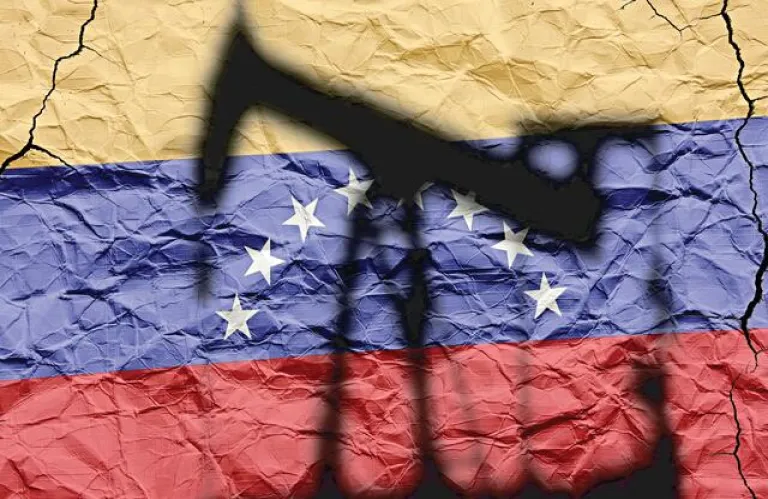
The article analyzes the 'curse of oil' and how oil wealth destroyed Venezuela. Before 1980, Venezuela was a model of stable democracy and economic development. After the sudden rise in oil prices in 1973, the country sank into wastefulness, state corruption, and economic dependence. Then-President Carlos Andrés Pérez nationalized the oil sector and launched an ambitious modernization program, but the foundations were weak. The 'Dutch disease' – the strengthening of the currency due to petrodollars – made imports cheap and exports expensive, leading to a decline in domestic production and agriculture. The state became the dominant employer, resulting in bureaucracy and corruption. The culture of hard work was replaced by the culture of easy money. The excessive dependence on oil led to foreign borrowing and economic instability. When oil prices fell, Venezuela was unable to meet its obligations and plunged into crisis. The lack of economic diversification and the inability to create a sustainable productive fabric proved fatal. The article concludes that oil, instead of bringing prosperity, destroyed Venezuela, creating a society dependent on state subsidies and imported goods. Venezuela's story is a cautionary tale for countries with abundant natural resources, warning of the dangers of waste, corruption, and economic monoculture.
You Might Also Like
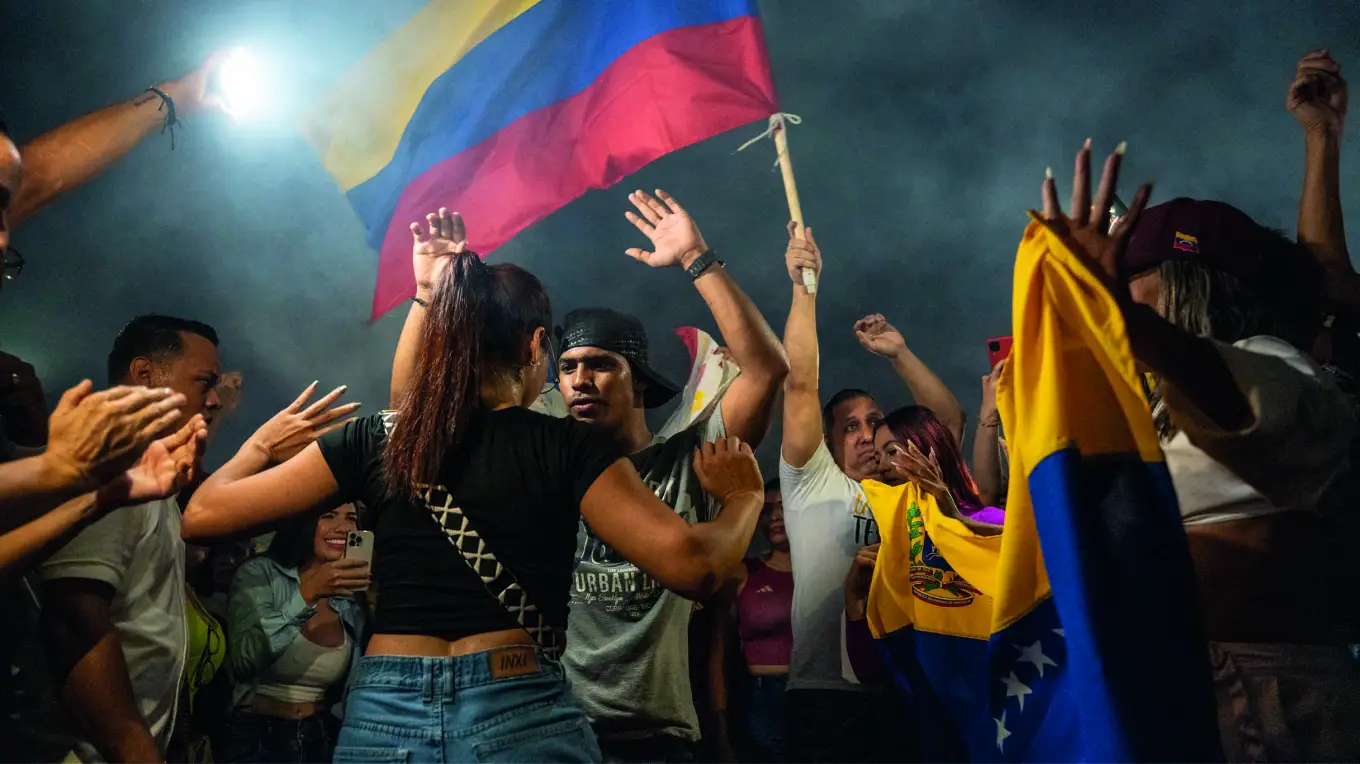
Βενεζουέλα: Πόσο πλούσια είναι τελικά και πόσο φτωχοί οι κάτοικοι; Αλήθειες και μύθοι που εκπλήσσουν
Jan 4
Ποια είναι η αξία των κοιτασμάτων πετρελαίου της Βενεζουέλας
Jan 5
Ο Μαδούρο, οι ΗΠΑ και το πετρελαϊκό σοκ που δεν μπορεί να υπολογίσει η Κίνα
Jan 7

Πώς εκτυλίχθηκε το θρίλερ με την κατάσχεση δύο τάνκερ από Αμερικανούς κομάντο - Μηνύματα σε Βενεζουέλα και Μόσχα
Jan 8
Κίνα: Ο μεγαλύτερος πελάτης της Βενεζουέλας δεν την έχει πλέον ανάγκη
Jan 9