Τη δυνατότητα ακόμη και για εισαγωγές κρέατος, εφόσον αυτό κριθεί αναγκαίο για τη συγκράτηση των τιμών, άφησε ανοικτή ο Εκτελεστικός Γραμματέας του Παγκύπριος Σύνδεσμος Υπεραγορών, Ανδρέας Χατζηαδάμου, με φόντο τη θανάτωση 13.000 ζώων λόγω αφθώδους πυρετού.
Σε δηλώσεις του ο κ. Χατζηαδάμου ανέφερε ότι επί του παρόντος δεν παρατηρούνται προβλήματα στην αγορά, εκφράζοντας την ελπίδα να περιοριστεί η εξάπλωση της νόσου. Σημείωσε ότι η προσφορά αιγοπρόβειου κρέατος αναμένεται να επηρεαστεί, ωστόσο υπενθύμισε πως διανύεται η περίοδος της Σαρακοστής, κατά την οποία η ζήτηση είναι περιορισμένη.
Αναφορικά με τις τιμές ενόψει Πάσχα, υπογράμμισε ότι είναι νωρίς για ασφαλείς εκτιμήσεις, προσθέτοντας πως ο κλάδος λειτουργεί σε έντονα ανταγωνιστικό περιβάλλον. Τόνισε ότι «αν χρειαστεί θα γίνουν οι κατάλληλες κινήσεις, ίσως και με εισαγόμενα κρέατα, ούτως ώστε να περιοριστεί τυχόν μεγάλη αύξηση τιμών», εκφράζοντας την πεποίθηση ότι «η δυναμική της αγοράς θα λειτουργήσει προς όφελος του καταναλωτή».
Ο ίδιος επιβεβαίωσε ότι στο σχεδιασμό των υπεραγορών περιλαμβάνεται το ενδεχόμενο εισαγωγών, επισημαίνοντας ότι σε αρκετές περιπτώσεις το εισαγόμενο κρέας, ιδίως από Ελλάδα και γειτονικές χώρες, διατίθεται σε χαμηλότερες τιμές, με στόχο τη διατήρηση «λογικών και δίκαιων» επιπέδων στην αγορά.
Από την πλευρά του, ο Πρόεδρος του Σύνδεσμος Καταναλωτών, Μάριος Δρουσιώτης, δήλωσε ότι δεν προβλέπει έλλειψη κρέατος στην αγορά ούτε λόγο γενικευμένων αυξήσεων τιμών.
Όπως ανέφερε, τα 13.000 αιγοπρόβατα που θανατώνονται αντιστοιχούν περίπου στο 1% με 1,5% του συνολικού ζωικού πληθυσμού παγκύπρια. Εκτίμησε ότι πριν από το Πάσχα δεν διαφαίνεται αύξηση τιμών, αν και σημείωσε πως ενδέχεται να υπάρξει περιορισμός στη διαθεσιμότητα αρνιών, καθώς μέρος των ζώων θα διατηρηθεί για αναπλήρωση του ζωικού κεφαλαίου.
Σύμφωνα με τον κ. Δρουσιώτη, η δυνατότητα εισαγωγών από την Ελλάδα μπορεί να καλύψει τυχόν κενό στην αγορά. Ωστόσο, επεσήμανε ότι τα εισαγόμενα αρνιά είναι κατά 1-2 ευρώ ακριβότερα, γεγονός που ενδέχεται να αποτυπωθεί στις τιμές λιανικής το Πάσχα.
Σε ό,τι αφορά το χαλούμι, εκτίμησε ότι δεν αναμένεται αύξηση τιμών, καθώς υπάρχουν μεγάλα αποθέματα στις γαλακτοβιομηχανίες που μπορούν να καλύψουν τυχόν μείωση στην παραγωγή γάλακτος. Παρά ταύτα, προειδοποίησε ότι ενδέχεται να υπάρξουν δυσκολίες στην παραγωγή χαλουμιού ΠΟΠ, λόγω των αυξημένων αναγκών σε αιγοπρόβειο γάλα.
ΚΥΠΕ
Supermarkets Consider Meat Imports to Stabilize Prices Amid Foot-and-Mouth Disease Outbreak
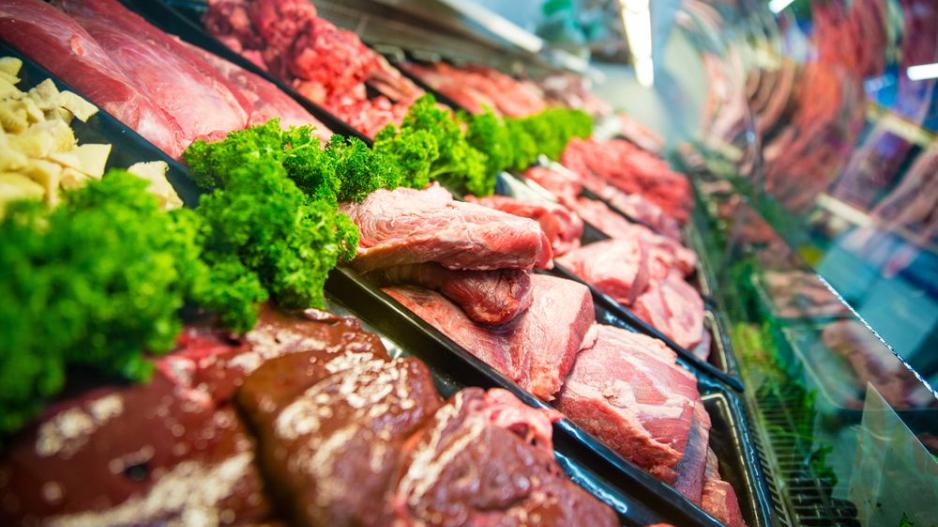
The Pan-Cypriot Supermarkets Association is considering importing meat to stabilize prices following the culling of 13,000 animals due to foot-and-mouth disease. Executive Secretary Andreas Hadjiadamou stated that there are currently no problems in the market, but the supply of goat and sheep meat is expected to be affected. However, the Lenten period limits demand. Mr. Hadjiadamou emphasized that it is too early for accurate predictions regarding Easter prices, but the sector is competitive and measures, such as importing meat, will be taken if necessary to avoid significant price increases. He believes the market will operate to the benefit of the consumer. Supermarkets are already planning for potential imports, as imported meat, especially from Greece, is often cheaper. From his side, the President of the Consumers Association, Marios Drousiotis, does not foresee a meat shortage or widespread price increases. The 13,000 culled animals represent only 1-1.5% of the total livestock population. No price increases are expected before Easter, although there may be a limitation in the availability of lambs, as some animals will be retained for herd replenishment. Mr. Drousiotis added that imports from Greece could cover any shortfall, but imported lambs are usually €1-2 more expensive, which may affect retail prices. Regarding halloumi cheese, no price increases are expected due to stocks in dairy factories, but there may be difficulties in producing PDO halloumi due to reduced milk production.
You Might Also Like

Αντιμέτωπη με σοβαρά προβλήματα η αγορά λόγω αφθώδους πυρετού «Οπωσδήποτε αύξηση στις τιμές το Πάσχα» (ΒΙΝΤΕΟ)
Μικρή άνοδος στις τιμές του κρέατος το Πάσχα μετά τη θανάτωση 13.000 ζώων – Τι ακριβώς εκτιμούν οι αρμόδιοι
Feb 25
Bella Bulgaria: Από την Creta Farms στη Yaya Pitta και την αγορά ζύμης
Feb 26

Δεν βλέπει έλλειψη κρέατος ο Δρουσιώτης- Ισως γίνουν εισαγωγές για συγκράτηση τιμών
Feb 26
Πώς επηρεάζεται το πασχαλινό τραπέζι λόγω αφθώδους πυρετού
Feb 26