Το PLANBEE (Promoting Local Apiary Networks and Bee Entrepreneurial Excellence) ξεκίνησε επίσημα, θέτοντας σε εφαρμογή μια φιλόδοξη διακρατική πρωτοβουλία στη Μεσόγειο με στόχο την ενίσχυση της μελισσοκομικής οικονομίας ως μοχλού αγροτικής ανάπτυξης, επιχειρηματικότητας, περιβαλλοντικής προστασίας και βιώσιμου τουρισμού.
Το έργο συγχρηματοδοτείται κατά 89% από την Ευρωπαϊκή Ένωση στο πλαίσιο του Interreg NEXT MED, με συνολικό προϋπολογισμό €2.807.656 και συνεισφορά €2.498.813,84 από την ΕΕ. Υλοποιείται από επτά εταίρους σε Κύπρο, Αίγυπτο, Ιταλία, Ιορδανία, Λίβανο και Παλαιστίνη, με συντονιστή το Κυπριακό Εμπορικό και Βιομηχανικό Επιμελητήριο (ΚΕΒΕ).
Ενδυνάμωση δεξιοτήτων και επιχειρηματικότητας
Στον πυρήνα του PLANBEE βρίσκεται ένας ισχυρός άξονας αναβάθμισης δεξιοτήτων. Μέσα από πρακτική εκπαίδευση, καθοδήγηση και καινοτόμα εργαλεία μάθησης, συμπεριλαμβανομένων εφαρμογών μικτής πραγματικότητας, το έργο θα αναβαθμίσει τις δεξιότητες πάνω από 120 νέων και υφιστάμενων μελισσο-επιχειρηματιών.
Οι δράσεις καλύπτουν:
- βιώσιμη και βιολογική μελισσοκομία,
- επιχειρηματικές δεξιότητες για μελισσοκομικές επιχειρήσεις,
- δημιουργική αξιοποίηση του μελιού στη γαστρονομία,
απευθυνόμενες σε μελισσοκόμους, επαγγελματίες HORECA και νέους ανθρώπους, με ιδιαίτερη έμφαση στις γυναίκες.
Διαφοροποίηση προϊόντων και brand MED Queen Bee
Για την ενίσχυση της ανταγωνιστικότητας, το έργο προωθεί τη διαφοροποίηση και την ταυτότητα προϊόντων. Προβλέπεται η δημιουργία ενός διακρατικού και έξι περιφερειακών συμπλεγμάτων (clusters) μελισσοκομικής οικονομίας, ενισχύοντας συνεργασίες, καινοτομία και συλλογική προβολή.
Κεντρική πρωτοβουλία αποτελεί το brand MED Queen Bee, που θα αναδείξει 60 διακεκριμένες γυναίκες μελισσο-επιχειρηματίες, αναγνωρίζοντας τη συμβολή τους στις τοπικές οικονομίες και τα οικοσυστήματα. Παράλληλα, επιστημονικές μελέτες και πιλοτικές δράσεις θα στηρίξουν την ανάπτυξη μελιού βάσει χλωρίδας, αναδεικνύοντας τη βοτανική ταυτότητα κάθε περιοχής και ενισχύοντας την αυθεντικότητα και προστιθέμενη αξία.
Έξυπνες κυψέλες και τεκμηριωμένη καινοτομία
Η καινοτομία ενισχύεται με πιλοτική εφαρμογή έξυπνων κυψελών, που παρακολουθούν συνθήκες μελισσιού και τύπους γύρης, υποστηρίζοντας τη βιώσιμη διαχείριση και την αξιόπιστη πιστοποίηση μελιού βάσει χλωρίδας. Η παραγόμενη γνώση θα διαμοιράζεται διακρατικά, ενισχύοντας τη μελισσοκομική οικονομία της Μεσογείου ως σύγχρονο και τεκμηριωμένο τομέα.
Μελισσοτουρισμός και μεσογειακό δίκτυο εμπειριών
Το PLANBEE επεκτείνει το πεδίο πέρα από την παραγωγή, επενδύοντας στον Μελισσοτουρισμό (apitourism) ως αναδυόμενη μορφή βιώσιμου και εναλλακτικού τουρισμού. Θα δημιουργηθούν έξι Περιφερειακά Γραφεία Μελισσοτουρισμού, θα ενισχυθούν και θα επεκταθούν Μελισσοδιαδρομές σε όλες τις περιοχές εταίρων και θα ενωθούν σε Μεσογειακό σύμπλεγμα Μελισσοτουρισμού.
Οι διαδρομές θα δοκιμαστούν με πραγματικούς επισκέπτες, θα προωθηθούν ψηφιακά και διεθνώς και θα παρουσιαστούν σε μεγάλη διεθνή τουριστική έκθεση, τοποθετώντας τις μελισσοκομικές εμπειρίες της Μεσογείου στον παγκόσμιο τουριστικό χάρτη.
Πολιτική διάσταση και μακροπρόθεσμος αντίκτυπος
Το έργο στοχεύει σε μακροπρόθεσμο αντίκτυπο, με ενεργή εμπλοκή φορέων χάραξης πολιτικής από τα πρώτα στάδια. Περιφερειακές Επιτροπές Πολιτικής Υποστήριξης θα μετατρέψουν την εμπειρία σε συγκεκριμένες προτάσεις πολιτικής, οι οποίες θα αποτυπωθούν στο PLANBEE Policy Paper, προωθώντας την ενσωμάτωση τοπικών μελισσοκομικών δικτύων στις πολιτικές αγροτικής ανάπτυξης, μελισσοκομίας και τουρισμού σε εθνικό και ευρωπαϊκό επίπεδο.
There’s no Plan B for the planet — only PLANBEE.
PLANBEE: €2.8 Million Project for Sustainable Beekeeping Economy in the Mediterranean
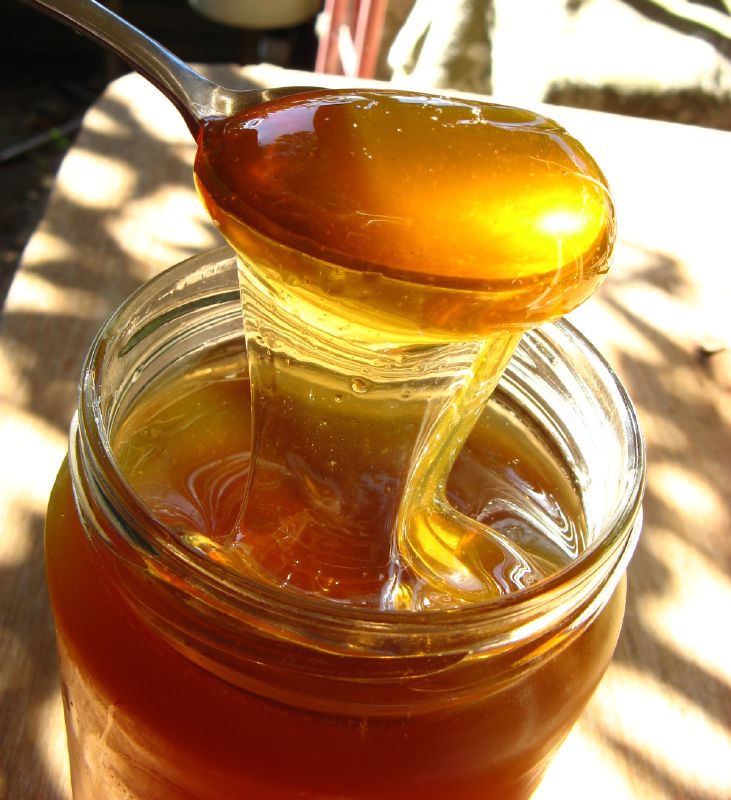
The PLANBEE (Promoting Local Apiary Networks and Bee Entrepreneurial Excellence) project has officially launched, implementing an ambitious transnational initiative in the Mediterranean aimed at strengthening the beekeeping economy as a lever for rural development, entrepreneurship, environmental protection, and sustainable tourism. The project is co-financed by 89% by the European Union under the Interreg NEXT MED program, with a total budget of €2.807.656 and a contribution of €2.498.813,84 from the EU. It is implemented by seven partners in Cyprus, Egypt, Italy, Jordan, Lebanon, and Palestine, with the Cyprus Chamber of Commerce and Industry (CCCI) as the coordinator. At the core of PLANBEE is a strong axis of skills upgrading. Through practical training, mentoring, and innovative learning tools, including mixed reality applications, the project will upgrade the skills of over 120 new and existing bee-entrepreneurs. The actions cover: - sustainable and organic beekeeping, - business skills for beekeeping businesses, - creative use of honey in gastronomy, targeting beekeepers, HORECA professionals and young people, with particular emphasis on women. The project will promote product diversification and identity by creating a transnational and six regional beekeeping economy clusters, strengthening collaborations, innovation and collective promotion. A central initiative is the MED Queen Bee brand, which will highlight 60 distinguished women bee-entrepreneurs, recognizing their contribution to local economies and ecosystems. In addition, scientific studies and pilot actions will support the development of honey based on flora, highlighting the botanical identity of each region and enhancing authenticity and added value. Innovation is enhanced by the pilot application of smart hives, which monitor bee conditions and pollen types, supporting sustainable management and reliable certification of honey based on flora. The knowledge generated will be shared transnationally, strengthening the Mediterranean beekeeping economy as a modern and evidence-based sector. Finally, the project will invest in apitourism, creating regional offices and enhancing bee trails, aiming to promote the region as a sustainable tourism destination.
You Might Also Like

Έπεσαν οι υπογραφές για νέο έργο 54 διαμερισμάτων προσιτού ενοικίου στον Στρόβολο
Dec 29

Τα επόμενα βήματα για τον GSI
Jan 8
Στην τελική ευθεία πάρκο €5 εκατ. στην Αγία Νάπα
Jan 10
ΚΟΑΓ: Τι περιλαμβάνει το πρώτο έργο προσιτού ενοικίου στη Λεμεσό
Jan 13
Με συγχρηματοδότηση από Ε.Ε. οι εθελούσιες επιστροφές υπηκόων τρίτων χωρών – Στα 8 εκ. ο προϋπολογισμός
Jan 13