«Είναι η δεύτερη εβδομάδα που το Ιράν σείεται από μαζικές διαδηλώσεις εναντίον του ισλαμικού καθεστώτος», δήλωσε στο politis.com.cy ο διεθνολόγος Δρ Αλέξανδρος Ζαχαριάδης, ερευνητικός συνεργάτης του Πανεπιστημίου Κύπρου και του London School of Economics. «Οι διαδηλώσεις», τόνισε, «έχουν λάβει χώρα σε πάνω από 70 πόλεις και έχουν στιγματιστεί από αναφορές για νεκρούς και τραυματίες, ο αριθμός των οποίων είναι μέχρι στιγμής αδιευκρίνιστος, με ορισμένες εκτιμήσεις να αναφέρουν ότι οι νεκροί ξεπερνούν τους είκοσι».
Ακολούθως επεσήμανε ότι δεν είναι η πρώτη φορά που το καθεστώς έχει να διαχειριστεί διαδηλώσεις μαζικού χαρακτήρα, υπενθυμίζοντας τις διαδηλώσεις που ξέσπασαν το 2009 και το 2018 για οικονομικούς λόγους, αλλά και αυτές του 2021 στον απόηχο της δολοφονίας της 22χρονης Μάχσα Αμίν από τη θρησκευτική αστυνομία.
Τα αίτια των διαδηλώσεων
Οι σημερινές διαδηλώσεις έχουν προκληθεί από ένα συνδυασμό παραγόντων, με κυριότερο το οικονομικό ζήτημα, επεσήμανε ο Δρ Ζαχαριάδης. «Ο πληθωρισμός», είπε, «έχει ανεβεί στο 50%, με τους μισθούς να μην συμβαδίζουν με το κόστος ζωής». Παράλληλα, ανέφερε, «η ανεργία στους νέους (15-35) βρίσκεται γύρω στο 20% σύμφωνα με τα επίσημα στατιστικά, με το ποσοστό στις γυναίκες να ανεβαίνει πάνω από 30%».
Τα πιο πάνω στατιστικά, όπως είπε, εξηγούν το γεγονός ότι οι πρωτοστάτες των σημερινών διαδηλώσεων είναι το φοιτητικό και εργατικό κίνημα της χώρας. Πρόσθεσε ωστόσο ότι πέραν των οικονομικών ζητημάτων εγείρονται και θέματα που αφορούν την ελευθερία του λόγου και της έκφρασης στη χώρα, η ενεργειακή φτώχεια και η έλλειψη υδροδότησης σε αρκετά σημεία της χώρας, περιλαμβανομένης και της Τεχεράνης.
Ο Δρ Ζαχαριάδης ανέφερε ότι «σε όλες τις προηγούμενες περιπτώσεις το καθεστώς μπορούσε να δικαιολογήσει σε ένα μέρος του πληθυσμού πως οι επενδύσεις δισεκατομμυρίων στην άμυνα και στην ανάπτυξη του πυρηνικού προγράμματος της χώρας, αλλά και την υποστήριξή παραστρατιωτικών δρώντων όπως η Χεζμπολάχ στο Λίβανο, η Χαμάς στην Παλαιστίνη, οι Χούθι στην Υεμένη και μια σειρά πολιτοφυλακών στο Ιράκ, ήταν απαραίτητες για την αποτρεπτική στρατηγική της χώρας απέναντι στο Ισραήλ και τις ΗΠΑ και της περιφερειακής επιρροής της χώρας».
Πρόσθεσε δε ότι «αυτό το αφήγημα κατέρρευσε μετά από τις επιθέσεις του Ισραήλ και των ΗΠΑ που έπληξαν το πυρηνικό πρόγραμμα και έδειξαν πόσο ανοχύρωτη είναι η χώρα». Συνεχίζοντας είπε ότι η αποτυχία της αποτρεπτικής στρατηγικής που αποφάσισαν ο Ανώτατος θρησκευτικός ηγέτης και οι Φρουροί της Επανάστασης διαφάνηκε και από τις στρατιωτικές νίκες του Ισραήλ εναντίον της Χεζμπολάχ και της Χαμάς αλλά και την πτώση του Άσαντ στη Συρία. Ως εκ τούτου, τόνισε, «οι διαδηλωτές θέτουν το ερώτημα γιατί όλα αυτά τα χρήματα δεν δαπανήθηκαν για τις πραγματικές οικονομικές ανάγκες της χώρας και χάθηκαν σε μια αδιέξοδη στρατηγική».
Οικονομικά αιτήματα
Ακολούθως ο Δρ Ζαχαριάδης τόνισε ακόμη ένα στοιχείο των σημερινών διαδηλώσεων. «Οι κυριότερες διαδηλώσεις των τελευταίων 25 χρόνων», υποστήριξε, «είχαν εκφραστεί στα μεγαλύτερα αστικά κέντρα όπως η Τεχεράνη, το Μασχάντ, και το Ισφαχάν. Στις διαδηλώσεις αυτές, όπως είπε, τα κυριότερα αιτήματα αφορούσαν τα ανθρώπινα δικαιώματα και την έλλειψη ελευθερίας εντός του συστήματος, με τους πλείστους διαδηλωτές να είναι νεαροί προερχόμενοι από τη μεσαία τάξη. Σήμερα ωστόσο, ανέφερε, βλέπουμε τις διαδηλώσεις να έχουν εξαπλωθεί σχεδόν σε όλη τη χώρα και στην ύπαιθρο, με τα οικονομικά ζητήματα να είναι πλέον τα κεντρικά αιτήματα, χωρίς βέβαια να απουσιάζουν τα αιτήματα για φιλελευθεροποίηση της ζωής και της πολιτικής.
Μέτρα καταστολής
Ο Δρ Ζαχαριάδης σημείωσε ότι για την ώρα το καθεστώς αντιδρά με τις συνήθεις πρακτικές του, οι οποίες περιλαμβάνουν βίαιη καταστολή, στοχοποίηση και σύλληψη διαδηλωτών, τονίζοντας ότι δεν έχουν ακόμα επιβληθεί πιο ακραία μέτρα όπως εκτελέσεις, διακοπή του διαδικτύου. Ωστόσο, συμπλήρωσε, υπάρχει μια ολοένα και εντονότερη συμμετοχή των Φρουρών, κάτι το οποίο δεν ίσχυε σε τόσο βαθμό της προηγούμενες μέρες. Σημείωσε δε ότι το καθεστώς προσπαθεί να παρουσιάσει τις διαδηλώσεις ως υποκινούμενες από τις ΗΠΑ και το Ισραήλ, με μια σειρά από φερόμενους διαδηλωτές που έχουν συλληφθεί να ομολογούν στη δημόσια τηλεόραση τη συνεργασία τους με την Μοσάντ, την ισραηλινή υπηρεσία πληροφοριών.
Παράλληλα, είπε, «η μετριοπαθής κυβέρνηση του Μάσουντ Πεζεσκιάν, που ζει στην σκιά του ανώτατου θρησκευτικού ηγέτη και των Φρουρών της Επανάστασης, προσπαθεί να αντιδράσει με τον διορισμό ενός νέου διοικητή της Κεντρικής Τράπεζας, ο οποίος μόλις τον Μάρτιο είχε αποπεμφθεί από τη θέση του Υπουργού Οικονομικών για την αδυναμία του να επιλύσει τη νομισματική κρίση της χώρας». Υποστήριξε όμως ότι η μεταρρυθμιστική ατζέντα του Προέδρου Πεζεσκίαν ουσιαστικά δοκιμάζεται, μαζί και η αξιοπιστία του μετριοπαθούς και μεταρρυθμιστικού πολιτικού κινήματος να δώσει λύσεις εντός του καθεστώτος.
Ερωτηθείς για τις μελλοντικές εξελίξεις, ο Δρ Ζαχαριάδης ανέφερε ότι δεν υπάρχουν εύκολες απαντήσεις για το τι μέλλει γενέσθαι. Εξέφρασε δε την εκτίμηση ότι είναι μάλλον απίθανο να υπάρξει ουσιαστική αλλαγή, με μεταφορά μέρους της δύναμης που κρατούν στα χέρια τους οι κληρικοί και οι Φρουροί στην κυβέρνηση και τη Βουλή που εκλέγονται από τον λαό. «Εξάλλου», τόνισε, «για τους σκληροπυρηνικούς εντός του καθεστώτος, εάν η κρίση έχει διάρκεια τότε υπάρχει πάντα το εξιλαστήριο θύμα της κυβέρνησης». Ωστόσο, ανέφερε ότι αυτό το αφήγημα δεν θα έχει και ιδιαίτερη απήχηση στα λαϊκά και μεσαία στρώματα που δοκιμάζονται οικονομικά.
Οι προειδοποιήσεις του Τραμπ
Μια άλλη διαφορά με τις προηγούμενες διαδηλώσεις, σημείωσε ο Δρ Ζαχαριάδης, είναι ότι ο Αμερικανός πρόεδρος Ντόνανλτ Τραμπ προειδοποίησε πως οι ΗΠΑ είναι έτοιμες να επέμβουν εάν το καθεστώς συνεχίσει να δολοφονεί διαδηλωτές. Όλες οι προηγούμενες κρίσεις, επεσήμανε, έλαβαν χώρα υπό το καθεστώς Αμερικανικών κυβερνήσεων που αναγνώριζαν τα όρια των βίαιων αλλαγών καθεστώτων (regime change), αντλώντας μαθήματα και από τη δική τους εμπειρία στο πόλεμο του Ιράκ.
Πρόσθεσε δε ότι «ο πρόεδρος Τράμπ, ο οποίος είχε εκλέγει στη βάση μιας πλατφόρμας για αποφυγή της στρατιωτικής ανάμιξης των ΗΠΑ εκτός συνόρων, φαίνεται πως αναθεωρεί, τόσο με τα πλήγματα εναντίον του Ιράν το καλοκαίρι αλλά και με την επίθεση εναντίον της Βενεζουέλας». Άρα, συμπλήρωσε, δεν θα μπορούσε κανείς να αποκλείσει μια στρατιωτική επέμβαση των ΗΠΑ.
Βέβαια, τόνισε, η ρητορική ή ακόμα και μια μεμονωμένη ενέργεια θα έδινε για άλλη μια φορά ώθηση στο καθεστώς, το οποίο θα χρησιμοποιούσε, όπως και στο παρελθόν, τον κίνδυνο της εθνικής ασφάλειας για τη συσπείρωση σημαντικού μέρος του πληθυσμού γύρω του, ρίχνοντας έστω και προσωρινά τα θέματα της οικονομίας κάτω από το χαλί.
Εξέφρασε δε την εκτίμηση ότι «ακόμα και σε περίπτωση πτώσης των κληρικών σε ένα σενάριο όπου κλιμακώνονται οι διαδηλώσεις ή και σε συνδυασμό με μια αμερικανική παρέμβαση, το πιο πιθανό είναι να πάρουν τον πλήρη έλεγχο οι Φρουροί της Επανάστασης, οι οποίοι έχουν υπό τον έλεγχο τους μεγάλο μέρος των σωμάτων ασφαλείας, αλλά και ένα δίκτυο πληροφοριών σε ολόκληρη τη χώρα».
Iran Protests: A Combination of Economic Woes and Failed Narratives
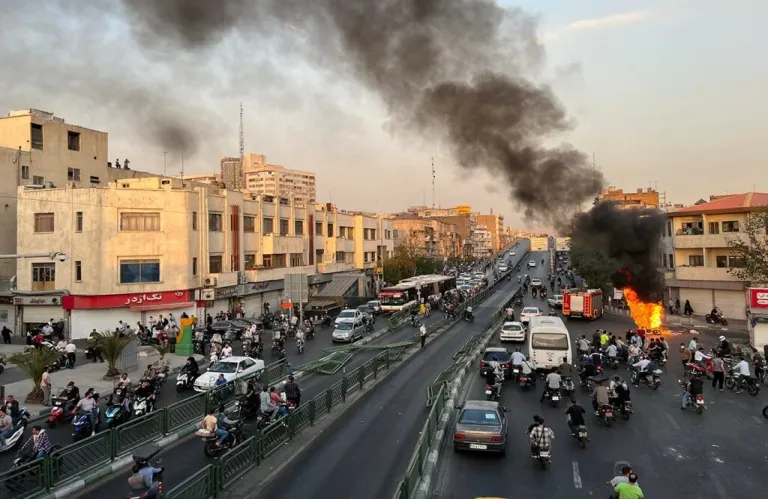
Iran is currently experiencing widespread protests for the second week, with reports of casualties in over 70 cities. While protests have occurred previously (2009, 2018, 2021), the current unrest stems from a combination of economic hardship and political discontent. The primary driver of the protests is the economic situation, specifically a 50% inflation rate that is not matched by wage increases. Youth unemployment (15-35) stands at around 20%, with female unemployment exceeding 30%. These statistics explain the prominent role of students and workers in the demonstrations. Beyond economic concerns, protesters are voicing grievances regarding freedom of speech and expression, energy poverty, and water shortages in several regions, including Tehran. This dissatisfaction is exacerbated by the collapse of the official narrative surrounding the country's deterrent strategy. Previously, the regime justified its spending on defense and support for paramilitary groups as necessary for national security and regional influence. However, recent attacks on Iran's nuclear program, coupled with military setbacks for its allies (Hezbollah, Hamas) and the situation in Syria, have exposed the ineffectiveness of this strategy. Protesters are now questioning why funds were not invested in the economy and improving the lives of citizens.
You Might Also Like

CNN: Η σκιά της Ρωσίας πάνω από την Ευρώπη
Dec 25

Τα big trades του 2025
Dec 31

Ανάλυση CT: Η Τεχεράνη σε τεντωμένο σχοινί με ορατή ανατροπή του θεοκρατικού καθεστώτος
Jan 2
Η τριγλωσσία των ΗΠΑ και τα 7+1 μέτωπα του Ισραήλ: Ο Γαβριήλ Χαρίτος στον «Π» για τη Μέση Ανατολή του 2026
Jan 3
Οι μουλάδες ανησυχούν. Η ανθρωπότητα ελπίζει
Jan 5