Πέτρος Λοής ([email protected]) και Μάριος Χρίστου ([email protected])
Τμήμα Λογιστικής, Οικονομικών και Χρηματοοικονομικής
Σχολή Διοίκησης Επιχειρήσεων
Πανεπιστήμιο Λευκωσίας
Το Κέντρο Οικονομικών Μελετών του Πανεπιστημίου Λευκωσίας, μέσω του ειδικού Παρατηρητηρίου που έχει δημιουργήσει για την Ιρανική κρίση, καταγράφει στην τρίτη εβδομάδα της κρίσης, μια κρίσιμη μετάβαση, κατά την οποία αυτή παύει να αντιμετωπίζεται ως ένα βραχυπρόθεσμο γεωπολιτικό σοκ και ενσωματώνεται πλέον ως ένας παρατεταμένος και διαρθρωτικός γεωοικονομικός κίνδυνος.
Σε αντίθεση με τις δύο πρώτες εβδομάδες, όπου κυριαρχούσαν η αβεβαιότητα και τα υποθετικά σενάρια, η τρίτη εβδομάδα σηματοδοτεί την μετάβαση από το επίπεδο των προσδοκιών στο επίπεδο των μετρήσιμων οικονομικών επιπτώσεων. Οι αγορές επαναπροσδιορίζουν τα βασικά τους σενάρια, ενσωματώνουν υψηλότερο γεωπολιτικό ασφάλιστρο κινδύνου (premium) και προσαρμόζουν τις επενδυτικές στρατηγικές τους, αντανακλώντας αυξημένο κίνδυνο διαρκείας και μετατόπιση στη συμπεριφορά των επενδυτών.
Κεντρικός άξονας της κρίσης παραμένει η αγορά ενέργειας και ιδιαίτερα η κατάσταση στα Στενά του Ορμούζ, από όπου διέρχεται περίπου το 20% της παγκόσμιας προσφοράς πετρελαίου. Οι διεθνείς τιμές του πετρελαίου Brent έχουν ήδη αυξηθεί από επίπεδα 70–80 δολαρίων ανά βαρέλι σε περίπου 108 έως 117 δολάρια ανά βαρέλι, καταγράφοντας άνοδο έως και 25% μέσα σε λίγες ημέρες. Σε σενάρια περαιτέρω παράτασης και κλιμάκωσης της κρίσης, οι τιμές θα μπορούσαν να κινηθούν σε υψηλότερα επίπεδα που φτάνουν μεταξύ 130 και 200 δολαρίων ανά βαρέλι (οι εκτιμήσεις αυτές είναι σύμφωνες και με τις αντίστοιχες εκτιμήσεις της JP Morgan και αναλύσεις του Energy Tracker Asia). Η πιθανότητα μερικής ή εκτεταμένης διαταραχής της ναυσιπλοΐας στα Στενά του Ορμούζ έχει ήδη περιορίσει τις ροές, με εκτιμήσεις για πιθανή μείωση στην προσφορά η οποία (σε ακραίο σενάριο) μπορεί να ανέλθει σε περισσότερα από 10 εκμ. βαρέλια ημερησίως
Η αγορά ενέργειας εισέρχεται με αυτά τα δεδομένα σε φάση διαρθρωτικής αστάθειας, όπου οι τιμές δεν αντανακλούν πλέον μόνο τα τρέχοντα γεγονότα αλλά και την πιθανότητα παρατεταμένης διαταραχής. Το αυξημένο γεωπολιτικό ασφάλιστρο, η έντονη δραστηριότητα αντιστάθμισης κινδύνου (hedging) και η αυξημένη μεταβλητότητα στις αγορές συμβολαίων μελλοντικής εκπλήρωσης (future contracts), αποτελούν βασικά χαρακτηριστικά αυτής της νέας φάσης. Παράλληλα, έντονες πιέσεις καταγράφονται και στην αγορά φυσικού αερίου, με τις τιμές στην Ευρώπη να έχουν αυξηθεί έως και 60%, σύμφωνα με το Euronews, ενώ απειλείται και η παγκόσμια αγορά υγροποιημένου φυσικού αερίου, ιδιαίτερα από το Κατάρ.
Η κρίση επηρεάζει την παγκόσμια οικονομία μέσω πολλαπλών διαύλων. Η αύξηση των τιμών ενέργειας μεταφράζεται άμεσα σε πληθωριστικές πιέσεις, με εκτιμήσεις βασισμένες σε σχετικές αναλύσεις στην βάση μοντέλων παρόμοιων με αυτά που χρησιμοποιεί το ΔΝΤ. Τα μοντέλα αυτά υπολογίζουν αύξηση του παγκόσμιου πληθωρισμού κατά περίπου 0,8 ποσοστιαίες μονάδες. Ταυτόχρονα, η αυξημένη αβεβαιότητα περιορίζει τις επενδύσεις και ενισχύει τον κίνδυνο επιβράδυνσης ή και ύφεσης της παγκόσμιας οικονομίας (παρόμοιες επισημάνσεις γίνονται σε διεθνείς οικονομικές αναλύσεις και εκθέσεις του ίδιου του ΔΝΤ). Σε αντίθεση με τις προηγούμενες εβδομάδες, πλέον καταγράφονται πραγματικές επιπτώσεις, όπως η επιβράδυνση του διεθνούς εμπορίου, καθυστερήσεις σε επενδύσεις, αυξήσεις στο κόστος μεταφορών και εμφανείς πληθωριστικές πιέσεις.
Ιδιαίτερα έντονες είναι οι επιπτώσεις στον τομέα των μεταφορών, όπου το κόστος καυσίμων στην πολιτική αεροπορία έχει αυξηθεί σε επίπεδα έως και 100% σε σύντομο χρονικό διάστημα (σχετικές αναφορές σε aviation cost reports), οδηγώντας σε ακυρώσεις πτήσεων και περιορισμό δρομολογίων.
Οι εξελίξεις αυτές επηρεάζουν άμεσα το παγκόσμιο εμπόριο και τον τουρισμό. Στην περίπτωση της Κύπρου, η τρίτη εβδομάδα αποτελεί σημείο καμπής, καθώς παρατηρείται αύξηση ακυρώσεων, επανεκτίμηση δρομολογίων από αεροπορικές εταιρείες και μεταφορά τουριστικών πακέτων σε εναλλακτικούς προορισμούς, με την έννοια της «αντίληψης ασφάλειας» να αποκτά καθοριστική σημασία.
Παράλληλα, μία από τις πιο κρίσιμες αλλά λιγότερο άμεσα ορατές συνέπειες είναι η αυξανόμενη πιθανότητα επισιτιστικής κρίσης. Η άνοδος των τιμών ενέργειας αυξάνει το κόστος παραγωγής αγροτικών προϊόντων, τη μεταφορά τους και την παραγωγή λιπασμάτων, οδηγώντας σε γενικευμένη αύξηση των τιμών των τροφίμων (σχετικές καταγραφές παρουσιάζουν αναλύσεις της FAO και της Παγκόσμιας Τράπεζας). Η τρίτη εβδομάδα σηματοδοτεί επίσης την έναρξη έντονων δευτερογενών επιπτώσεων, με διαρθρωτική αύξηση του ενεργειακού κόστους, γενικευμένο πληθωρισμό, μείωση της αγοραστικής δύναμης και αναβολή επενδύσεων, οι οποίες επιδρούν αρνητικά στην οικονομική δραστηριότητα και έχουν μεγαλύτερη διάρκεια και ένταση από τις αρχικές εκτιμήσεις.
Η Κύπρος, ως μικρή και ιδιαίτερα εξαρτημένη από εισαγωγές ενέργειας οικονομία, επηρεάζεται άμεσα. Οι τιμές των καυσίμων έχουν ήδη αυξηθεί σημαντικά, με τη βενζίνη να καταγράφει άνοδο της τάξης του 20% έως 25% και το πετρέλαιο να αυξάνεται έως και 40%–45%, ενώ αναμένονται περαιτέρω αυξήσεις της τάξης των 6–7 σεντ ανά λίτρο. Οι αυξήσεις αυτές μεταφέρονται στο σύνολο της οικονομίας, επηρεάζοντας το κόστος στις μεταφορές, στην παραγωγή και κατά συνέπεια στις τελικές τιμές καταναλωτή. Σε όρους πληθωρισμού, εκτιμάται ότι η άμεση επίδραση μπορεί να προσθέσει 1 έως και 2 ποσοστιαίες μονάδες, ενώ οι συνολικές επιπτώσεις ενδέχεται να φθάσουν έως και 3%.
Ο τουρισμός, που αποτελεί βασικό πυλώνα της κυπριακής οικονομίας, βρίσκεται υπό σημαντική πίεση, με εκτιμήσεις από ευρωπαϊκές μελέτες του κλάδου και αναλύσεις της αεροπορικής βιομηχανίας να αναφέρονται σε πιθανή μείωση αφίξεων κατά 10% έως 15% σε ήπιο σενάριο και έως 30%–50% σε περίπτωση κλιμάκωσης. Οι επιχειρήσεις αντιμετωπίζουν αυξήσεις κόστους ενέργειας μεταξύ 20% και 40% (σύμφωνα με ευρωπαϊκές επιχειρηματικές έρευνες) γεγονός που περιορίζει τα περιθώρια κέρδους και ενισχύει τη μετακύλιση του κόστους στους καταναλωτές. Παράλληλα, ο κίνδυνος από τον αφθώδη πυρετό (όπως επισημαίνεται σε αναλύσεις του FAO και ευρωπαϊκών οργανισμών υγείας ζώων) ενδέχεται να επηρεάσει την εγχώρια παραγωγή, δημιουργώντας ένα πρόσθετο σοκ στην αγορά τροφίμων.
Η κατανομή των σεναρίων μεταβάλλεται αισθητά, με το ήπιο σενάριο να υποχωρεί από περίπου 50% στη δεύτερη εβδομάδα σε 25%–30% στην τρίτη, το μεσαίο σενάριο να αυξάνεται σε 45%–50% και το ακραίο σενάριο να ενισχύεται σε 20%–25%. Το μεσαίο σενάριο καθίσταται πλέον το βασικό σενάριο, γεγονός που συνεπάγεται αυξημένο δημοσιονομικό κίνδυνο, ανάγκη σχεδιασμού μέτρων στήριξης, επιβράδυνση της κατανάλωσης και των επενδύσεων, καθώς και αυξημένη πιθανότητα εμφάνισης στασιμοπληθωρισμού, δηλαδή συνδυασμού ύφεσης και πληθωρισμού.
Συνολικά, η κρίση έχει εισέλθει σε φάση όπου η διάρκεια αποτελεί τον καθοριστικό παράγοντα, η ένταση δημιουργεί βαθύτερες επιπτώσεις και η αβεβαιότητα μετατρέπεται σε διαρθρωτικό χαρακτηριστικό της οικονομίας. Για την Κύπρο, καθίσταται αναγκαίος ο έγκαιρος σχεδιασμός πολιτικής με ενίσχυση της ενεργειακής ανθεκτικότητας, δημιουργία στρατηγικών αποθεμάτων και διατήρηση δημοσιονομικής ισορροπίας. Στην τρίτη εβδομάδα, η Ιρανική κρίση μετατρέπεται πλέον από ένα προσωρινό γεωπολιτικό σοκ σε έναν πολυδιάστατο και διαρκή οικονομικό κίνδυνο, με επιπτώσεις που εκτείνονται στην ενέργεια, την πραγματική οικονομία, τον τουρισμό και την επισιτιστική ασφάλεια.
Iran Crisis: From Initial Geopolitical Shock to Structural Economic Instability
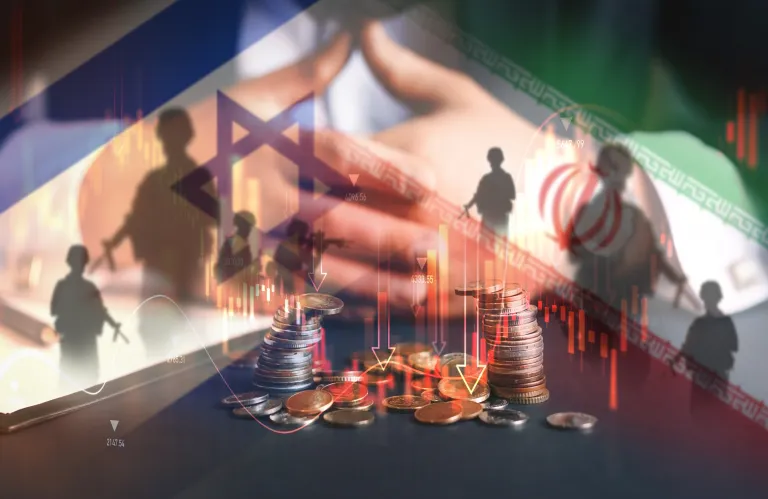
The Centre for Economic Studies at the University of Nicosia, through its observatory for the Iranian crisis, notes a transition from a short-term geopolitical shock to structural economic instability. The crisis is affecting the energy market, with Brent oil prices rising by up to 25% in a few days, and a potential supply reduction of up to 10 million barrels per day in extreme scenarios. The energy market is entering a phase of structural instability, with prices reflecting the possibility of prolonged disruption. The increase in energy prices translates into inflationary pressures, with estimates of a global inflation increase of approximately 0.8 percentage points. The crisis is affecting the global economy through multiple channels, including rising energy prices, uncertainty, and supply chain disruptions. Analysts at the University of Nicosia report that markets are reassessing their basic scenarios, incorporating higher geopolitical risk premiums and adjusting their investment strategies. The situation in the Strait of Hormuz, through which 20% of the world's oil supply passes, remains a central focus of the crisis. The crisis is also affecting the natural gas market, with prices in Europe rising by up to 60%.