Στον Γενικό Εισαγγελέα εναπόκειται η απόφαση για υποβολή αιτήματος προς το Ανώτατο Δικαστήριο για άρση της βουλευτικής ασυλίας, σύμφωνα με το Σύνταγμα, δήλωσαν στο ΚΥΠΕ ο συνταγματολόγος Αχιλλεύς Αιμιλιανίδης και ο Αν. Γενικός Διευθυντής της Βουλής των Αντιπροσώπων, Ανδρέας Χριστοδούλου.
Η άρση της βουλευτικής ασυλίας, που προβλέπεται στο άρθρο 83 του Συντάγματος, γίνεται σπάνια στην Κυπριακή Δημοκρατία, καθώς από το 1960 εγκρίθηκαν σχετικά αιτήματα μόλις τέσσερις φορές.
Ο συνταγματολόγος Αχιλλεύς Αιμιλιανίδης, είπε στο ΚΥΠΕ, ότι η διαδικασία για άρση της βουλευτικής ασυλίας προδιαγράφεται στο Σύνταγμα.
Ερωτηθείς σχετικά, είπε ότι χρειάζεται να υποβληθεί αίτημα από τον Γενικό Εισαγγελέα στο Ανώτατο Δικαστήριο. Σημείωσε, δε, ότι είναι πάντα στην κρίση του Γενικού Εισαγγελέα αν θα υποβληθεί το σχετικό αίτημα.
Από την πλευρά του, ο Αν. Γενικός Διευθυντής της Βουλής των Αντιπροσώπων, Ανδρέας Χριστοδούλου, ανέφερε στο ΚΥΠΕ ότι η Νομική Υπηρεσία κρίνει αν το αίτημα για άρση της βουλευτικής ασυλίας θα πάει στο Ανώτατο Δικαστήριο. «Θα εφαρμοστεί εν προκειμένω το άρθρο 83.2 του Συντάγματος», ανέφερε.
Σημείωσε ότι θα πρέπει οι διωκτικές αρχές να αποταθούν στο Ανώτατο και να εξασφαλίσουν άδεια άρσης της ασυλίας και «τότε θα μπορούν να προχωρήσουν οι ποινικές διαδικασίες, σε περίπτωση που κρίνει η Νομική Υπηρεσία ότι πρέπει να προχωρήσουν», ανέφερε.
Πρόσθεσε ότι θεσμικά η Βουλή δεν έχει κάποια συμμετοχή στο ζήτημα. Διευκρίνισε, δε, ότι σε περίπτωση έγκρισης του αιτήματος, ο βουλευτής θα μπορεί να ασκεί κανονικά τα καθήκοντά του, αλλά με την άρση της ασυλίας θα μπορεί να προχωρήσει το σκέλος της ποινικής διαδικασίας και διερεύνησης.
Σύμφωνα με το άρθρο 83 του Συντάγματος, οι βουλευτές δεν υπόκεινται σε ποινική δίωξη και δεν ευθύνονται αστικώς για οποιαδήποτε εκφρασθείσα γνώμη ή ψήφο δώσουν στη Βουλή των Αντιπροσώπων. Επίσης, προβλέπεται ότι οι βουλευτές δεν μπορούν να διωχθούν, συλληφθούν ή φυλακιστούν κατά τον χρόνο που εξακολουθούν να είναι βουλευτές, χωρίς την άδεια του Ανώτατου Δικαστηρίου.
Σημειώνεται, δε, ότι τέτοια άδεια δεν απαιτείται για αδίκημα που επισύρει ποινή φυλάκισης πέντε ετών και άνω, αν ο «αδικοπραγήσας κατελήφθη επ’ αυτοφώρω». Σε αυτή την περίπτωση, το Ανώτατο Δικαστήριο, «ειδοποιούμενον παρευθύς υπό της αρμοδίας αρχής αποφασίζει επί της παροχής ή μη της αδείας συνεχίσεως της διώξεως ή της κρατήσεως, εφ’ όσον χρόνον ο αδικοπραγήσας εξακολουθεί να είναι βουλευτής».
Σύμφωνα με το ίδιο άρθρο του Συντάγματος, αν το Ανώτατο Δικαστήριο αρνηθεί να παράσχει την άδεια για δίωξη του βουλευτή, ο χρόνος που αυτός δεν δύναται να διωχθεί δεν συνυπολογίζεται στον χρόνο παραγραφής του αδικήματος.
Επίσης, αναφέρεται ότι αν το Ανώτατο Δικαστήριο αρνηθεί να παράσχει την άδεια για εκτέλεση απόφασης φυλάκισης που επιβλήθηκε σε βουλευτή από αρμόδιο δικαστήριο, η εκτέλεση της απόφασης αναβάλλεται, μέχρι ο καταδικασθείς να παύσει να είναι βουλευτής.
Η άρση της βουλευτικής ασυλίας στην Κύπρο εφαρμόζεται σπάνια. Συγκεκριμένα, μόλις τέσσερις φορές από την ίδρυση της Κυπριακής Δημοκρατίας έχει εγκριθεί σχετικό αίτημα. Τελευταία φορά που έγινε άρση της ασυλίας ήταν το 2016 για τον βουλευτή Ανδρέα Θεμιστοκλέους, λόγω παραβάσεων του Κώδικα Οδικής Κυκλοφορίας. Προηγουμένως, το 2015, το Ανώτατο αποφάσισε την άρση της ασυλίας του βουλευτή Φειδία Σαρίκα, για διερεύνηση υποψιών δωροδοκίας, διαφθοράς και κατάχρησης εξουσίας ενώ ήταν δήμαρχος Πάφου.
Πριν από τις δύο σχετικά πρόσφατες αυτές περιπτώσεις, άρση βουλευτικής ασυλίας είχε γίνει το 1984 για τον βουλευτή Γιώργο Γεωργίου για υπόθεση πλαστογραφίας. Άλλη μία υπόθεση άρσης ασυλίας καταγράφεται το 1961 για τον Λεύκιο Ροδοσθένους, για υπόθεση εκβιασμού.
Πηγή: ΚΥΠΕ
How Parliamentary Immunity is 'Unlocked' in Cyprus - The Role of the Attorney General and the Supreme Court
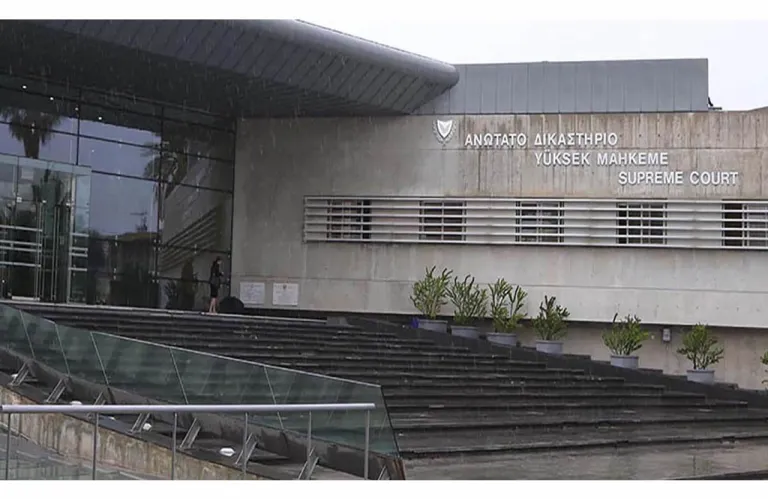
The decision to submit a request to the Supreme Court for the lifting of parliamentary immunity rests with the Attorney General, according to the Constitution, stated constitutionalist Achilleas Aimilianides and Deputy Director General of the House of Representatives, Andreas Christodoulou, to CNA. The lifting of parliamentary immunity, as provided for in Article 83 of the Constitution, is rare in the Republic of Cyprus, as relevant requests have been approved only four times since 1960. Constitutionalist Achilleas Aimilianides told CNA that the procedure for lifting parliamentary immunity is prescribed in the Constitution. Asked about this, he said that a request must be submitted by the Attorney General to the Supreme Court. He noted that it is always at the discretion of the Attorney General whether to submit the relevant request. For his part, the Deputy Director General of the House of Representatives, Andreas Christodoulou, stated to CNA that the Legal Service decides whether the request for lifting parliamentary immunity will go to the Supreme Court. "Article 83.2 of the Constitution will apply in this case," he said. He noted that the prosecution authorities must turn to the Supreme Court and obtain permission to lift the immunity and "then they will be able to proceed with the criminal proceedings, if the Legal Service deems it necessary to proceed," he said. He added that institutionally the Parliament does not have any participation in the issue. He clarified that in the event of approval of the request, the MP will be able to normally exercise his duties, but with the lifting of the immunity he will be able to proceed with the criminal procedure and investigation. According to Article 83 of the Constitution, MPs are not subject to criminal prosecution and are not civilly liable for any opinion expressed or vote given in the House of Representatives. It also provides that MPs cannot be prosecuted, arrested or imprisoned during the time they remain MPs, without the permission of the Supreme Court. Permission is not required for an offence punishable by imprisonment for five years or more, if the offender is caught in the act. In this case, the Supreme Court, "being duly informed by the competent authority, decides on the granting or not of permission to continue the prosecution or detention, as long as the offender remains an MP". According to the same article of the Constitution, if the Supreme Court refuses to grant permission to prosecute an MP, the time during which he cannot be prosecuted is not counted towards the statute of limitations of the offence. It is also stated that if the Supreme Court refuses to grant permission to execute a sentence of imprisonment imposed on an MP by a competent court, the execution of the sentence is postponed until the convicted person ceases to be an MP. The lifting of parliamentary immunity in Cyprus is rarely applied. Specifically, only four times since the establishment of…
You Might Also Like

Αστυνομικός κατηγορήθηκε, προφυλακίστηκε, αθωώθηκε, απολύθηκε αλλά… δεν βρήκε το δίκιο
Dec 18

Μαχαίρωσε τον αδελφό του και ήθελε αποζημίωση για ρεπορτάζ τηλεοπτικού σταθμού επειδή θίχτηκε!
Dec 31

Οι 4 φορές που έγινε άρση της βουλευτικής ασυλίας. Τι ισχύει με βάση το Σύνταγμα
Jan 5

Στον ΓΕ εναπόκειται η απόφαση για υποβολή αιτήματος στο Ανώτατο άρσης ασυλίας
Jan 5