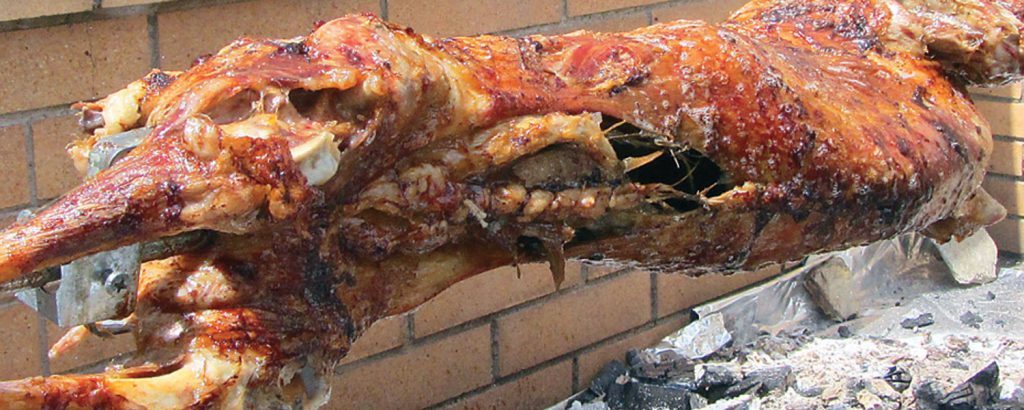
Το φετινό Πάσχα ίσως χρειαστεί να το δούμε αλλιώς, αφού ο οβελίας αρχίζει να γίνεται είδος υπό πίεση. Ο αφθώδης πυρετός έφερε στενότητα στην αγορά, οι μετακινήσεις ζώων δυσκολεύουν και η τιμή του αρνιού ανέβηκε ήδη κοντά στα 12 ευρώ το κιλό, περίπου 10% πάνω. Σε μια αγορά όπου σφάζονται κάθε χρόνο γύρω στις 200.000 αμνοερίφια, μόνο πέρσι το Πάσχα καταναλώθηκαν πέραν των 50.000. Αν συνεχιστούν οι περιορισμοί, το πασχαλινό τραπέζι μάλλον θα γίνει πιο ακριβό και πιο… συγκρατημένο.
Αν προστεθεί ότι η Ελλάδα ως κυρίως παροχέας όσο αφορά το αρνί δοκιμάζεται ήδη από το αφθώδη πυρετό τα μαντάτα ίσως να είναι ακόμη πιο μαύρα. Την ώρα που το χαλλούμι κρατά ακόμη άμυνες και εξαγωγές, το αρνί φαίνεται πως μπαίνει πρώτο στη ζώνη των βαριών αναταράξεων. Με απλά λόγια, πριν φτάσει η Λαμπρή, ίσως να ψάχνουμε οβελία με το κιάλι.
ΠΡΟΚΕ
Easter Lamb Shortage Looms in Greece
This year's Easter is expected to be more expensive due to a shortage of lamb in the market. Foot-and-mouth disease has caused production problems, while animal movements are difficult, resulting in a 10% increase in lamb prices to €12 per kilo. Given that over 50,000 lambs are consumed every Easter, supply restrictions may lead to higher prices and more restrained quantities on the Easter table. Greece, as a major lamb supplier, is already facing the consequences of foot-and-mouth disease. While halloumi maintains its exports, lamb appears to be the first product to be seriously affected. The situation is such that finding lamb may become difficult by Easter. The lamb shortage is due to a combination of factors, including disease, movement restrictions, and increased demand. Consumers should prepare for higher prices and potentially smaller quantities of lamb on their Easter table. This situation highlights the need for support measures for livestock farmers and the protection of domestic production. Ensuring an adequate supply of lamb for Easter is a priority in order to avoid disrupting traditions and the festive needs of citizens.