Σύμφωνα με ανάλυση του CNN, ο τρόπος με τον οποίο ξεκίνησε και εξελίσσεται ο πόλεμος αντανακλά πλήρως τη λογική της πολιτικής του Τραμπ
Η σύγκρουση των ΗΠΑ του Ντόναλντ Τραμπ και του Ισραήλ του Μπέντζαμιν Νετανιάχου με το Ιράν δεν αποτελεί απλώς μια ακόμη κρίση στη Μέση Ανατολή.
Για πολλούς αναλυτές, πρόκειται για ένα γεγονός με ευρύτερες γεωπολιτικές συνέπειες που ενδέχεται να επαναδιαμορφώσει τη διεθνή τάξη, τις σχέσεις των συμμάχων της Ουάσιγκτον και τον ρόλο της αμερικανικής ισχύος στον κόσμο.
Σύμφωνα με ανάλυση του CNN, ο τρόπος με τον οποίο ξεκίνησε και εξελίσσεται ο πόλεμος αντανακλά πλήρως τη λογική της πολιτικής του Τραμπ: μια προσέγγιση που δίνει προτεραιότητα στην ισχύ, στο ρίσκο και στις μονομερείς αποφάσεις, ακόμη κι αν αυτό σημαίνει ρήξη με παραδοσιακούς συμμάχους.
Οι πρώτες επιθέσεις των ΗΠΑ και του Ισραήλ, που οδήγησαν και στον θάνατο του ανώτατου ηγέτη του Ιράν, Αλί Χαμενεΐ, προκάλεσαν μια αλυσιδωτή αντίδραση που επηρέασε όχι μόνο την περιοχή, αλλά και τις παγκόσμιες πολιτικές και οικονομικές ισορροπίες.
Ένας πόλεμος χωρίς τη συναίνεση συμμάχων
Σε αντίθεση με προηγούμενες μεγάλες στρατιωτικές επιχειρήσεις των ΗΠΑ στη Μέση Ανατολή, όπως ο Πόλεμος του Κόλπου του 1991 ή ακόμη και η εισβολή στο Ιράκ του 2003, η νέα στρατιωτική εκστρατεία κατά του Ιράν ξεκίνησε χωρίς ευρεία διεθνή συναίνεση.
Σύμφωνα με την ανάλυση του αμερικανικού δικτύου, πολλές ευρωπαϊκές κυβερνήσεις αιφνιδιάστηκαν από την απόφαση του Τραμπ για την έναρξη των επιχειρήσεων. Σε ορισμένες περιπτώσεις, ανώτατοι αξιωματούχοι συμμάχων βρίσκονταν ήδη στη Μέση Ανατολή όταν ξεκίνησαν οι επιθέσεις χωρίς να έχουν ενημερωθεί εκ των προτέρων.
Η απουσία συντονισμού θεωρείται ενδεικτική μιας νέας αμερικανικής στρατηγικής που δίνει έμφαση σε μονομερείς αποφάσεις και λιγότερο στη διατήρηση πολυμερών συμμαχιών.
Για πολλές ευρωπαϊκές κυβερνήσεις, η κατάσταση δημιουργεί ένα δύσκολο δίλημμα: από τη μία πλευρά θέλουν να υπερασπιστούν το Διεθνές Δίκαιο και τη διεθνή τάξη, από την άλλη όμως δεν μπορούν να αγνοήσουν τον καθοριστικό ρόλο των ΗΠΑ στην ασφάλειά τους.
Η Ευρώπη «παγιδευμένη» ανάμεσα σε αρχές και συμφέροντα
Η ευρωπαϊκή αντίδραση απέναντι στον πόλεμο χαρακτηρίζεται από έντονη αμηχανία και προσπάθεια ισορροπίας.
Ο πρόεδρος της Γαλλίας Εμανουέλ Μακρόν δήλωσε ότι δεν μπορεί να εγκρίνει στρατιωτικά πλήγματα που πραγματοποιούνται εκτός πλαισίου Διεθνούς Δικαίου, ωστόσο έστειλε ναυτική δύναμη στην περιοχή για να προστατεύσει τα γαλλικά συμφέροντα.
Ο καγκελάριος της Γερμανίας Φρίντριχ Μερτς επέλεξε μια πιο προσεκτική στάση, εκφράζοντας ανησυχία για το ιρανικό πυρηνικό πρόγραμμα και αποφεύγοντας μια ευθεία σύγκρουση με τον Τραμπ.
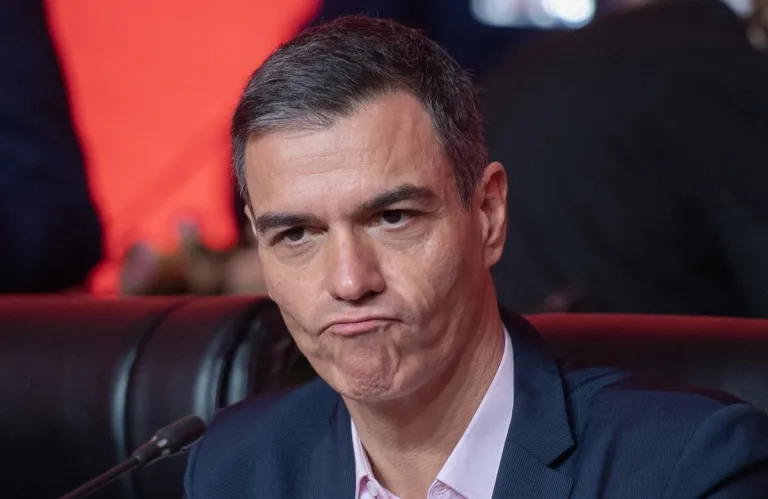
Αντίθετα, ο πρωθυπουργός της Ισπανίας, Πέδρο Σάντσεθ, ακολούθησε πιο σκληρή γραμμή, απαγορεύοντας τη χρήση αμερικανικών στρατιωτικών εγκαταστάσεων στη χώρα για επιθέσεις κατά του Ιράν.
Στο Ηνωμένο Βασίλειο, η κατάσταση προκάλεσε σοβαρές πολιτικές εντάσεις. Ο πρωθυπουργός Κιρ Στάρμερ επέκρινε την ιδέα «αλλαγής καθεστώτος από τον αέρα», εκφράζοντας φόβους ότι η σύγκρουση θα μπορούσε να οδηγήσει σε ένα νέο γεωπολιτικό αδιέξοδο, αντίστοιχο με εκείνο του πολέμου στο Ιράκ.
Πίσω από αυτές τις διαφορετικές τοποθετήσεις βρίσκεται μια κοινή πραγματικότητα: Η στρατιωτική εξάρτηση της Ευρώπης από τις Ηνωμένες Πολιτείες παραμένει μεγάλη, κάτι που περιορίζει τις δυνατότητες ανοιχτής αντιπαράθεσης με την κυβέρνηση Τραμπ, όπως σημειώνει το CNN.
Η Μέση Ανατολή στο επίκεντρο της κρίσης
Αν στην Ευρώπη η κρίση έχει κυρίως διπλωματικές και οικονομικές συνέπειες, στη Μέση Ανατολή η κατάσταση είναι πολύ πιο άμεση και επικίνδυνη.
Οι ιρανικές επιθέσεις με πυραύλους και drones εναντίον κρατών του Κόλπου δημιούργησαν ένα νέο, δυσμενές περιβάλλον ασφάλειας σε χώρες όπως η Σαουδική Αραβία, το Κουβέιτ, το Κατάρ και τα Ηνωμένα Αραβικά Εμιράτα.
Οι επιθέσεις αυτές είχαν ως αποτέλεσμα:
- πλήγματα σε ενεργειακές υποδομές,
- κλείσιμο κρίσιμων εγκαταστάσεων,
- σοβαρές διαταραχές στις αεροπορικές μεταφορές.
Η οικονομική επίπτωση είναι ήδη αισθητή. Η διακοπή παραγωγής υγροποιημένου φυσικού αερίου στο Κατάρ και οι δυσκολίες στη ναυσιπλοΐα στα Στενά του Ορμούζ έχουν προκαλέσει αναταραχή στις διεθνείς αγορές ενέργειας.
Ταυτόχρονα, οι κυβερνήσεις των χωρών του Κόλπου εκφράζουν ανησυχία για την κλιμάκωση της σύγκρουσης και πιέζουν για διπλωματική αποκλιμάκωση.
Ο εμίρης του Κατάρ Ταμίμ μπιν Χαμάντ Αλ Θάνι υπογράμμισε σε επικοινωνία με τον Τραμπ την ανάγκη περιορισμού της κρίσης και εντατικοποίησης της διπλωματίας.
Υποτίμηση της ιρανικής αντίδρασης
Ένα από τα πιο ανησυχητικά στοιχεία της σύγκρουσης είναι ότι, σύμφωνα με αναλυτές, η κυβέρνηση Τραμπ φαίνεται να είχε υποτιμήσει την ένταση της ιρανικής αντίδρασης.
Παρότι υπεύθυνοι χάραξης των στρατιωτικών κινήσεων των ΗΠΑ είχαν προβλέψει πιθανές ιρανικές επιθέσεις κατά αμερικανικών βάσεων, το εύρος των επιθέσεων σε πολιτικούς στόχους και σε υποδομές φαίνεται ότι αιφνιδίασε την κυβέρνηση Τραμπ.
Οι επιθέσεις αυτές δεν έχουν προκαλέσει καταστροφές ανάλογες με μεγάλους πολέμους, ωστόσο έχουν επιτύχει έναν σημαντικό στόχο: Να διαταράξουν την καθημερινή ζωή και την οικονομική δραστηριότητα σε ολόκληρη την περιοχή.
Με τον τρόπο αυτόν, το Ιράν επιχειρεί να αυξήσει την πίεση προς τις χώρες του Κόλπου, ελπίζοντας ότι θα δημιουργηθούν ρήγματα στις σχέσεις τους με τις Ηνωμένες Πολιτείες.
Πιθανά σενάρια για το μέλλον του Ιράν
Το μεγαλύτερο ερώτημα παραμένει το τι θα συμβεί μετά το τέλος της στρατιωτικής εκστρατείας.
Ακόμη και αν οι αεροπορικές επιθέσεις περιορίσουν σημαντικά τις στρατιωτικές δυνατότητες του Ιράν, το πολιτικό μέλλον της χώρας παραμένει αβέβαιο.
Ένα πιθανό σενάριο είναι η διατήρηση ενός τροποποιημένου θεοκρατικού καθεστώτος υπό τον νέο ανώτατο ηγέτη Μοτζτάμπα Χαμενεΐ.
Ένα άλλο σενάριο προβλέπει ενίσχυση της επιρροής των Φρουρών της Επανάστασης, οι οποίοι θα μπορούσαν να μετατραπούν στον κύριο πολιτικό και στρατιωτικό πυλώνα της χώρας.
Ωστόσο, το πιο επικίνδυνο ενδεχόμενο για τη διεθνή κοινότητα θα ήταν η πλήρης κατάρρευση του ιρανικού κράτους, κάτι που θα μπορούσε να προκαλέσει:
- εμφύλιο πόλεμο,
- μαζικές μεταναστευτικές ροές,
- σοβαρή ενεργειακή κρίση.
Ένα τέτοιο σενάριο θα είχε συνέπειες πολύ πέρα από τη Μέση Ανατολή.
Η νέα λογική της αμερικανικής εξωτερικής πολιτικής υπό τον Τραμπ
Για πολλούς αναλυτές, η σύγκρουση αυτή αποτελεί το πιο χαρακτηριστικό παράδειγμα μιας νέας αμερικανικής στρατηγικής υπό τον Ντόναλντ Τραμπ, μιας στρατηγικής που βασίζεται στην επίδειξη ισχύος.
Η προσέγγιση αυτή δίνει λιγότερη σημασία στη διεθνή συναίνεση και περισσότερο στην άμεση επιβολή των αμερικανικών συμφερόντων.
Σύμφωνα με αυτή τη λογική, οι σύμμαχοι των Ηνωμένων Πολιτειών καλούνται να προσαρμοστούν σε ένα περιβάλλον όπου η Ουάσιγκτον θα ενεργεί πιο ανεξάρτητα και απρόβλεπτα.
Η πραγματικότητα αυτή προκαλεί νέες πιέσεις τόσο στην Ευρώπη όσο και στη Μέση Ανατολή, όπου οι κυβερνήσεις προσπαθούν να ισορροπήσουν ανάμεσα στην ανάγκη συνεργασίας με τις ΗΠΑ και στην προστασία των δικών τους συμφερόντων.
Ένας κόσμος που αλλάζει
Οι συνέπειες του πολέμου με το Ιράν δεν έχουν ακόμη διαμορφωθεί πλήρως, ωστόσο είναι ήδη σαφές ότι η σύγκρουση αυτή επηρεάζει βαθιά το διεθνές σύστημα.
Οι σχέσεις μεταξύ συμμάχων δοκιμάζονται, η ασφάλεια στη Μέση Ανατολή γίνεται πιο εύθραυστη και η παγκόσμια οικονομία αντιμετωπίζει νέες αβεβαιότητες.
Σε αυτό το περιβάλλον, η πολιτική προσέγγιση του Ντόναλντ Τραμπ -η οποία βασίζεται συχνά στην ανατροπή υπαρχουσών ισορροπιών και στη δημιουργία νέων πραγματικοτήτων- φαίνεται να διαμορφώνει έναν κόσμο πιο απρόβλεπτο και πιο ασταθή.
Και όπως επισημαίνουν αρκετοί αναλυτές, το τελικό αποτέλεσμα αυτής της στρατηγικής δεν θα κριθεί μόνο από την έκβαση του πολέμου στο Ιράν, αλλά από το πώς οι σύμμαχοι και οι αντίπαλοι των Ηνωμένων Πολιτειών θα προσαρμοστούν σε αυτή τη νέα παγκόσμια πραγματικότητα.
Πηγή: iefimerida.gr
How Trump's War with Iran Could Reshape Global Power Dynamics

CNN's analysis suggests that the conflict between the US (under Trump's presidency), Israel, and Iran is not merely another Middle Eastern crisis, but an event with far-reaching geopolitical consequences. Trump's approach is characterized by prioritizing power, risk-taking, and unilateral decisions, even at the cost of relationships with traditional allies. The campaign against Iran began without broad international consensus, surprising many European governments. The lack of coordination indicates a new American strategy that emphasizes unilateral actions and weakens multilateral alliances. European governments face a dilemma, as they want to defend International Law and the international order, but also recognize the critical role of the US in their security. Europe's reaction is characterized by embarrassment and an attempt to balance principles and interests. Different European countries adopted different stances. French President Macron expressed opposition to military operations outside the framework of International Law, while simultaneously sending a naval force to the region to protect French interests. German Chancellor Scholz demonstrated a cautious approach, expressing concern about the Iranian nuclear program. Spain, on the other hand, banned the use of American military installations for attacks against Iran. In the United Kingdom, the situation caused political tensions, with criticism of the idea of regime change from the air and fears of a conflict that could escalate. CNN's analysis highlights that the current conflict marks a shift in American foreign policy, with an emphasis on asserting American power and promoting American interests, even at the cost of traditional alliances and international stability.