O ραδιοσταθμός των βρετανικών βάσεων αναμεταδίδει μια συζήτηση της αγγλικής βουλής για το αν το Grok, που «είναι ένας δωρεάν βοηθός AI που σχεδιάστηκε από την xAI για να μεγιστοποιήσει την αλήθεια και την αντικειμενικότητα», μπορεί να συνεχίσει να λειτουργεί αφού έχει κατακλυστεί από μη συναινετικές εικόνες τεχνητής νοημοσύνης που αγγίζουν ή ξεπερνούν τα όρια της (παιδικής) πορνογραφίας.
Από την άλλη, στην Κύπρο μόλις έχει ξεσπάσει το σκάνδαλο με το επίμαχο βίντεο που εμπλέκει πολιτικώς εκτεθειμένα πρόσωπα σε διάπραξη διαφθοράς. Η πρώτη αντίδραση είναι ότι πρέπει να κατανοήσουμε αν είναι πραγματικό ή αν είναι προϊόν τεχνητής νοημοσύνης, ή αν είναι αποτέλεσμα κακόβουλου μοντάζ, άρα παραπλανητικό.
Και τα δύο επεισόδια έχουν να κάνουν με την κατασκευή και διακίνηση εικόνων και πληροφοριών σε ένα πολιτικοκοινωνικό post-truth πλαίσιο, όπου η σχέση αλήθειας και τεκμηρίου αποσταθεροποιείται μέσα από τη σύνδεση της δημιουργικής τεχνητής νοημοσύνης (generative AI) με την άνθιση αυταρχικών και φασιστικών τάσεων.
Όπως αναφέρει ο Thomas Dekeyser, δίνοντας στο φαινόμενο αυτό τον συνοπτικό τίτλο «AI Authoritarianism», «η εμφάνιση της τεχνητής νοημοσύνης ενδυναμώνει το αυταρχικό κλίμα της εποχής μας. Τα ονόματα και οι πολιτικές τάσεις είναι πολλές… αλλά τα όνειρα είναι σε μεγάλο βαθμό κοινά: αυτοματοποίηση της παρακολούθησης, επέκταση της καταστολής, συγκέντρωση της εξουσίας, φυσιοποίηση της ηγεμονίας και κατάργηση της λογοδοσίας».
Με αυτές τις σκέψεις μπαίνω στην έκθεση Veiling Identities, Resisting Recognition στο NeMe στη Λεμεσό, που παρουσιάζει τη δουλειά τεσσάρων καλλιτεχνών και ερευνητών και διερευνά τις τομές εξουσίας και τεχνολογίας, καθώς και τον τρόπο με τον οποίο αυτές επηρεάζουν συστήματα απεικόνισης και αναπαράστασης.
Όπως αναφέρει ο επιμελητής της έκθεσης, Γιάννης Κολακίδης, σημείο εκκίνησης αποτελούν οι πρακτικές αντίστασης μέσα στα συνεχώς εξελισσόμενα συστήματα τεχνολογικού ελέγχου. Η απόκρυψη ταυτότητας του τίτλου παραπέμπει σε μια συνομιλία με αυτό το διττό φαινόμενο: αφενός τη χρήση της ανθρώπινης ομοιότητας ως εργαλείου διεπαφής (interface) και αφετέρου την αλγοριθμική γενίκευση δεδομένων, που οδηγεί σε νέους τρόπους ταυτοποίησης, όπως οι τεχνολογίες ανθρωπομετρικών μοναδικών αναγνωριστικών (ΑΜΑ), από την αναγνώριση προσώπου για το ξεκλείδωμα τηλεφώνων έως τη διασταύρωση προσώπων με τεράστιες βάσεις δεδομένων.
Σε πρώτο επίπεδο, όπως μου επισημαίνει η αναδυόμενη καλλιτέχνης Aisling Phelan, όταν πατάμε «accept and continue» για να αποκτήσουμε πρόσβαση σε ιστοσελίδες και εφαρμογές, συχνά παραχωρούμε επ’ αόριστον δικαιώματα χρήσης της ομοιότητάς μας σε εταιρείες, είτε για την εκπαίδευση αλγορίθμων είτε για την παραγωγή κάθε είδους περιεχομένου.
Για την Phelan διαμορφώνονται ουσιαστικά δύο στρατηγικές αντίστασης απέναντι σε αυτή την κατάσταση: η μερική ή πλήρης απόσυρση από τα μέσα κοινωνικής δικτύωσης ή ο ηθελημένος πλημμυρισμός του διαδικτύου με αλλοιωμένες και μη επαληθευμένες πληροφορίες που αφορούν το άτομο, έτσι ώστε να αποσταθεροποιείται το καθεστώς αναγνώρισης και να παράγεται σύγχυση.
Η ίδια επιλέγει να δημιουργεί έργα όπου η εικόνα της συγχέεται με την εικόνα άλλων, παράγοντας υβριδικές μορφές. Η Phelan στρέφεται στις βάσεις δεδομένων πάνω στις οποίες συγκροτούνται και λειτουργούν οι αλγόριθμοι και φαντάζεται ένα υπερβατικό μέλλον στο οποίο ο άνθρωπος δεν πεθαίνει ακριβώς, αλλά εισέρχεται σε μια συνθήκη παρατεταμένης διαβίωσης.
Ο χαρακτήρας του έργου που παρουσιάζει απευθύνεται στους θεατές και θέτει το ερώτημα του τι θα συμβεί όταν το σώμα της αναγεννηθεί μετά από κρυογονική κατάψυξη, σε ένα μέλλον που δεν μπορεί να προβλέψει: ποια ταυτότητα θα είναι σε θέση να βιώσει την επερχόμενη πραγματικότητα;
Η σχέση τεχνολογίας και απεικόνισης βιολογικών στοιχείων είναι κάτι που απασχολεί τον διεθνή πολυβραβευμένο καλλιτέχνη Paul Vanouse, ο οποίος ασχολείται με τις αλλαγές του καθεστώτος της οργανικής ζωής και της «ιδιοκτησίας» των ζωντανών οργανισμών. Συγκεκριμένα, οι εγκαταστάσεις βιομέσων του Vanouse αμφισβητούν τους κώδικες και τις εικόνες της σύγχρονης μοριακής βιολογίας, δηλαδή τις διαδικασίες αντιγραφής, μεταγραφής και μετάφρασης της γενετικής πληροφορίας.
Στο έργο Latent Figure Protocol (LFP) στρέφεται προς την εγκληματολογία και τις τεχνολογίες «αποτυπώματος DNA», προσεγγίζοντάς τες ως προκατειλημμένα συστήματα μεταγραφής πληροφορίας κι όχι ως ουδέτερες πρακτικές αναπαράστασης.
Η εικόνα του DNA δεν αποτελεί φυσικό ίχνος, αλλά το αποτέλεσμα μιας σύνθετης αλυσίδας εργαστηριακών και τεχνικών μετατροπών. O όρος «αποτύπωμα» λειτουργεί κυρίως μεταφορικά, καθώς ενεργοποιεί στο συλλογικό φαντασιακό τη βεβαιότητα της μοναδικής ταυτοποίησης, αντί της αφαιρετικότητας ενός ενδιάμεσου πεδίου δεδομένων.
Το LFP αποδομεί αυτή τη φαινομενική αμεσότητα, αναδεικνύοντας το αποτύπωμα DNA ως ένα μοτίβο που παράγεται μέσα από συγκεκριμένες και εν μέρει αυθαίρετες επιλογές: ένζυμα που κόβουν το DNA σε διαφορετικά σημεία, ρυθμοί μετακίνησης μέσα σε πήκτωμα, τεχνικές συνθήκες απεικόνισης. Κάθε στάδιο λειτουργεί ως πράξη μετάφρασης, όπου το βιολογικό υλικό μεταγράφεται σε οπτική πληροφορία. Μέσω πειραματικών διαδικασιών και υπολογιστικής προγνωστικής συνδυαστικής, το έργο παράγει διαφορετικές εικόνες DNA που αντιστοιχούν στο ίδιο γενετικό υλικό, και «αντιγράφουν» πολιτισμικά αναγνώσιμες μορφές, όπως το σήμα του Copyright.
Η δημόσια απεικόνιση λειτουργεί ως επιτελεστική πράξη αποκάλυψης, όπου η επιστημονική διαδικασία παρουσιάζεται ως αναπαραγώγιμο θέαμα. Το κοινό γίνεται μάρτυρας της συνύπαρξης πολλαπλών «εικόνων αλήθειας» από το ίδιο δείγμα, περιπλέκοντας την ιδέα της μοναδικής, αντικειμενικής ταυτοποίησης.
Οι δυνατότητες αλλά και οι περιορισμοί της τεχνολογίας αναδεικνύονται στο έργο της Sophie Kahn, όπου αντιμετωπίζει την τρισδιάστατη αποτύπωση ως αμφίδρομη σχέση μεταξύ σώματος και μηχανής. Ως εργαζόμενη στη βιομηχανία του θεάματος, πρόσεξε ότι οι σαρωτές δεν σχεδιάστηκαν για να αποτυπώνουν σώματα και πρόσωπα σε κίνηση.
Παράγονται έτσι glitch και θολές, τεμαχισμένες απεικονίσεις που συνιστούν για αυτή όχι ατέλειες αλλά μορφές με εννοιολογικό βάρος. Αυτά τα φαινομενικά ελαττωματικά δεδομένα μετασχηματίζονται σε γλυπτά, βίντεο και εικόνες που μοιάζουν με σύγχρονα ερείπια ή ψευδο-ιστορικά μνημεία, τονίζοντας ακριβώς το αδύνατο της πλήρους αναπαράστασης του ανθρώπινου σώματος και μνήμης μέσα στην ψηφιακή εποχή.
Η ελλειπτική μορφή των έργων της αποκαλύπτει τις τρύπες, τα κενά και τον θόρυβο που πάντα συνοδεύουν τις ψηφιακές εγγραφές ενός ζωντανού σώματος – και μέσα από αυτήν την αποδόμηση αναδεικνύει μια ανθρωπολογική σχέση ανάμεσα στη μνήμη, την ύπαρξη και την τεχνολογία. Με αυτόν τον τρόπο, το έργο της λειτουργεί ως μια κριτική ανάγνωση των σύγχρονων υποσχέσεων τεχνολογικής καθολικότητας και πλήρους αναπαράστασης, επιμένοντας στη σημασία του ελαττωματικού, του απολεσθέντος και του ατελούς ως θεμελιώδεις όψεις του ανθρώπινου σώματος στην ψηφιακή εποχή.
Η κριτική αναστοχαστικότητα αναδεικνύεται ως θεμελιώδης πρακτική για μια πιο δίκαιη προσέγγιση της τεχνητής νοημοσύνης και της επιστήμης δεδομένων. Μέσα από τη συνεχή εξέταση των ίδιων μας των παραδοχών, αξιών και θέσεων ισχύος, ανοίγει ο δρόμος για συνδιαμορφώσεις συστημάτων που δεν αναπαράγουν απλώς εξουσία, αλλά τη θέτουν υπό διαπραγμάτευση. Σε αυτό το πλαίσιο, η ταυτότητα και η ισχύς δεν λειτουργούν ως ηθικά «παραρτήματα», αλλά ως το ίδιο το υπόστρωμα μιας υπεύθυνης και μετασχηματιστικής AI.
Αντίστοιχα, στο έργο του Francis Hunger, η τεχνητή νοημοσύνη, η στατιστική και η αναγνώριση προτύπων εξετάζονται κριτικά μέσα από την καλλιτεχνική και επιμελητική πρακτική. Ο Hunger δεν ενδιαφέρεται μόνο για την παραγωγή εικόνων, αλλά για τον τρόπο με τον οποίο οι αλγόριθμοι κατηγοριοποιούν πρόσωπα, σχήματα και εικαστικούς τύπους, μετασχηματίζοντας την ίδια την έννοια της εικόνας, της απόδειξης και της τεκμηρίωσης.
Το έργο του αποκαλύπτει πώς η ανθρώπινη εμπειρία και υποκειμενικότητα μετατρέπονται σε «περιεχόμενο», ενταγμένο σε μια νέα πολιτική- αισθητική οικονομία όπου τα πάντα καθίστανται εμπορεύσιμα.
Η έκθεση μάς καλεί να αναμετρηθούμε με ενεργούς και συχνά αόρατους μηχανισμούς που διαμορφώνουν το βλέμμα, τη μνήμη και την υποκειμενικότητα, αποκαλύπτοντας τον τρόπο με τον οποίο η τεχνολογία συγκροτεί την πραγματικότητα.
Μέσα απ’ αυτή τη συνθήκη, καθίσταται σαφές ότι μια ουσιαστικά υπεύθυνη τεχνητή νοημοσύνη δεν μπορεί να περιοριστεί σε τεχνικές βελτιώσεις ή ρυθμιστικά πλαίσια. Αντίθετα, προϋποθέτει μια βαθιά αναδιάρθρωση του τρόπου με τον οποίο αντιλαμβανόμαστε την ταυτότητα, την εξουσία και την παραγωγή της γνώσης, καθώς και μια κριτική επαναδιαπραγμάτευση των σχέσεων ανάμεσα στον άνθρωπο, τα δεδομένα και τα αλγοριθμικά συστήματα.
Ελεύθερα, 18.01.2026
Between the Gaze and the Algorithm
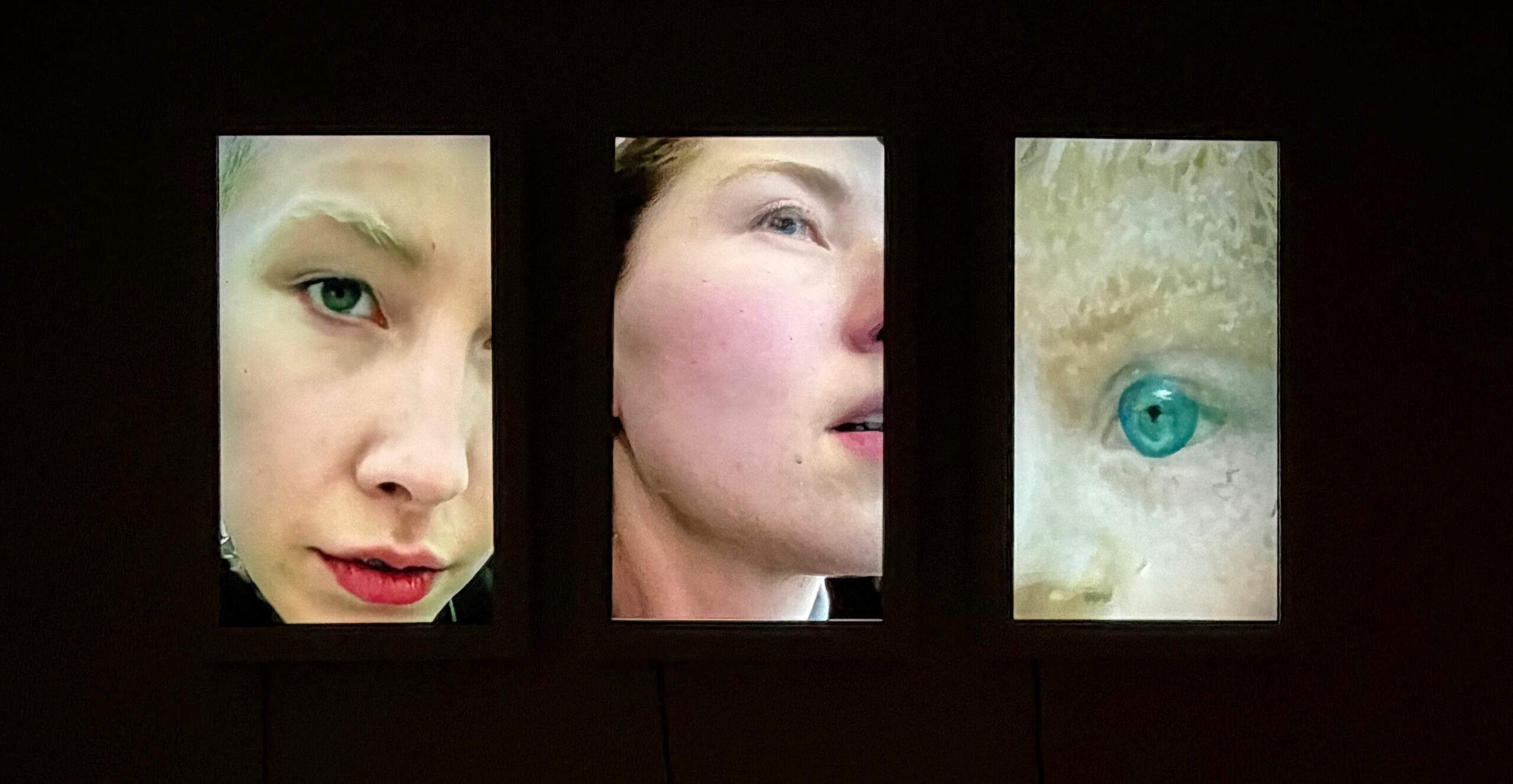
The discussion surrounding artificial intelligence (AI) and its impact on truth, power, and representation is at the forefront of an article that connects two seemingly unrelated events: the broadcast of a discussion by a British radio station regarding Grok, an AI flooded with non-consensual images, and the scandal in Cyprus involving a controversial video implicating political figures in corruption. Both incidents highlight the ease with which AI can be used to create and disseminate misleading information, destabilizing the relationship between truth and evidence. Thomas Dekeyser describes this phenomenon as "AI Authoritarianism," emphasizing how AI reinforces the desire for surveillance, repression, and concentration of power. The "Veiling Identities, Resisting Recognition" exhibition at NeMe in Limassol explores the intersections of power and technology, focusing on how they affect systems of imaging and representation. The exhibition's curator, Yannis Kolakidis, emphasizes the importance of resistance practices against technological control. The exhibition examines the use of human likeness as an interface tool, as well as the algorithmic generalization of data that leads to new ways of identification, such as facial recognition. A significant issue raised is user consent regarding the use of their data. Artist Aisling Phelan points out that by accepting terms of use on websites and applications, we often grant indefinite rights to companies to use our likeness for algorithm training or content production. This creates a situation where our privacy and autonomy are at stake. As a response to this situation, two resistance strategies are proposed: abstaining from social media or deliberately "flooding" the internet with altered and unverified information, aiming to destabilize algorithmic identification. This exhibition offers a critical look at the possibilities and risks of artificial intelligence, as well as the forms of resistance that can be developed against increasing technological surveillance.
You Might Also Like
Είναι η όσφρηση το επόμενο μεγάλο πεδίο της τέχνης;
Jan 1
Το νερό και νέες αφηγηματικές υποδομές
Jan 6
Η αισθητική της αδράνειας
Jan 14
MIGS: Η ισότητα των φύλων πεδίο διαρκούς διεκδίκησης – Το Μεσογειακό Ινστιτούτο Μελετών Κοινωνικού Φύλου γιόρτασε τα 25 χρόνια ζωής
Jan 18
«5‑star»: Το σώμα που έφυγε, το τοπίο που έμεινε στη ζωντανή περφόρμανς διαρκείας του PASHIAS
Jan 19