Αν η Mercosur μας έβαλε να σκεφτούμε το φαγητό μας, το Νταβός 2026 μας έβαλε να σκεφτούμε κάτι εξίσου κρίσιμο: ποιος θα κερδίσει από την επόμενη μεγάλη αύξηση παραγωγικότητας και με ποιους όρους.
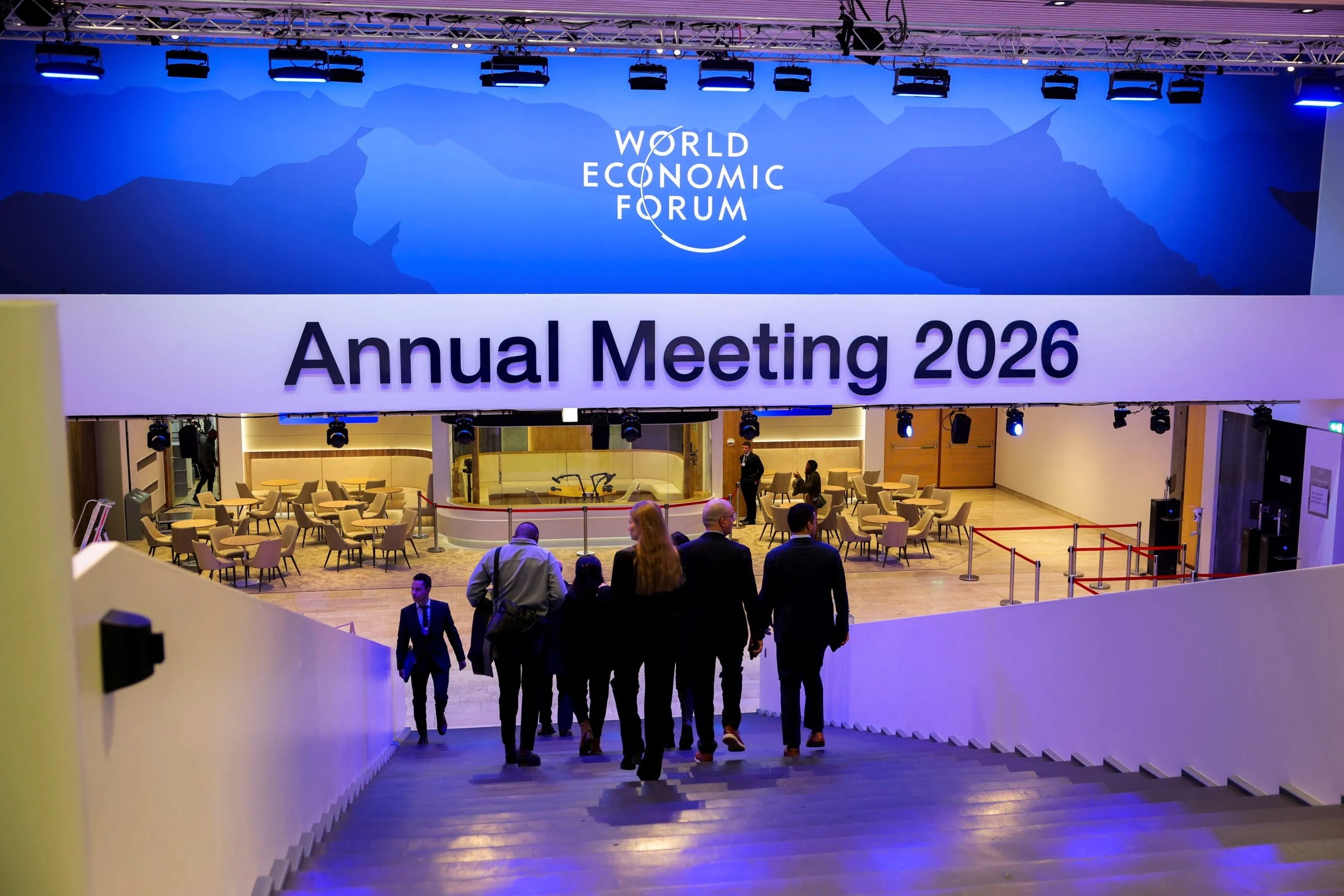
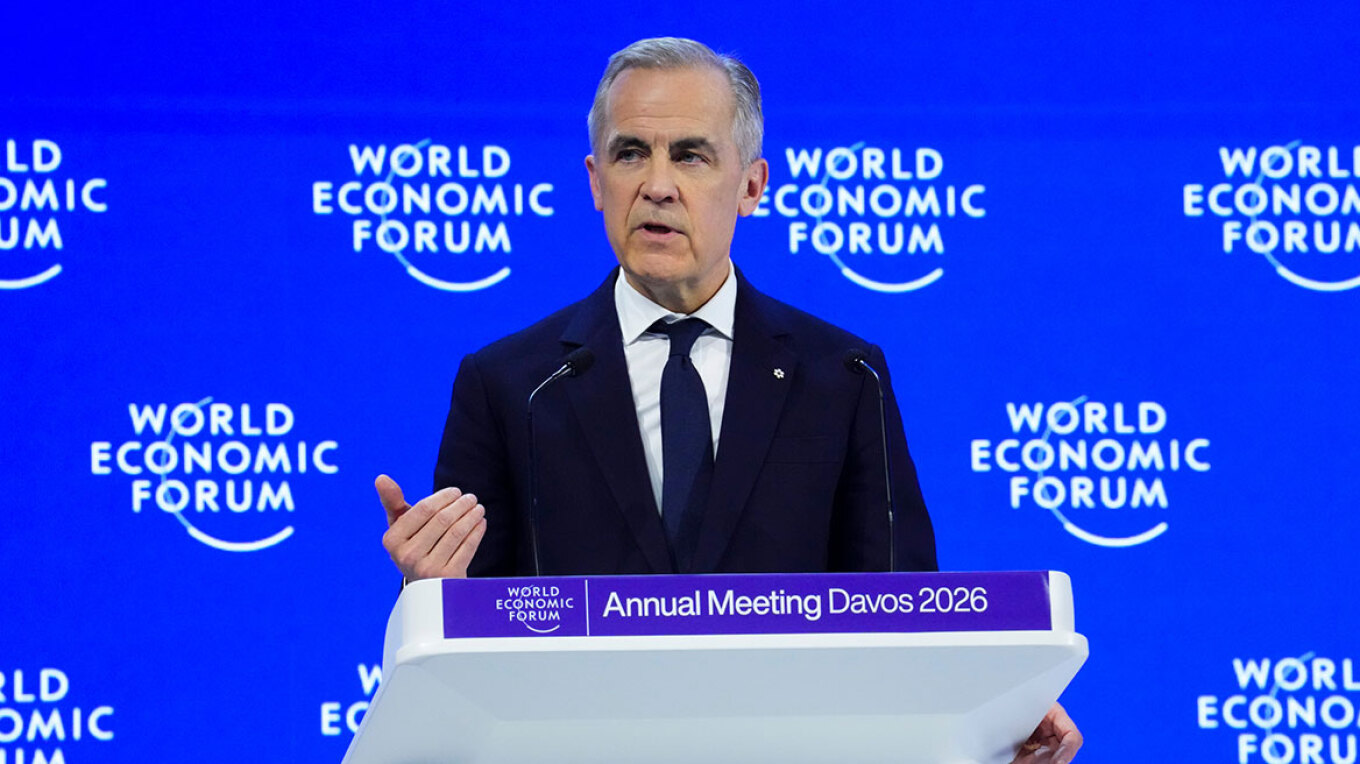
Το αποτύπωμα των συζητήσεων στο Παγκόσμιο Οικονομικό Φόρουμ θα μας ακολουθήσει όλο το 2026, όχι γιατί ειπώθηκαν «μεγάλες ιδέες», αλλά γιατί ειπώθηκε ξεκάθαρα κάτι πιο άβολο: οι μεγάλες αλλαγές στη διακυβέρνηση και στη διοίκηση δεν μπορούν να περιμένουν. Στην ειδική του ομιλία, ο πρωθυπουργός του Καναδά Mark Carney μίλησε για ένα διεθνές περιβάλλον όπου οι βεβαιότητες τελειώνουν και οι μεσαίες χώρες πρέπει να χτίσουν ανθεκτικότητα, συμμαχίες και στρατηγική αυτονομία.
Κάπου εδώ, δύο λέξεις μπαίνουν πια δίπλα-δίπλα και δεν θα ξεκολλήσουν εύκολα: AI και παραγωγικότητα. Η υπόσχεση είναι απλή: λιγότερος χρόνος για τις ίδιες δουλειές, περισσότερη παραγωγή με λιγότερους πόρους, νέα εργαλεία που επιταχύνουν αποφάσεις, διαδικασίες, υπηρεσίες. Η πραγματικότητα όμως είναι πιο σκληρή: η παραγωγικότητα δεν είναι «ένα νούμερο». Είναι ανταγωνιστικό πλεονέκτημα, και αυτό σημαίνει ότι δεν θα μοιραστεί αυτόματα δίκαια.
Στο κέντρο της συζήτησης εμφανίζονται ξανά οι κλασικοί παράγοντες ισχύος αλλά με νέα σειρά προτεραιότητας: ενέργεια, δεδομένα, υποδομές, ανθρώπινο κεφάλαιο. Και εδώ το παιχνίδι γίνεται γεωπολιτικό. Όποιος έχει πρόσβαση σε φθηνή/σταθερή ενέργεια, μεγάλα σύνολα δεδομένων, υπολογιστική ισχύ και ανθρώπους που ξέρουν να “τρέχουν” την τεχνολογία, θα τρέξει μπροστά. Όποιος μείνει στη συζήτηση, θα μείνει πίσω.
Και μετά έρχεται το πιο πρακτικό (και πιο πολιτικό) ερώτημα: τι κάνουμε με τον χρόνο που θα “ελευθερώσει” το AI; Γιατί αυτό, τελικά, είναι το μεγάλο έπαθλο. Όχι τα ρομπότ στη σκηνή — όσο εντυπωσιακά κι αν είναι. Ο Elon Musk μπορεί να υπόσχεται ότι το κοινό θα αγοράζει ανθρωποειδή ρομπότ «μέχρι το τέλος της επόμενης χρονιάς», όμως ακόμη κι αν αυτό αργήσει, το βέβαιο είναι ότι οι γραφειακές εργασίες και οι διαδικασίες ρουτίνας θα γίνονται σε χρόνους-ρεκόρ.
Αυτός ο χρόνος θα γίνει: παραγωγική υπεραξία για λίγους, ή κοινωνικό μέρισμα για πολλούς; Ο Larry Fink έβαλε το δίλημμα ωμά: αν το AI αυξήσει την ανισότητα, τότε «τι γίνεται με όλους τους υπόλοιπους;». Και δεν το είπε θεωρητικά το είπε ως προειδοποίηση ότι η νομιμοποίηση του οικονομικού συστήματος ήδη τρίζει.
Άρα, το πραγματικό στοίχημα δεν είναι αν το AI «θα πετύχει». Είναι ποιος θα ορίσει τους κανόνες και ποιος θα καρπωθεί την παραγωγικότητα.
Τι σημαίνει αυτό για εμάς (και τι χρειάζεται να κάνουμε)
Αν θέλουμε να είμαστε στην πλευρά των κερδισμένων, χρειαζόμαστε τρία πράγματα — με αυτή τη σειρά:
Δεξιότητες και πρόσβαση στα εργαλεία
Όχι γενικά «εκπαίδευση». Συγκεκριμένες δεξιότητες για εργαζόμενους, δημόσια διοίκηση και επιχειρήσεις: AI στην πράξη, αυτοματοποίηση διαδικασιών, data literacy, ασφάλεια.
Ενέργεια και υποδομές
Γιατί χωρίς ενέργεια και υπολογιστική ισχύ, το AI θα είναι πάντα «κάτι που αγοράζουμε απ’ έξω».
Δεδομένα με κανόνες
Το πιο μεγάλο πλεονέκτημα δεν είναι το μοντέλο. Είναι τα δεδομένα και το δικαίωμα να τα χρησιμοποιήσεις νόμιμα, με εμπιστοσύνη και ασφάλεια. (Αυτό είναι και το σημείο που κερδίζουν όσοι οργανώνονται γρήγορα).
Κλείνω όπως ξεκίνησα: όπως η Mercosur μπορεί να αλλάξει το πιάτο μας, έτσι το AI μπορεί να αλλάξει το εισόδημά μας, τον χρόνο μας, την καθημερινότητά μας. Αν όμως δεν απαντήσουμε έγκαιρα στο «ποιος κερδίζει και πώς», τότε η νέα παραγωγικότητα θα γίνει απλώς άλλη μία ιστορία όπου ένας νικητής τρέχει μπροστά και οι υπόλοιποι κοιτάζουν από μακριά.
Κωνσταντίνος Λοΐζου CEO – EMBIO Diagnostic
AI, Productivity, and the Future of Society: Key Takeaways from Davos 2026

The World Economic Forum in Davos 2026 focused on the relationship between Artificial Intelligence (AI) and productivity, emphasizing that the benefits will not be automatically distributed fairly. Discussions centered on the need for immediate changes in governance and administration, as AI is expected to accelerate processes and reduce the time required for tasks. Access to key resources such as energy, data, infrastructure, and human capital will determine who benefits most from the increase in productivity. The geopolitical dimension of the issue was highlighted, with emphasis on the need for resilience and strategic autonomy for middle countries. The central question that emerged is how the time "freed up" by AI will be used: will it become a source of productive surplus value for a few, or a social dividend for many? Larry Fink warned that increased inequality due to AI could undermine the legitimacy of the economic system. To benefit from the upcoming change, countries and citizens should focus on developing specific skills (AI, automation, data literacy, security), ensuring access to affordable energy and infrastructure, and creating rules for data management. The challenge is not whether AI will succeed, but who will set the rules and reap the benefits.
You Might Also Like
Νταβός: Παγκόσμιο Οικονομικό Φόρουμ κάτω από τη σκιά Τραμπ και τις απειλές για Γροιλανδία
Jan 25

Των Μοναχικών Διάβαση Αδιάβατων Μονοπατιών
Jan 25
Την στιγμή που ο Καναδός πρωθυπουργός χαστούκισε τον Τραμπ, γεννήθηκε η ελπίδα!
Jan 25
«Οι ισχυροί κάνουν ό,τι μπορούν και οι αδύναμοι υποφέρουν ό,τι πρέπει» – Η ιστορική αναφορά Κάρνεϊ στον Θουκυδίδη
Jan 26