Το 2026 δεν αναμένεται να είναι απλώς ένα ακόμη έτος αυξημένων διεθνών εντάσεων. Θα αποτελέσει σημείο καμπής, καθώς η γεωπολιτική παύει να λειτουργεί ως μακρινό «φόντο» των εξελίξεων και μετατρέπεται στον βασικό παράγοντα που διαμορφώνει την παγκόσμια οικονομία, την ασφάλεια και τις στρατηγικές επιλογές κρατών και επιχειρήσεων. Σε έναν κόσμο πιο πολυπολικό, πιο κατακερματισμένο και σαφώς πιο απρόβλεπτο, η διαχείριση κινδύνου αντικαθιστά τη λογική της απλής μεγιστοποίησης αποδοτικότητας που χαρακτήρισε τις προηγούμενες δεκαετίες.
Το νέο διεθνές πλαίσιο χαρακτηρίζεται από τη μετάβαση από την παγκοσμιοποίηση των κανόνων στην παγκοσμιοποίηση των ανταγωνισμών. Οι σταθερές που κυριάρχησαν επί χρόνια, όπως το ελεύθερο εμπόριο, αξιόπιστες και διεθνώς κατανεμημένες αλυσίδες εφοδιασμού, τεχνολογική ουδετερότητα, υποχωρούν. Στη θέση τους εμφανίζονται δασμοί, επιδοτήσεις, έλεγχοι εξαγωγών και μια έντονη επιστροφή του κράτους ως ρυθμιστή και παίκτη της οικονομίας. Η γεωοικονομία μετατρέπεται σε βασικό εργαλείο εξωτερικής πολιτικής, με το εμπόριο, την ενέργεια, την τεχνολογία και ακόμη και τα κρυπτονομίσματα να χρησιμοποιούνται συνειδητά για άσκηση ισχύος και επιρροής.
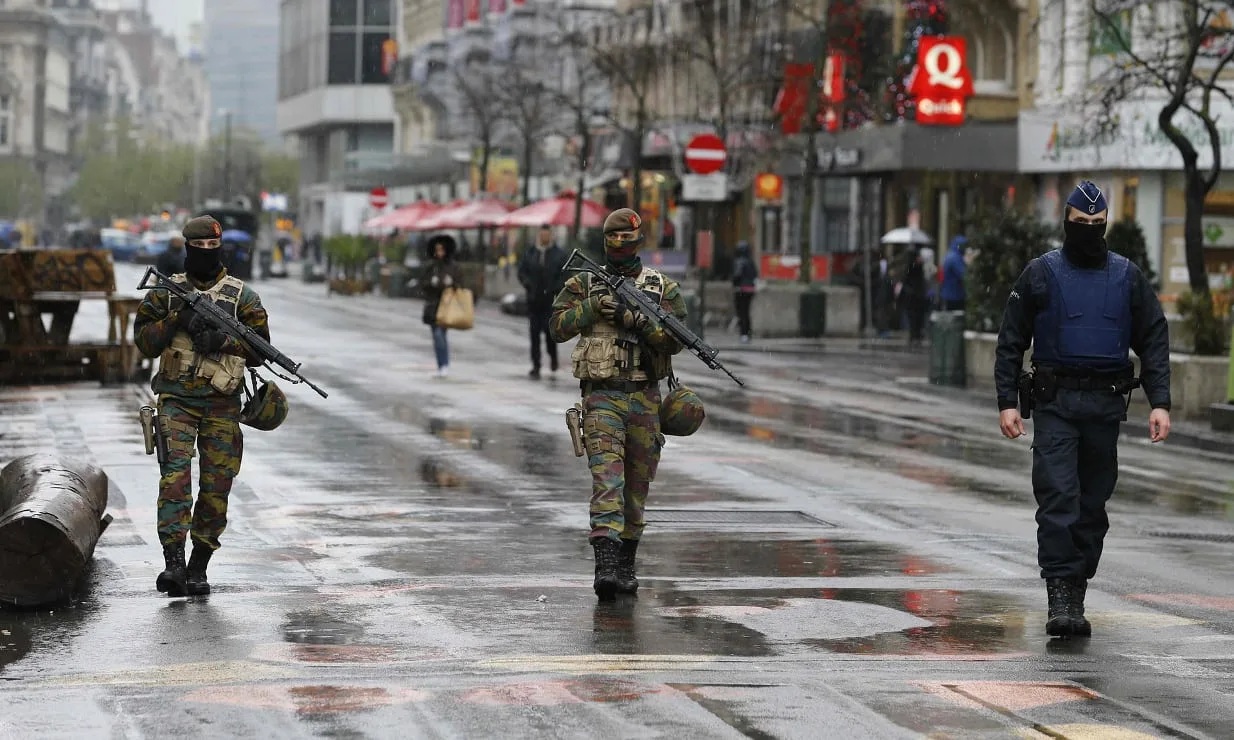
Πέντε βασικές γεωπολιτικές τάσεις καθορίζουν το 2026. Πρώτον, η επιτάχυνση της πολυπολικότητας, με πολλαπλά κέντρα ισχύος και απουσία σταθερών ισορροπιών. Δεύτερον, η γεωπολιτική της σπανιότητας, ήτοι κρίσιμα ορυκτά, νερό, ενέργεια και ηλεκτρικά δίκτυα αναδεικνύονται σε στρατηγικούς πόρους, συγκρίσιμους με το πετρέλαιο του 20ού αιώνα. Τρίτον, η τεχνολογία ως πεδίο αντιπαράθεσης, με την τεχνητή νοημοσύνη, τους ημιαγωγούς και τον κυβερνοχώρο να αντιμετωπίζονται ως ζητήματα εθνικής ασφάλειας. Τέταρτον, η αποδυνάμωση των πολυμερών θεσμών και η στροφή σε διμερείς ή περιφερειακές συμφωνίες, συχνά προσαρμοσμένες σε στενά εθνικά συμφέροντα. Πέμπτον, η επιστροφή της σκληρής ασφάλειας, με αυξημένες στρατιωτικές δαπάνες και μεγαλύτερο κίνδυνο κλιμάκωσης.
Η παγκόσμια οικονομία μέσα σε αυτό το περιβάλλον γίνεται πιο αργή και πιο εύθραυστη. Το διεθνές εμπόριο επιβραδύνεται όχι λόγω έλλειψης ζήτησης, αλλά λόγω πολιτικών φραγμών και αυξημένου κόστους συμμόρφωσης. Οι δασμοί και οι περιορισμοί μετακυλίονται στους καταναλωτές, ενισχύοντας τις πληθωριστικές πιέσεις, ενώ τα υψηλά επίπεδα δημόσιου χρέους περιορίζουν τα περιθώρια κρατικής παρέμβασης σε περιόδους κρίσης. Το αποτέλεσμα είναι ένας κόσμος πιο ακριβός, πιο ασταθής και πιο νευρικός απέναντι σε κάθε νέο σοκ.
Ιδιαίτερη βαρύτητα αποκτά η τεχνητή νοημοσύνη, όχι μόνο ως τεχνολογία παραγωγικότητας αλλά ως πολλαπλασιαστής ισχύος. Το 2026 αναδεικνύεται η έννοια της «κυρίαρχης AI», με τα κράτη να επιδιώκουν έλεγχο δεδομένων, υποδομών και αλγορίθμων, οδηγώντας σε τεχνολογικό κατακερματισμό και στη δημιουργία διαφορετικών μπλοκ κανόνων και προτύπων.
Για την Ευρώπη, και ειδικότερα για χώρες όπως η Κύπρος και η Ελλάδα, οι εξελίξεις αυτές αποτελούν ταυτόχρονα πρόκληση και ευκαιρία. Η γεωπολιτική αστάθεια αυξάνει τη σημασία της περιφερειακής ασφάλειας, της ναυτιλίας και της ενέργειας στην Ανατολική Μεσόγειο, αλλά ταυτόχρονα απαιτεί επενδύσεις σε κυβερνοασφάλεια, υποδομές και ανθρώπινο κεφάλαιο. Το βασικό μήνυμα του 2026 είναι σαφές: η γεωπολιτική δεν είναι πλέον έκτακτο γεγονός, αλλά μόνιμη συνθήκη. Όσοι κατανοήσουν έγκαιρα τον νέο χάρτη ισχύος και επενδύσουν στην ανθεκτικότητα και την προσαρμοστικότητα θα αποκτήσουν πλεονέκτημα. Όσοι τον αγνοήσουν, είναι πολύ πιθανό να πληρώσουν το τίμημα.
2026: The Year Geopolitics Becomes Everyday Life
2026 is expected to mark a shift in the global order, where geopolitics will dominate the economy, security, and strategic decisions. The globalization of rules will give way to competition, with increased state control and the use of geoeconomics as a tool of foreign policy. Five key trends will define the year: the acceleration of multipolarity, the geopolitics of resource scarcity, technology as a field of confrontation, the weakening of multilateral institutions, and the return of hard security. The global economy will become slower and more unstable, with political barriers to trade and inflationary pressures. High public debt will limit state intervention during times of crisis, creating a more expensive and nervous world. Artificial intelligence will gain particular importance, not only as a productivity technology but also as a force multiplier, leading to technological fragmentation. For Europe, and especially for Cyprus and Greece, these developments present both challenges and opportunities. Geopolitical instability increases the importance of regional security and shipping. The need to adapt to a more uncertain environment requires strategic thinking and cooperation. In summary, 2026 is shaping up to be a year full of challenges and changes, where geopolitics will shape everyday life and require adaptability and risk management from states and businesses.
You Might Also Like
Από τη δύση του 2025 στις προκλήσεις του 2026
Dec 28
Η Τεχνητή Νοημοσύνη το 2026: Τα διλλήματα, οι επενδύσεις και το τι θα γίνει αν σκάσει η… «φούσκα»
Dec 28
Σταύρος Σταύρου/ΚΕΒΕ: Ρεαλιστικός σχεδιασμός και στοχευμένες μεταρρυθμίσεις για το 2026
Dec 29

2026: Έτος επιλογών, ευκαιριών και ευθύνης για την Κύπρο
Dec 30

2026: Έτος επιλογών, ευκαιριών και ευθύνης για την Κύπρο
Dec 30