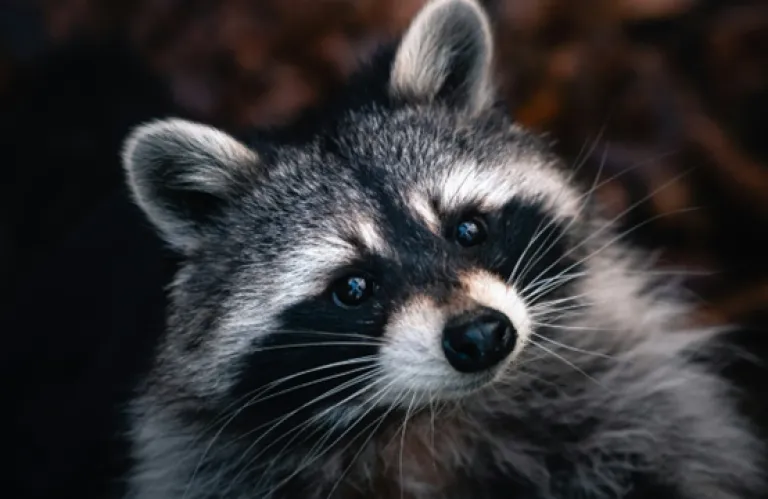
Όταν ένα ρακούν εισέβαλε σε κατάστημα αλκοολούχων ποτών στη Βιρτζίνια τον Δεκέμβριο του 2025, δοκίμασε το εμπόρευμα και κατέληξε λιπόθυμο στο πάτωμα, το περιστατικό έγινε αμέσως viral.
Πέρα από το χιουμοριστικό του γεγονότος, το επεισόδιο έφερε ξανά στο προσκήνιο ένα λιγότερο γνωστό γεγονός: τα ρακούν είναι από τα πιο ευφυή και υποτιμημένα θηλαστικά που ζουν δίπλα στον άνθρωπο.
Παρότι συνυπάρχουν με τις ανθρώπινες κοινωνίες εδώ και αιώνες, τα ρακούν έχουν μείνει στο περιθώριο της επιστημονικής έρευνας. Η νευροεπιστήμονας Kelly Lambert εξηγεί ότι ο λόγος δεν είναι η έλλειψη νοημοσύνης, αλλά το αντίθετο, καθώς τα ρακούν αποδείχθηκαν υπερβολικά ικανά, ευέλικτα και απρόβλεπτα για τα παραδοσιακά εργαστηριακά μοντέλα.
Σε παλαιότερα πειράματα, μάλιστα, κατάφερναν συστηματικά να αποδρούν από τα εργαστήρια.
Η συμπεριφορά των ρακούν ως δείγμα για τον άνθρωπο
Σύγχρονες μελέτες δείχνουν ότι ο εγκέφαλος του ρακούν περιέχει εντυπωσιακά μεγάλο αριθμό νευρώνων, συγκρίσιμο με εκείνον πρωτευόντων θηλαστικών. Διαθέτει επίσης εξειδικευμένα νευρικά κύτταρα που σχετίζονται με τη λήψη γρήγορων αποφάσεων, τον έλεγχο παρορμήσεων και την επεξεργασία σύνθετων ερεθισμάτων.
Τα μπροστινά του άκρα, εξαιρετικά ευκίνητα, καταλαμβάνουν μεγάλο «χώρο» στον εγκεφαλικό φλοιό, με τρόπο που θυμίζει την ανθρώπινη χρήση των χεριών.
Οι επιστήμονες εκτιμούν ότι η μελέτη της συμπεριφοράς των ρακούν σε φυσικά περιβάλλοντα -και όχι σε περιορισμένα εργαστήρια- μπορεί να προσφέρει πολύτιμες γνώσεις για τη μνήμη, τη φαντασία και την προσοχή.
Τελικά, κατανοώντας καλύτερα το μυαλό ενός ρακούν, ίσως πλησιάζουμε λίγο περισσότερο στην κατανόηση της ίδιας της ανθρώπινης νοημοσύνης.
Με πληροφορίες από The Conversation
What Raccoons Can Teach Us About Human Intelligence
When a raccoon broke into a liquor store in Virginia in December 2025, sampled the merchandise, and ended up passed out on the floor, the incident quickly went viral. Beyond the humorous aspect, the episode brought renewed attention to a lesser-known fact: raccoons are among the most intelligent and underestimated mammals living alongside humans. Despite coexisting with human societies for centuries, raccoons have remained on the periphery of scientific research. Neuroscientist Kelly Lambert explains that the reason is not a lack of intelligence, but rather the opposite, as raccoons proved to be too capable, flexible, and unpredictable for traditional laboratory models. In past experiments, they even managed to systematically escape from laboratories. Raccoon behavior as a sample for humans Recent studies show that the raccoon brain contains an impressively large number of neurons, comparable to that of primates. It also has specialized nerve cells associated with making quick decisions, controlling impulses, and processing complex stimuli. Their forelimbs, extremely agile, occupy a large "space" in the cerebral cortex, in a way that resembles human hand use. Scientists believe that studying raccoon behavior in natural environments – and not in confined laboratories – can provide valuable insights into memory, imagination, and attention. Ultimately, by better understanding the mind of a raccoon, we may be getting closer to understanding human intelligence itself. With information from The Conversation
You Might Also Like

Το αρχαίο έλαιο με πολλαπλά οφέλη για πέψη, πονοκεφάλους και άγχος
Jan 15

Νατάσσα Φρειδερίκου: Με τον βιασμό ο πόλεμος μεταφέρεται από το πεδίο της μάχης στα σώματα των γυναικών
Jan 16

Η γλώσσα των νέων: Από το ghostly, στo Chillaro, vibaro, σκρολάρω και cringaro – Μια νέα «ηλεκτρονική αποικιοκρατία»
Jan 18

Γιατί έχετε συνέχεια κρύα χέρια και πόδια. Πώς θα τα ζεστάνετε
Jan 18