Τα Στενά του Ορμούζ από την αρχαιότητα μέχρι σήμερα, αποτέλεσαν αιτία συγκρούσεων για αυτοκρατορίες οι οποίες επιδίωκαν τον έλεγχο αυτής της στενής θαλάσσιας λωρίδας που ενώνει πλούτο, ενέργεια και γεωπολιτική ισχύ.
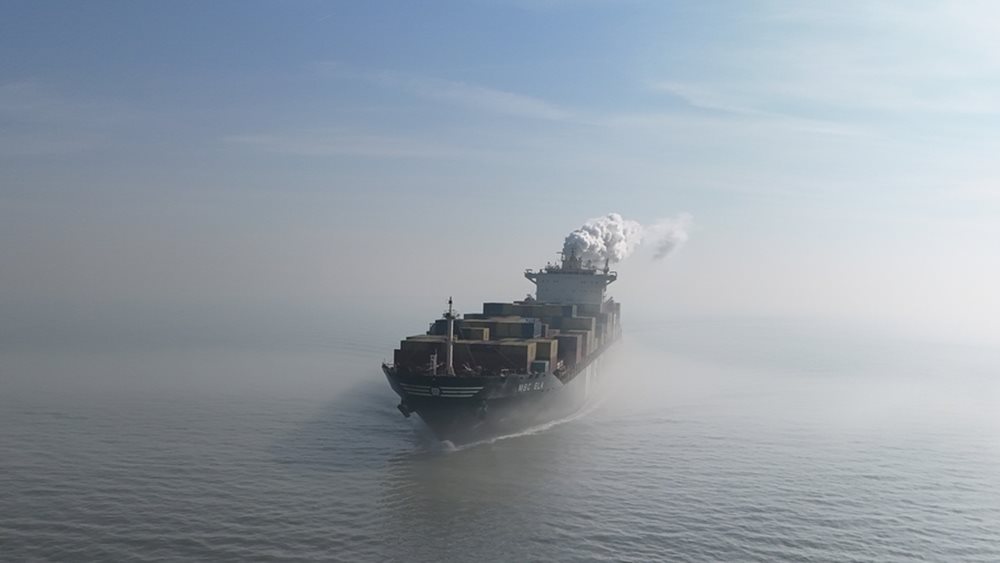
Στο στενότερο σημείο του, το ναυτιλιακό πέρασμα στα Στενά του Ορμούζ δεν ξεπερνά τα 3 χιλιόμετρα. Κι όμως, από εκεί περνά περίπου το 20% του παγκόσμιου πετρελαίου.
Αυτό το γεωγραφικό «ατύχημα» δίνει στο Ιράν τεράστια ισχύ: ελέγχει τη βόρεια ακτή και μπορεί να επηρεάσει άμεσα τη ροή ενέργειας προς την παγκόσμια οικονομία.
Δεν είναι τυχαίο ότι σήμερα η σύγκρουση επανέρχεται με τέτοια ένταση. Είναι απλώς το τελευταίο κεφάλαιο μιας πολύ παλιάς ιστορίας, σημειώνει η Wall Street Journal και μας θυμίζει τα όσα έχουν γίνει αιώνες πριν.
Από την αρχαία Περσία στους θαλασσοπόρους της Ανατολής
Από την εποχή της αρχαίας Περσίας, το Ορμούζ ήταν κόμβος εμπορίου. Μπαχαρικά, μετάξι και πολύτιμοι λίθοι από την Ινδία περνούσαν από εκεί με προορισμό τη Βαγδάτη και τελικά την Ευρώπη.
Θαλασσοπόροι όπως ο Μάρκο Πόλο περιέγραψαν τον πλούτο αλλά και τους κινδύνους της περιοχής, ενώ ακόμη και κινεζικοί στόλοι του 15ου αιώνα έφτασαν μέχρι εκεί.
Το Ορμούζ δεν ήταν απλώς πέρασμα. Ήταν ένας από τους πλουσιότερους κόμβους του κόσμου.
Αυτοκρατορίες σε σύγκρουση
Έλληνες, Οθωμανοί και Πορτογάλοι επιχείρησαν κατά καιρούς να ελέγξουν το στενό, σημειώνει η WSJ. Οι συγκρούσεις για την κυριαρχία του ήταν συνεχείς, καθώς όποιος το κατείχε μπορούσε να ελέγξει το εμπόριο Ανατολής–Δύσης.
Τον 19ο αιώνα, Ευρωπαίοι έμποροι έφτασαν να αποκαλούν την περιοχή «Ακτή των Πειρατών», λόγω των επιθέσεων σε εμπορικά πλοία από ομάδες που δρούσαν από τις ακτές του σημερινού Κόλπου.
Η λογική ήταν ίδια με σήμερα: έλεγχος του περάσματος σημαίνει δύναμη.
Το πετρέλαιο αλλάζει τα πάντα
Η σημασία της περιοχής εκτοξεύεται τη δεκαετία του 1930, όταν ανακαλύπτονται μεγάλα κοιτάσματα πετρελαίου στη Σαουδική Αραβία και το Μπαχρέιν.
Από εκείνη τη στιγμή, τα Στενά του Ορμούζ δεν είναι απλώς εμπορικός κόμβος — γίνονται η «αρτηρία» της παγκόσμιας ενέργειας.
Για δεκαετίες, η ασφάλεια του Κόλπου περνά πρώτα από τη Βρετανία και στη συνέχεια από τον φιλοδυτικό Σάχη του Ιράν. Όλα αλλάζουν με την Ιρανική Επανάσταση του 1979.
Η στιγμή που η Ουάσιγκτον αλλάζει δόγμα
Η κρίση με το Ιράν οδηγεί τις ΗΠΑ σε μια νέα στρατηγική. Ο πρόεδρος Τζίμι Κάρτερ δηλώνει το 1980 ότι οποιαδήποτε προσπάθεια ελέγχου του Περσικού Κόλπου θα θεωρηθεί επίθεση στα ζωτικά συμφέροντα των ΗΠΑ.
Έκτοτε, κάθε Αμερικανός πρόεδρος έρχεται αντιμέτωπος με το ίδιο δίλημμα: πώς να προστατεύσει τη ναυσιπλοΐα χωρίς να οδηγηθεί σε ευρύτερο πόλεμο.
Η πιο κοντινή σύγκριση με το σήμερα έρχεται στον «πόλεμο των τάνκερ» τη δεκαετία του 1980, όταν Ιράν και Ιράκ επιτίθενται σε πετρελαϊκές υποδομές και οι ΗΠΑ αναλαμβάνουν συνοδεία πλοίων.
Το ίδιο έργο, σε πιο επικίνδυνη εκδοχή
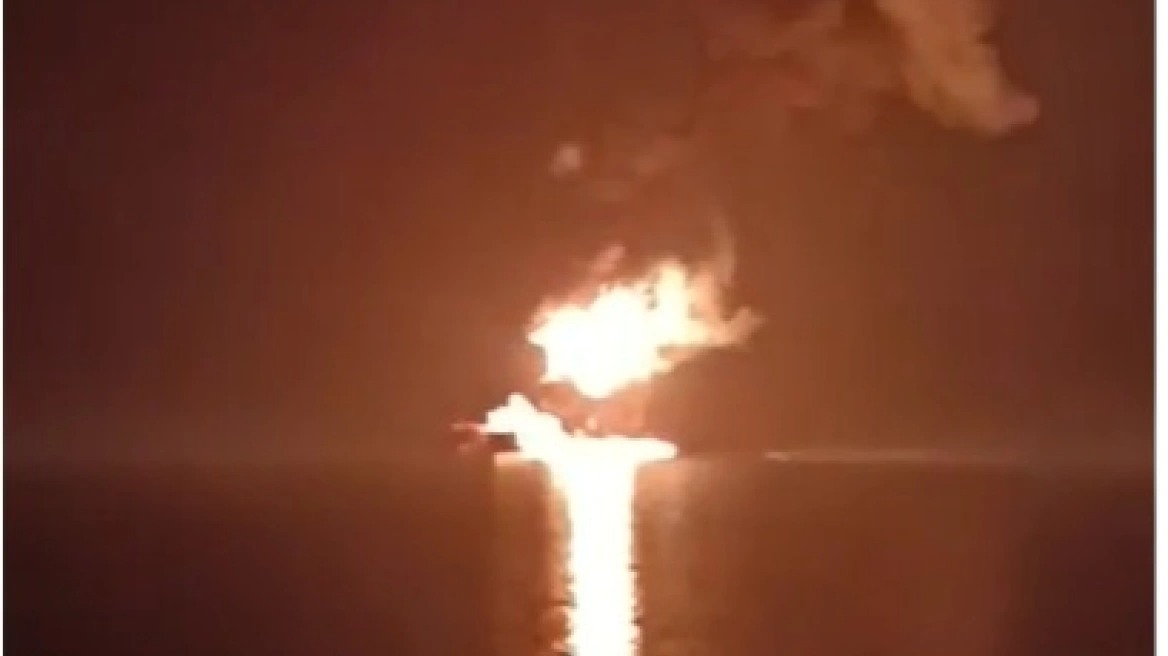
Σήμερα, το Ιράν επαναφέρει μια παλιά στρατηγική: πλήγματα σε πλοία, drones, επιθέσεις σε λιμάνια — όλα με στόχο να αποτρέψει τη διέλευση και να ασκήσει πίεση μέσω των τιμών ενέργειας.
Η διαφορά είναι ότι πλέον οι αγορές είναι πιο ευαίσθητες, η εξάρτηση από την ενέργεια μεγαλύτερη και οι γεωπολιτικές ισορροπίες πιο εύθραυστες.
Όπως σημειώνουν αναλυτές, το Ορμούζ δεν είναι απλώς ένα στενό. Είναι το σημείο όπου συναντώνται πόροι, πλούτος και ισχύς.
Και γι’ αυτό, εδώ και αιώνες, όλοι θέλουν να το ελέγξουν.
Strait of Hormuz: A Historical and Geopolitical Hotspot
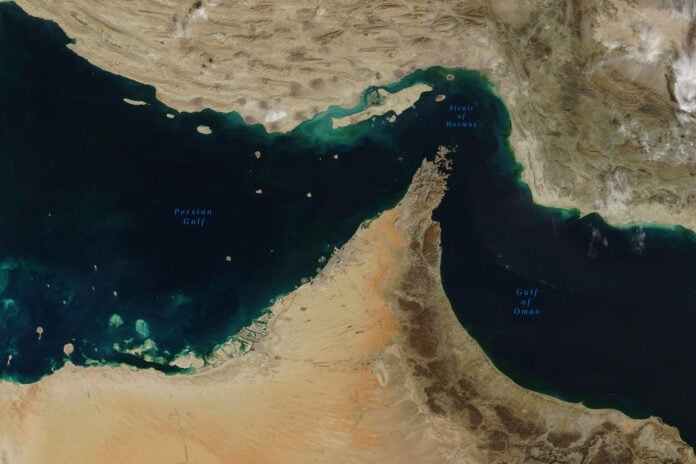
The Strait of Hormuz, a critical maritime passage, has played a significant role in history and geopolitics since antiquity. With just 3 kilometers wide at its narrowest point, it handles approximately 20% of the world's oil, making it vital for the global economy and energy security. Iran, controlling the northern coast, holds significant geopolitical power. From ancient Persia to seafarers and empires, the Strait of Hormuz has been a subject of conflict and control. Greeks, Ottomans, and Portuguese sought to dominate the region, recognizing its strategic importance for East-West trade. The area was known for its wealth and dangers, with piracy being a frequent occurrence. The discovery of large oil reserves in Saudi Arabia and Bahrain in the 1930s dramatically increased the importance of the Strait of Hormuz, transforming it into an 'artery' for global energy. The security of the region passed into the hands of Britain and later the Shah of Iran, until the Iranian Revolution of 1979. The US, after the 1979 revolution, formulated a new strategy to protect navigation in the region, declaring that any attempt to control the Persian Gulf would be considered an attack on its vital interests. Today, Iran is reviving a strategy of attacks on ships and ports, aiming to disrupt energy flows and exert pressure through energy prices.