Το περασμένο καλοκαίρι, μια γαλλική εφημερίδα-ταμπλόιντ αποκάλυψε -μέσω “παγίδας”- ότι σε ορισμένα από τα πιο τουριστικά καφέ του Παρισιού, οι Αμερικανοί (ή τουλάχιστον δημοσιογράφοι που υποδύθηκαν τους Αμερικανούς) πλήρωναν έως και 50% ακριβότερα από τους ντόπιους για τον ίδιο καφέ ή το ίδιο κρουασάν. Για πολλούς ταξιδιώτες, που πιστεύουν στο “αναφαίρετο δικαίωμα του τουρίστα να ζει σαν ντόπιος”, αυτό έμοιαζε με πρόκληση. Οι Παριζιάνοι ωστόσο, που το καλοκαίρι του 2025 διαδήλωναν κατά της μετατροπής της πόλης τους σε Disneyland, φάνηκαν σχεδόν αδιάφοροι.
Κι αν τελικά τα καφέ έκαναν το σωστό; Στις 20 Ιανουαρίου, ο ΟΗΕ ανακοίνωσε ότι οι διεθνείς τουριστικές αφίξεις σε παγκόσμια κλίμακα έφτασαν το 1,52 δισ. το 2025, σχεδόν 4% υψηλότερα από το ρεκόρ του 2019. Περισσότεροι από τους μισούς ταξιδιώτες κατευθύνθηκαν στην Ευρώπη. Με τις πόλεις να λυγίζουν υπό την πίεση των μαζικών τουριστικών “κυμάτων”, όλο και περισσότεροι αναζητούν τρόπους να καταστεί ο τουρισμός βιώσιμος. Η χρέωση τουρίστα και ντόπιου με διαφορετικές τιμές ίσως να μην είναι “απάτη”, αλλά μέρος της λύσης.
Ο υπερτουρισμός δεν είναι νέο φαινόμενο. Έγινε όμως οξύτερος μετά την πανδημία, καθώς το λεγόμενο “revenge travel”, η εκδίκηση για τα χαμένα χρόνια των lockdown, εκτόξευσε τη ζήτηση και έφερε δυναμική επιστροφή για αεροπορικές εταιρείες και επιχειρήσεις κρουαζιέρας. Σε έναν κόσμο αβεβαιότητας, η Ευρώπη λειτουργεί ως “ασφαλές καταφύγιο”. “Είναι η τελευταία περιοχή όπου οι άνθρωποι νιώθουν άνετα”, λέει ο καθηγητής Στέφαν Γκέσλινγκ από το Πανεπιστήμιο Linnaeus. “Υπάρχει ασφάλεια, θεσμοί, προβλεψιμότητα. Είναι ιδανικός προορισμός”.
Ταυτόχρονα, οι κορυφαίοι προορισμοί πέφτουν θύματα της ίδιας τους της επιτυχίας. Σχεδόν οι μισοί Γερμανοί έχουν επισκεφθεί την Ιταλία τουλάχιστον τρεις φορές στη ζωή τους. Το Παρίσι “είναι πάντα καλή ιδέα” ως προορισμός απόδρασης. Οι πλατφόρμες βραχυχρόνιας μίσθωσης, τα φθηνά αεροπορικά και τα social media έχουν μετατρέψει ολόκληρες γειτονιές σε σκηνικά για φωτογράφιση. Μουσεία και αρχαιολογικοί χώροι έχουν εμπειρία στη διαχείριση πλήθους, μικρότεροι όμως και πιο “τοπικοί” χώροι ασφυκτιούν.
Η Αουρόρα Πέδρο Πίντο, διαχειρίστρια του βιβλιοπωλείου Livraria Lello στο Πόρτο της Πορτογαλίας – το οποίο δέχεται 1,2 εκατ. επισκέπτες ετησίως – λέει ότι το πρόβλημα δεν είναι ο αριθμός των επισκεπτών: “Είναι η έλλειψη πολιτισμικού βάθους”. Οι τουρίστες θέλουν τη φωτογραφία, όχι την εμπειρία.
Αίσθηση
Συνήθως ερμηνεύουμε την έννοια του υπερτουρισμού ως συνωστισμό στη Μόνα Λίζα ή στα τείχη του Ντουμπρόβνικ. Στην ουσία όμως είναι η αίσθηση των κατοίκων ότι ο μαζικός τουρισμός υποβαθμίζει τη ζωή τους. Παραδοσιακά μαγαζιά κλείνουν και αντικαθίστανται από “άψυχα” καταστήματα πώλησης σουβενίρ ή σερβιρίσματος παγωτού, καθώς και από καταστήματα-ατραξιόν. Ένα viral βίντεο στο TikTok μπορεί να “κάψει” ένα τοπικό εστιατόριο σε μία νύχτα, απομακρύνοντας τους ντόπιους. Οι αγορές ακινήτων αλλοιώνονται από τη λογική του Airbnb.
Στο Παρίσι, το βιβλιοπωλείο Shakespeare and Company, που κάποτε δεχόταν 30 άτομα τη μέρα, φιλοξενεί πλέον 2.000–3.000 επισκέπτες καθημερινά. “Δεν μπορείς να έχεις αυθεντική αλληλεπίδραση όταν πρέπει να μιλάς με 2.000 ανθρώπους ημερησίως”, λέει η ιδιοκτήτρια Σύλβια Γουίτμαν.
Οι αντιδράσεις κλιμακώνονται: διαδηλώσεις σε μεγάλες πόλεις, με τουρίστες να δέχονται επιθέσεις με… νεροπίστολα, όπως στη Βαρκελώνη. Οι λύσεις όμως είναι σύνθετες και συχνά αντικρουόμενες. Η αύξηση τιμών ή τα όρια πρόσβασης βοηθούν στη διαχείριση, αλλά μπορεί να εντείνουν τη ζήτηση, στέλνοντας το μήνυμα ότι ο προορισμός “αξίζει τον κόπο”.
Στη Βενετία, το τέλος εισόδου δεν μείωσε ουσιαστικά τα πλήθη που συρρέουν στην περιοχή. Στο Μπουτάν, τα υψηλά ημερήσια τέλη κράτησαν τον τουρισμό ελεγχόμενο, αλλά πια σαν αποκλειστικό προνόμιο όσων μπορούν να πληρώσουν. Η αύξηση των αεροπορικών ναύλων πλήττει κυρίως όσους ταξιδεύουν σπάνια, ενώ το 1% του πληθυσμού πραγματοποιεί το 50% των πτήσεων.
Ο όρος-κλειδί στη συζήτηση είναι “διασπορά”: όχι λιγότερος τουρισμός, αλλά λιγότερη συγκέντρωση σε σημεία τουριστικής “αιχμής”. Στα Νησιά Φερόε, οι αρχές ενσωμάτωσαν λιγότερο γνωστά σημεία στα συστήματα πλοήγησης ενοικιαζόμενων αυτοκινήτων. Οι επισκέπτες νιώθουν έτσι περισσότερο “σαν ντόπιοι” και τα οφέλη μοιράζονται.
Η τεχνολογία, η οποία πυροδότησε τον υπερτουρισμό, ίσως να είναι και το εργαλείο ανάσχεσής του: αισθητήρες, δεδομένα σε πραγματικό χρόνο, ειδοποιήσεις για συνωστισμό, ακόμη και AI που να “σπρώχνει” ταξιδιώτες σε λιγότερο κορεσμένα σημεία.
Όμως ο υπερτουρισμός γίνεται εκρηκτικός όταν τα οικονομικά οφέλη δεν αποτυπώνονται ορατά στη ζωή των ντόπιων. Στην Ισπανία, οι αφίξεις έχουν αυξηθεί 80% από το 2010, ωστόσο οι πραγματικοί μισθοί μειώθηκαν. Οι κρουαζιέρες φέρνουν χιλιάδες επισκέπτες ημερησίως, με περιορισμένη κατανάλωση. Πλατφόρμες κρατήσεων και βραχυχρόνιας μίσθωσης απορροφούν σημαντικό μέρος της αξίας.
Η Airbnb βρίσκεται στο στόχαστρο, με τη Βαρκελώνη να καταργεί τις τουριστικές μισθώσεις. Οι ειδικοί όμως επισημαίνουν τη λεπτή ισορροπία: η αρχική ιδέα -διαμονή σε κατοικίες κι όχι σε ξενοδοχεία- θα μπορούσε να βοηθήσει την περιφέρεια. Η σημερινή πραγματικότητα, όμως, συρρικνώνει απλώς την προσφορά στέγης.
Μέτρα
“Το πρόβλημα δεν είναι γενικά οι πολλοί τουρίστες, αλλά οι πολλοί τουρίστες στις πόλεις”, λέει ο καθηγητής Νόελ Σαλαζάρ. Παρά ταύτα, η αλλαγή συμπεριφοράς είναι εξαιρετικά δύσκολη. Οι άνθρωποι σε διακοπές λειτουργούν συναισθηματικά, όχι ορθολογικά.
Κι όμως, μόνο το 2–4% του παγκόσμιου πληθυσμού ταξιδεύει διεθνώς κάθε χρόνο. Καθώς η παγκόσμια μεσαία τάξη μεγαλώνει, η πίεση θα αυξάνεται. “Υπάρχει μόνο ένα Παρίσι και μόνο μία Βενετία”, υπενθυμίζει ο Γκέσλινγκ.
Οι ερευνητές συμφωνούν σε ένα πράγμα: όταν ο υπερτουρισμός παγιωθεί, δύσκολα αναστρέφεται. Ίσως να χρειαστούν ριζοσπαστικά μέτρα – από περιορισμούς και χρηματικά τέλη έως ακριβότερα ταξίδια. Τι θα γινόταν αν ταξιδεύαμε πιο σπάνια και πιο συνειδητά;
Το ερώτημα παραμένει ανοιχτό. Ο λογαριασμός όμως έχει ήδη αρχίσει να έρχεται.
Απόδοση – Επιμέλεια: Γιώργος Δ. Παυλόπουλος
Who Will Pay the Bill for Overtourism?
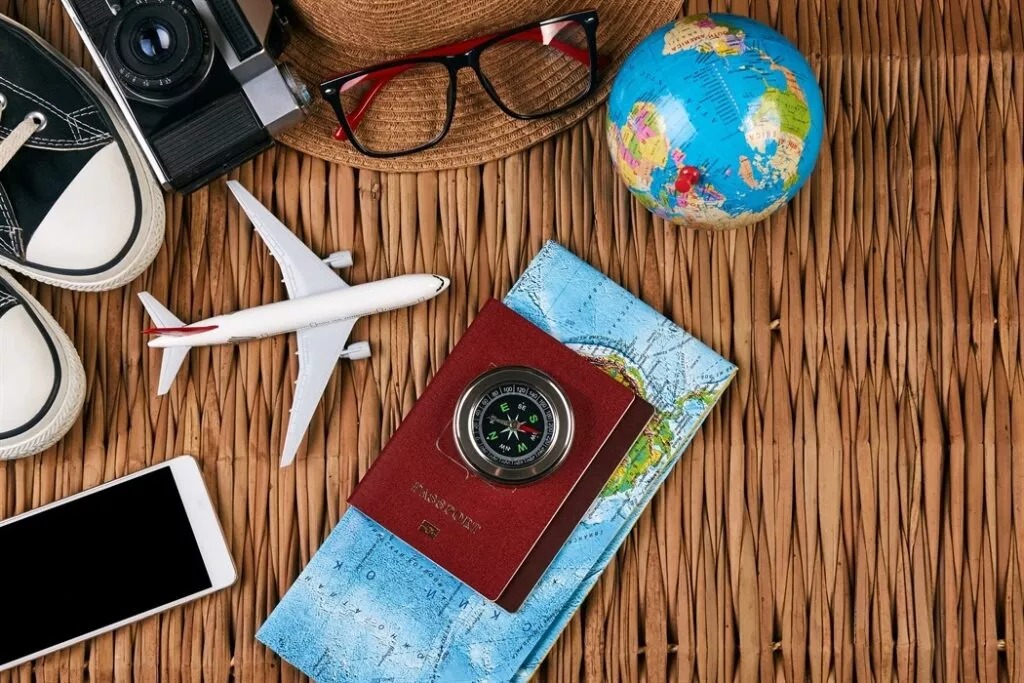
The article examines the phenomenon of overtourism and the reactions it provokes from both tourists and residents of popular destinations. It begins with an example from Paris, where tourists were accused of being overcharged at cafes, but Parisians were more concerned about the overall transformation of their city into a tourist resort. Simultaneously, the UN announced record international tourist arrivals in 2025, with Europe receiving the largest share of tourist traffic. Overtourism has intensified after the pandemic due to increased demand for travel. Europe, as a stable and safe destination, attracts a large number of tourists, but this creates problems for local populations. Popular destinations such as Italy and Paris are constantly visited, while short-term rental platforms and social media contribute to the increase of tourism in specific areas. The article emphasizes that the problem is not simply the large number of tourists, but the lack of “cultural depth” in their experience. Tourists often seek only the photograph and not a genuine acquaintance with the place and its culture. This leads to the degradation of local life, with traditional shops closing and being replaced by souvenir shops and tourist restaurants. The feeling of residents that mass tourism degrades their quality of life is the central issue of overtourism. The article mentions examples from Paris and Porto, where the local economy and social life are negatively affected by overtourism. Charging different prices to locals and tourists is mentioned as a possible solution, although controversial.
You Might Also Like

Ποιο η επιβλαβής συνήθεια στη φόρτιση του κινητού καταστρέφει την μπαταρία
Feb 7
Μη μας πείτε πάλι εκείνο το φαιδρό «πήραμε το μήνυμα»
Feb 10

Ο έρωτας στην ψηφιακή εποχή. Η επίδραση στην επιθυμία
Feb 14

6 ανθρώπινες τροφές που παχαίνουν τους σκύλους: Τι έδειξε η μελέτη για τις θερμίδες και ποιες φυλές κινδυνεύουν περισσότερο
Feb 14

Μια νέα γενιά στη σκιά της νικοτίνης
Feb 16