Ο νέος πόλεμος στην Μέση Ανατολή, ο τρίτος κατά σειρά μετά τον πόλεμου του Κόλπου το 1991 και τον πόλεμο στο Ιράκ το 2003, εισέρχεται στην τρίτη εβδομάδα. Η μέχρι τώρα εικόνα του πολέμου αποκαλύπτει μια σειρά από στρατιωτικές, πολιτικές και ευρύτερες διαπιστώσεις στον τρόπο χειρισμού της δημόσιας εικόνας του πολέμου σε συμβατικά μέσα μαζικής επικοινωνίας αλλά και σε μέσα κοινωνικής δικτύωσης.
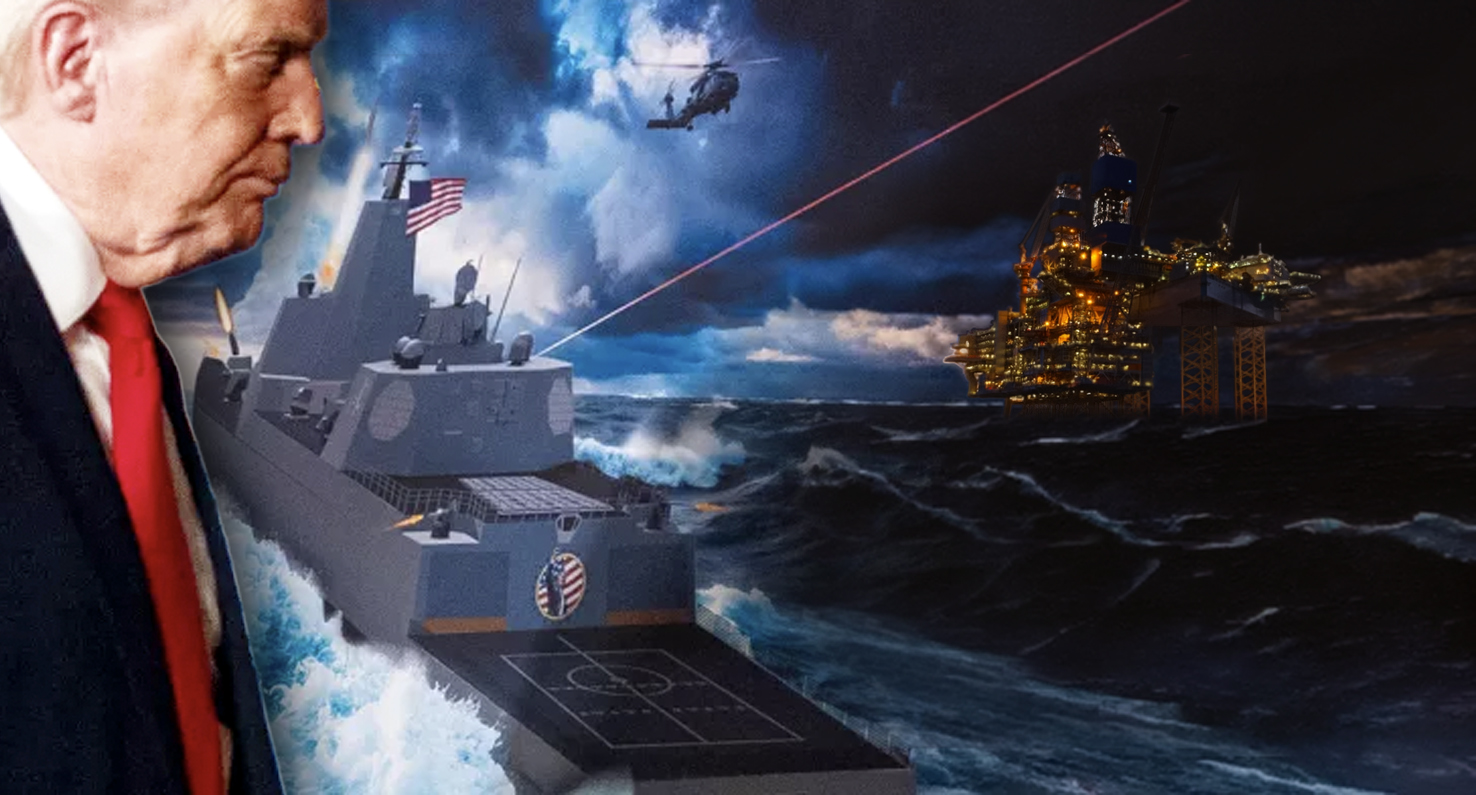
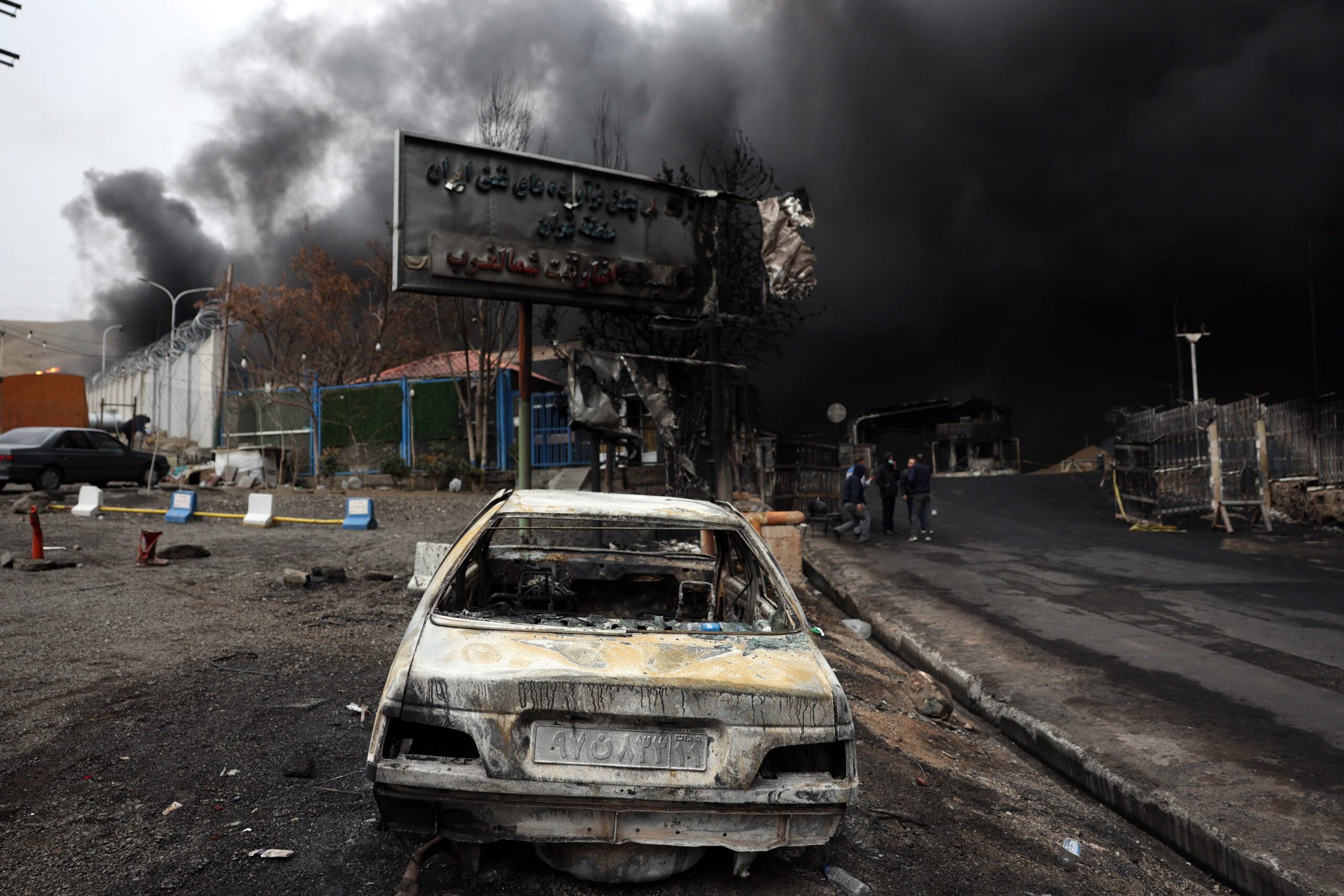
Η στρατιωτική και τεχνολογική υπεροχή των Ηνωμένων Πολιτειών της Αμερικής και του Ισραήλ είναι σαφής και έχει ήδη καθηλώσει σε μεγάλο βαθμό την ιρανική στρατιωτική ισχύ, προκαλώντας σοβαρές απώλειες σε υποδομές, διοικητικά κέντρα και επιχειρησιακές δυνατότητες. Το Ιράν, ωστόσο, εξακολουθεί να παρουσιάζει στοιχεία τακτικής ανθεκτικότητας, με ολοένα και πιο περιορισμένες δυνατότητες.
Η τακτική αυτή προσέγγιση της Τεχεράνης δεν μπορεί να ανατρέψει τη στρατηγική ισορροπία και την υπεροχή των Ηνωμένων Πολιτειών και του Ισραήλ. Παρ’ όλα αυτά, δημιουργεί σημαντικές πολιτικές και επικοινωνιακές συνέπειες, επηρεάζοντας την εικόνα της σύγκρουσης σε διεθνές επίπεδο.
Ο πόλεμος της προπαγάνδας
Ένα πρώτο συμπέρασμα αφορά τη μάχη της αφήγησης γύρω από τον πόλεμο. Παρά τις σαφείς στρατιωτικές επιτυχίες των Ηνωμένων Πολιτειών και του Ισραήλ, η επικοινωνιακή διάσταση της σύγκρουσης εξελίσσεται με πιο σύνθετο τρόπο.
Σε αρχικό στάδιο επικράτησε το αφήγημα και η επικοινωνιακή δυναμική των ΗΠΑ και του Ισραήλ, καθώς οι επιχειρήσεις τους προκάλεσαν σημαντικές απώλειες στις ιρανικές στρατιωτικές δομές και έδειξαν ξεκάθαρα τη διαφορά ισχύος. Ωστόσο, σταδιακά άρχισαν να αναδύονται φωνές – παραδοσιακά αντιαμερικανικές και αντιισραηλινές – οι οποίες επιχειρούν να προωθήσουν ένα διαφορετικό αφήγημα.
Σε ορισμένα επικοινωνιακά περιβάλλοντα, ιδιαίτερα σε μέσα κοινωνικής δικτύωσης αλλά και σε συγκεκριμένα διεθνή μέσα ενημέρωσης, επιχειρείται να παρουσιαστεί η ιρανική στάση ως μορφή «αντίστασης» απέναντι στη δυτική ισχύ. Αυτή η προσπάθεια δεν αλλάζει την πραγματική στρατιωτική εικόνα, αλλά επηρεάζει τον τρόπο με τον οποίο αντιλαμβάνονται τη σύγκρουση συγκεκριμένα ακροατήρια.
Το Ιράν ως συμβολικός αντίπαλος των ΗΠΑ και του Ισραήλ
Η δεύτερη διαπίστωση αφορά τη συμβολική διάσταση της σύγκρουσης. Το Ιράν δεν αποτελεί κράτος-πρότυπο, ούτε μπορεί να παρουσιαστεί ως μοντέλο πολιτικής οργάνωσης. Πρόκειται για ένα καθεστώς το οποίο καταπιέζει σημαντικά τμήματα του πληθυσμού του και περιορίζει βασικές πολιτικές και κοινωνικές ελευθερίες.
Στα περισσότερα δυτικά κράτη και στα κράτη που ανήκουν στο δυτικό στρατόπεδο, τα αντιαμερικανικά και αντιισραηλινά κινήματα βρίσκονται κυρίως στο περιθώριο. Παρ’ όλα αυτά, σε ορισμένους τομείς της επικοινωνίας στη Μέση Ανατολή – αλλά και σε συγκεκριμένες υποκουλτούρες επικοινωνίας στις Ηνωμένες Πολιτείες – το Ιράν προβάλλεται ως ένας φανερός και επίμονος αντίπαλος των ΗΠΑ και του Ισραήλ.
Η εικόνα αυτή δεν βασίζεται τόσο στην πραγματική ισορροπία ισχύος όσο στην πολιτική και ιδεολογική σημασία της αντιπαράθεσης.
Η εσωτερική πολιτική διάσταση στις Ηνωμένες Πολιτείες
Ένα τρίτο κρίσιμο στοιχείο αφορά την εσωτερική πολιτική διάσταση στις Ηνωμένες Πολιτείες της Αμερικής. Οι ενδιάμεσες εκλογές αποτελούν πάντα σημαντικό πολιτικό ορόσημο και οι διεθνείς κρίσεις συχνά επηρεάζουν την εσωτερική πολιτική αντιπαράθεση.
Σε αυτό το πλαίσιο, ο πόλεμος εντάσσεται ήδη στον αμερικανικό πολιτικό ανταγωνισμό. Ορισμένα στοιχεία του Δημοκρατικού Κόμματος, αλλά και ορισμένες δυνάμεις στα μέσα ενημέρωσης που αντιτίθενται στον Ντόναλντ Τραμπ και στηρίζουν το δημοκρατικό στρατόπεδο, θεωρούν ότι η παράταση του πολέμου μπορεί να δημιουργήσει πολιτικά προβλήματα στους Ρεπουμπλικανούς.
Σύμφωνα με αυτή τη λογική, μια παρατεταμένη σύγκρουση θα μπορούσε να πλήξει το κύρος του ίδιου του Προέδρου των Ηνωμένων Πολιτειών, ενισχύοντας ταυτόχρονα την πολιτική επιχειρηματολογία των αντιπάλων του στο εσωτερικό πολιτικό πεδίο.
Στρατηγικά συμπεράσματα μέχρι στιγμής
Σε στρατηγικό επίπεδο, ένα σημαντικό συμπέρασμα από την εξέλιξη του πολέμου αφορά την αρχική στρατηγική προσέγγιση για τη σύντομη διεκπεραίωση της σύγκρουσης.
Η προσέγγιση αυτή βασιζόταν στην υπόθεση εργασίας ότι τα μαζικά, εξαιρετικά θανατηφόρα και απόλυτα δυναμικά χτυπήματα των Ηνωμένων Πολιτειών και του Ισραήλ θα οδηγούσαν το Ιράν σε ταχεία συνθηκολόγηση, σε υπαναχώρηση ή ακόμη και σε αδρανοποίηση των στρατιωτικών του δυνατοτήτων.
Παρότι τα πλήγματα αυτά προκάλεσαν σημαντικές ζημιές στις ιρανικές στρατιωτικές δομές, η εξέλιξη των γεγονότων δείχνει ότι η Τεχεράνη είχε προετοιμαστεί σε έναν βαθμό για ένα τέτοιο σενάριο. Ως αποτέλεσμα, διατηρεί ακόμη ορισμένες δυνατότητες τακτικής αντίδρασης, έστω και περιορισμένες.
Η πραγματικότητα αυτή δεν αναιρεί τη στρατηγική υπεροχή των Ηνωμένων Πολιτειών και του Ισραήλ, αλλά δείχνει ότι η επίτευξη των πολιτικών στόχων ενός πολέμου δεν εξαρτάται μόνο από την ένταση των στρατιωτικών πληγμάτων.
Το δίκτυο των ιρανικών συμμάχων
Ένα ακόμη κρίσιμο στοιχείο αφορά το δίκτυο των συμμάχων-δορυφόρων του Ιράν στην περιοχή. Παρά τις συγκρούσεις των τελευταίων μηνών και τις εκτεταμένες επιχειρήσεις εναντίον τους από το Ισραήλ, το λεγόμενο «μακρύ χέρι» της Τεχεράνης στη Μέση Ανατολή δεν φαίνεται να έχει εξαλειφθεί πλήρως.
Ορισμένες από αυτές τις δυνάμεις – κυρίως στο Ιράκ, στο Λίβανο και την Υεμένη – εξακολουθούν να διαθέτουν επιχειρησιακή ικανότητα. Η περιφερειακή επιρροή του Ιράν εξακολουθεί να υφίσταται, έστω και εξασθενημένη.
Για όσους επιδιώκουν την πλήρη εξουδετέρωση αυτής της επιρροής, η μέχρι τώρα εμπειρία δείχνει ότι θα απαιτηθεί πολύ πιο εκτεταμένη και συστηματική προσπάθεια.
Ο παράγοντας της ενέργειας και οι αντιδράσεις των αγορών
Τέλος, ένας παράγοντας που δεν μπορεί να αγνοηθεί είναι η οικονομική διάσταση της σύγκρουσης, ιδιαίτερα σε ό,τι αφορά τις διεθνείς αγορές ενέργειας.
Η αύξηση της τιμής του πετρελαίου και η νευρικότητα που εμφανίζουν οι διεθνείς αγορές αποτελούν σημαντικό στοιχείο πίεσης στο ευρύτερο στρατηγικό περιβάλλον του πολέμου. Η ενεργειακή αστάθεια μπορεί να επηρεάσει τις οικονομίες πολλών κρατών και να δημιουργήσει πρόσθετες πολιτικές πιέσεις.
Σε ένα τέτοιο πλαίσιο, οι εξελίξεις στις αγορές ενέργειας μπορούν να λειτουργήσουν ως έμμεσος παράγοντας πίεσης όχι μόνο προς το Ιράν αλλά και προς τις Ηνωμένες Πολιτείες και το Ισραήλ, ιδιαίτερα εάν η σύγκρουση παραταθεί και επηρεάσει περισσότερο τις παγκόσμιες ενεργειακές ροές.
Συνολική εικόνα
Η συνολική εικόνα μέχρι στιγμής δείχνει μια σύγκρουση στην οποία η στρατιωτική ισορροπία γέρνει ξεκάθαρα υπέρ των Ηνωμένων Πολιτειών και του Ισραήλ. Η τακτική ανθεκτικότητα που παρουσιάζει το Ιράν, έστω και με περιορισμένες δυνατότητες, καθώς και οι πολιτικές, επικοινωνιακές και οικονομικές διαστάσεις της κρίσης, καθιστούν την εξέλιξη του πολέμου πιο σύνθετη από μια σκληρή στρατιωτική αντιπαράθεση.
The Third Middle East War: Six Observations on the Image of the War
The new war in the Middle East, the third after the Gulf War in 1991 and the Iraq War in 2003, is entering its third week. The current picture of the war reveals a series of military, political, and broader observations on how the public image of the war is being handled in conventional media and social networks. The military and technological superiority of the United States and Israel is clear and has largely crippled Iranian military power, causing significant losses to infrastructure, command centers, and operational capabilities. However, Iran continues to show elements of tactical resilience, with increasingly limited capabilities. This tactical approach by Tehran cannot reverse the strategic balance and the superiority of the United States and Israel. However, it creates significant political and communication consequences, affecting the image of the conflict internationally. A key conclusion concerns the battle for the narrative surrounding the war. Despite the clear military successes of the United States and Israel, the communication dimension of the conflict is evolving in a more complex way. Initially, the narrative and communication dynamics of the US and Israel prevailed, as their operations caused significant losses to Iranian military structures and clearly demonstrated the difference in power. However, voices – traditionally anti-American and anti-Israeli – gradually began to emerge, attempting to promote a different narrative. In some communication environments, particularly on social media and in specific international media, efforts are being made to portray the Iranian stance as a form of 'resistance' against Western power. This effort does not change the actual military picture, but it affects how specific audiences perceive the conflict.