Μετά τον Β’ Παγκόσμιο Πόλεμο και λόγω της θηριωδία των στρατιωτικών Αρχών των εμπλεκομένων χωρών κυρίως από την υπαίτιο του Παγκοσμίου Πολέμου την Γερμανία διάφορα κράτη ένιωσαν την ανάγκη να δημιουργήσουν ένα δίκαιο που να απαγορεύει και να καταστέλλει διάφορες απάνθρωπες ενέργειες των κρατών. Έτσι στις 24 Οκτωβρίου 1945 υιοθετήθηκε ο Χάρτης των Ηνωμένων Εθνών (Ο.Η.Ε.) που προβλέπει αρχές και αξίες που πρέπει να διέπουν τις σχέσεις των κρατών.
Ο Χάρτης αναφέρει στην αρχή «Εμείς οι Λαοί των Ηνωμένων Εθνών, αποφασισμένοι όπως σώσουμε τις επερχόμενες γενιές από την μάστιγα του πολέμου, η οποία δύο φορές στο διάστημα μιας γενιάς επισώρευσε άφατη θλίψη στην ανθρωπότητα, διακηρύττουμε εκ νέου πίστη στην αξιοπρέπεια και την αξίαν του ανθρώπου, την ισότητα των δικαιωμάτων κυριαρχίας και ισότητας όλων των κρατών μελών και να καθιερώσουμε όρους κάτω από τους οποίους η Δικαιοσύνη και ο σεβασμός προς τις υποχρεώσεις που πηγάζουν εκ των συνθηκών και άλλων πηγών του διεθνούς δικαίου, πρέπει να τηρούνται». Οι σκοποί του Ο.Η.Ε. σε συντομία είναι: 1) Να διατηρηθεί η διεθνής ειρήνη και ασφάλεια και για τον σκοπό αυτό να υπάρξουν συλλογικά μέτρα για την παρεμπόδιση απειλών κατά της ειρήνης και πράξεων επιθετικών και την προώθηση διευθέτησης διεθνών διαφορών που θα μπορούσαν να απειλήσουν την ειρήνη. 2) Ανάπτυξη φιλικών σχέσεων μεταξύ των εθνών με βάση την ισότητα των δικαιωμάτων και την αυτοδιάθεση των λαών. 3) Να υπάρξει διεθνής συνεργασία για την λύση διεθνών προβλημάτων, οικονομικών, κοινωνικών και ανθρωπιστικών και ανθρωπίνων δικαιωμάτων.
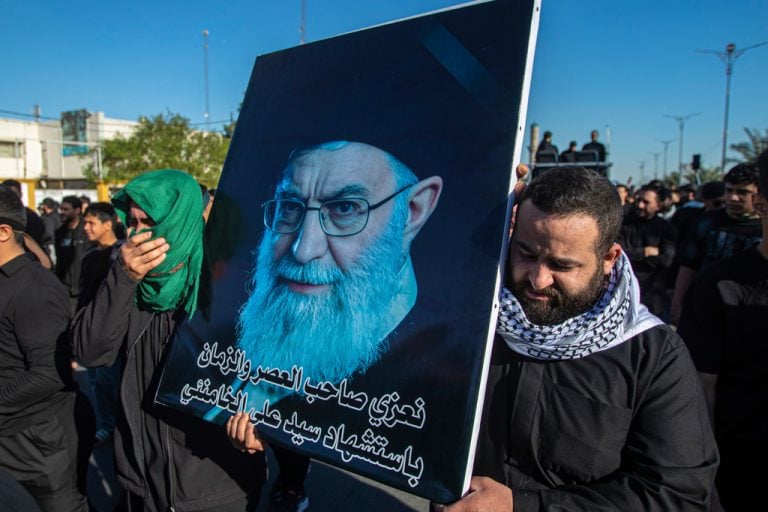
Στη συνέχεια αναπτύχθηκε έναν τεράστιο σώμα διεθνούς δικαίου που θα δέσμευε όλα τα κράτη. Οι εξελίξεις αυτές έδωσαν ελπίδα σε λαούς σε όλο τον κόσμο. Και το ερώτημα είναι αν έχει πετύχει τους βασικούς στόχους η ανάπτυξη του διεθνούς δικαίου ή απλώς λειτούργησε καθοδηγητικά χωρίς οι αρχές του να εφαρμόζονται στην μεγαλύτερη τους έκταση στα πιο κρίσιμα θέματα που απειλούν τους σκοπούς του δικαίου αυτού όπως είναι η μάστιγα του πολέμου, τα θεμελιώδη δικαιώματα του ανθρώπου των κρατών κ.τ.λ.. Το θέμα έγινε πάλι επίκαιρο στις μέρες μας λόγω των πολεμικών συγκρούσεων σε σχέση με την Ουκρανία και το Ιράν που όπως φαίνεται δεν συμβιβάζονται με βασικούς σκοπούς των Ο.Η.Ε. για την διατήρηση της διεθνούς ειρήνης και ασφάλειας. Οι συγκρούσεις αυτές δεν έχουν την έγκριση των αρμοδίων οργάνων του Ο.Η.Ε. και δεν υπήρξε καμιά πρωτοβουλία για την αποφυγή τους. Απέτυχε συνεπώς ο Ο.Η.Ε. στα σοβαρά αυτά θέματα. Αυτό φέρει στην επιφάνεια το γενικότερο ερώτημα. Σε άλλες περιπτώσεις που απαιτείτο από το διεθνές δίκαιο η εφαρμογή αρχών του η επιτυχία έχει επιτευχθεί; Η απάντηση είναι αρνητική. Για την Κύπρο επικράτησαν οι αρχές του Διεθνούς Δικαίου; Για την γενοκτονία στην Ρουάντα (1994); Για τον πόλεμο στο Ιράκ (2003); Για τον Συριακό Εμφύλιο Πόλεμο (2011-σήμερα); Για την Ρωσική εισβολή στην Ουκρανία (2022-σήμερα); Για τις ανθρωπιστικές κρίσεις στο Κονγκό; Για τις συγκρούσεις στη Μέση Ανατολή (Γάζα/Παλαιστίνη); Δεν χρειάζεται να επεκταθεί ένας σε άλλα παραδείγματα για να πει με σιγουριά ότι το Διεθνές Δίκαιο κατάντησε να είναι μια σειρά από αποτυχίες. Το επικαλούνται τα κράτη που είναι θύματα χωρίς αποτέλεσμα.
Συνοψίζοντας τους λόγους αποτυχίας αναφέρω ενδεικτικά τα εξής: το δικαίωμα βέτο των μόνιμων μελών που μπορούν να μπλοκάρουν αποφάσεις, ακόμη και αν η πλειοψηφία των κρατών θέλει δράση. Υφίσταται η σύγκρουση συμφερόντων μεγάλων δυνάμεων. Συχνά τα μόνιμα μέλη έχουν διαφορετικά γεωπολιτικά συμφέροντα που εμποδίζουν κοινή δράση για παράδειγμα στην Συρία, Ρωσία και Κίνα μπλοκάρουν αποφάσεις για στρατιωτική παρέμβαση. Ο ΟΗΕ δεν έχει σύστημα αποτελεσματικής εφαρμογής των αρχών του αλλά εξαρτάται από την συμφωνία των μελών του.
Το αποτέλεσμα είναι ότι σε περιπτώσεις που χρειάζεται η εφαρμογή του διεθνούς δικαίου δεν επιτυγχάνει αυτό λόγω επικράτησης των επιθυμιών και συμφερόντων των δυνατών κρατών. Η κατάληξη είναι ότι η επίκληση του διεθνούς δικαίου έχει μόνο θεωρητική σημασία. Η απόφαση να υπάρχει διεθνές δίκαιο είναι σωστή αλλά αφού υπερισχύουν τα συμφέροντα και οι σκοπιμότητες η εφαρμογή του είναι ψευδαίσθηση και δεν αναμένω ούτε και στο μέλλον να γίνει πραγματικότητα εκτός εάν αλλάξει η παγκόσμια ψυχολογία όλων των λαών που μπορεί να τύχει να είναι οι εφαρμοστές του δικαίου αυτού.
The Illusions of International Law

The article examines the effectiveness of international law after World War II and the creation of the UN. Despite the initial hope for a world governed by rules and values such as peace, justice, and respect for human rights, the author argues that international law has failed to achieve its core objectives. The UN was founded to maintain international peace and security, develop friendly relations between nations, and promote international cooperation to solve global problems. However, the article points out that conflicts such as those in Ukraine, Iran, Cyprus, Rwanda, Iraq, Syria, and Palestine demonstrate the inability of international law to prevent or resolve these crises. The author questions whether the principles of international law have been applied in practice, even in cases where their application is required. The lack of action by the UN and the failure to implement the principles of international law in significant matters cast doubt on the value and effectiveness of the international legal framework. In summary, the article presents a critical view of international law, arguing that, despite good intentions, it has not managed to prevent wars, protect human rights, or resolve international disputes in a fair and effective manner. This failure raises questions about the future of the international legal system and its ability to address the challenges of the 21st century.