Το Άρθρο 42.7 της Συνθήκης της Ευρωπαϊκής Ένωσης αποτελεί ίσως τη λιγότερο κατανοητή, αλλά ταυτόχρονα τη βαρύτερη πολιτικά διάταξη του ευρωπαϊκού κεκτημένου στον τομέα της ασφάλειας. Η πρόβλεψη ότι «αν κράτος μέλος δεχθεί ένοπλη επίθεση στο έδαφός του, τα άλλα κράτη μέλη οφείλουν να του παράσχουν βοήθεια και συνδρομή με όλα τα μέσα που διαθέτουν», εντάσσεται, με μεγαλύτερη, όμως, βαρύτητα για την Ευρώπη, στο ίδιο νομικό και ηθικό πλαίσιο με το δικαίωμα νόμιμης άμυνας του Άρθρου 51 του Χάρτη των Ηνωμένων Εθνών. Παρά ταύτα, δεκαπέντε και πλέον χρόνια μετά που τέθηκε σε ισχύ με τη Συνθήκη της Λισαβόνας, η ρήτρα αμοιβαίας άμυνας της Ευρωπαϊκής Ένωσης παραμένει περισσότερο πολιτική διακήρυξη παρά λειτουργικός μηχανισμός συλλογικής ασφάλειας. Η συζήτηση για τη σημασία και την αποτελεσματικότητά της αποκτά ιδιαίτερο βάρος όταν μεταφέρεται σε περιπτώσεις γεωπολιτικής τριβής και αμφισβητούμενης κυριαρχίας, όπως η Γροιλανδία, η Κύπρος και η Ελλάδα.
Η γέννηση του Άρθρου 42.7 δεν υπήρξε τυχαία. Αντανακλούσε την ανάγκη της Ευρωπαϊκής Ένωσης να απαντήσει στο χρόνιο έλλειμμα στρατηγικής αξιοπιστίας, ιδίως μετά τους πολέμους της πρώην Γιουγκοσλαβίας, όπου η Ευρώπη απέτυχε να διαχειριστεί μια κρίση στην ίδια της την ήπειρο χωρίς αμερικανική παρέμβαση. Ωστόσο, η διάταξη διαμορφώθηκε μέσα από ένα δύσκολο συμβιβασμό. Να σταλεί, δηλαδή, μήνυμα αλληλεγγύης χωρίς να δημιουργηθεί ευρωπαϊκή στρατιωτική συμμαχία που θα υποκαθιστούσε ή θα ανταγωνιζόταν το ΝΑΤΟ. Αυτός ο διττός χαρακτήρας εξηγεί γιατί το Άρθρο 42.7 είναι ταυτόχρονα ισχυρό στη διατύπωση και ασαφές στην εφαρμογή.
Η μοναδική μέχρι σήμερα ενεργοποίησή του στη Γαλλία μετά τις τρομοκρατικές επιθέσεις του Νοεμβρίου του 2015, λειτούργησε περισσότερο ως πολιτικό προηγούμενο παρά ως δοκιμή στρατιωτικής αποτελεσματικότητας. Η γαλλική κυβέρνηση δεν ζήτησε συλλογική στρατιωτική δράση, αλλά διμερή συνδρομή, επιτρέποντας στα κράτη μέλη να ανταποκριθούν ανάλογα με τις δυνατότητες και τις πολιτικές τους προτεραιότητες. Το αποτέλεσμα ήταν μια άτυπη, κατακερματισμένη αλληλεγγύη, που έδειξε ότι το Άρθρο 42.7 δεν διαθέτει θεσμικό «νεύρο» ανάλογο του Άρθρου 5 του ΝΑΤΟ. Παρ’ όλα αυτά, η ενεργοποίησή του δημιούργησε ένα σημαντικό προηγούμενο, ώστε επίθεση κατά ενός κράτους μέλους μεταφράστηκε αυτομάτως σε ευρωπαϊκό ζήτημα.
Η περίπτωση της Γροιλανδίας φωτίζει τα νομικά και γεωπολιτικά όρια της ρήτρας. Η Γροιλανδία δεν είναι μέρος της Ευρωπαϊκής Ένωσης, αλλά αποτελεί αυτόνομο έδαφος υπό τη δανική κυριαρχία. Παρά τις αμφιβολίες λόγω της αποχώρησης της Γροιλανδίας από την ΕΟΚ το 1985, η Ευρωπαϊκή Επιτροπή έχει ξεκαθαρίσει ότι η Γροιλανδία, ως μέρος του Βασιλείου της Δανίας, καλύπτεται καταρχήν από το Άρθρο 42.7. Ως εκ τούτου, σε ένα υποθετικό σενάριο ένοπλης επίθεσης ή στρατιωτικής πρόκλησης στην Αρκτική, η Δανία θα μπορούσε να επικαλεστεί το Άρθρο 42.7, υποστηρίζοντας ότι πλήττεται το έδαφος κράτους μέλους. Ωστόσο, η πραγματικότητα είναι ότι η ασφάλεια της Γροιλανδίας εντάσσεται πρωτίστως στο νατοϊκό και αμερικανικό πλαίσιο, λόγω της στρατηγικής σημασίας της περιοχής. Η Ευρωπαϊκή Ένωση θα περιοριζόταν, κατά πάσα πιθανότητα, σε πολιτική και διπλωματική στήριξη, επιβεβαιώνοντας ότι το Άρθρο 42.7 λειτουργεί περισσότερο συμπληρωματικά σε περιοχές όπου κυριαρχούν άλλοι μηχανισμοί ισχύος.
Η Κύπρος αποτελεί ίσως το πλέον χαρακτηριστικό παράδειγμα των ορίων της ευρωπαϊκής ρήτρας αμοιβαίας άμυνας. Η Κυπριακή Δημοκρατία είναι κράτος μέλος της Ευρωπαϊκής Ένωσης, αλλά μέρος του εδάφους της τελεί υπό συνεχιζόμενη στρατιωτική κατοχή από τρίτη χώρα. Το γεγονός αυτό δημιουργεί ένα διαρκές παράδοξο. Μια χώρα που έχει δεχθεί ένοπλη επίθεση και εξακολουθεί να υφίσταται τις συνέπειές της, χωρίς ποτέ να έχει ενεργοποιηθεί το Άρθρο 42.7. Η απάντηση βρίσκεται στην πολιτική φύση της διάταξης. Η τουρκική εισβολή και κατοχή προϋπήρχαν της ένταξης της Κύπρου στην Ευρωπαϊκή Ένωση, και η Ένωση, συνειδητά, απέφυγε να αναλάβει ρόλο στρατιωτικής εγγύησης έναντι της Τουρκίας. Σε ένα νέο, όμως, σενάριο ένοπλης επίθεσης ή σοβαρής στρατιωτικής κλιμάκωσης κατά της Κυπριακής Δημοκρατίας, το Άρθρο 42.7 θα μπορούσε θεωρητικά να ενεργοποιηθεί. Το κρίσιμο ερώτημα είναι τι θα σήμαινε αυτό στην πράξη. Είναι εξαιρετικά αμφίβολο αν όλα τα κράτη μέλη θα ήταν διατεθειμένα να παράσχουν στρατιωτική συνδρομή εναντίον μιας περιφερειακής δύναμης με την οποία διατηρούν πολύπλευρες σχέσεις. Πιθανότερη θα ήταν μια κλιμακούμενη αντίδραση πολιτικής, διπλωματικής και οικονομικής φύσης, που όμως δύσκολα θα ανέτρεπε στρατιωτικά τετελεσμένα.
Ως κράτος-μέλος της Ευρωπαϊκής Ένωσης και ταυτόχρονα του ΝΑΤΟ, η Ελλάδα θα μπορούσε, σε περίπτωση ένοπλης επίθεσης στο έδαφός της, να επικαλεστεί τόσο τη ρήτρα αμοιβαίας άμυνας της Ευρωπαϊκής Ένωσης, όσο και το Άρθρο 5 του ΝΑΤΟ. Η ύπαρξη του 42.7 ενισχύει το διπλωματικό οπλοστάσιο της Αθήνας, καθώς μεταφέρει το ζήτημα από το διμερές ή νατοϊκό επίπεδο στο ευρωπαϊκό. Ωστόσο, και εδώ, η αποτελεσματικότητα εξαρτάται από την πολιτική βούληση των εταίρων. Ως εκ τούτου, η ελληνική περίπτωση προσφέρει μια διαφορετική, αλλά εξίσου αποκαλυπτική, διάσταση. Η Ελλάδα, ως μέλος τόσο της Ευρωπαϊκής Ένωσης όσο και του ΝΑΤΟ, διαθέτει ένα διπλό θεσμικό δίχτυ ασφαλείας. Σε περίπτωση ένοπλης επίθεσης, θα μπορούσε να επικαλεστεί τόσο το Άρθρο 42.7 όσο και το Άρθρο 5 του ΝΑΤΟ. Η ύπαρξη της ευρωπαϊκής ρήτρας ενισχύει τη διαπραγματευτική και διπλωματική θέση της Αθήνας, μεταφέροντας το βάρος της κρίσης στο ευρωπαϊκό επίπεδο. Ωστόσο, η αποτελεσματικότητά της θα εξαρτηθεί από το πολιτικό πλαίσιο της κρίσης. Σ’ ένα σενάριο ελληνοτουρκικής σύγκρουσης, η Ευρωπαϊκή Ένωση θα βρισκόταν αντιμέτωπη με εσωτερικές αντιφάσεις, καθώς αρκετά κράτη μέλη θα προτιμούσαν ρόλο διαμεσολαβητή παρά σαφή στρατιωτική τοποθέτηση.
Η συνολική αξιολόγηση του Άρθρου 42.7 οδηγεί σε μια σύνθετη διαπίστωση. Η διάταξη δεν είναι ούτε γράμμα κενό, ούτε πλήρης εγγύηση ασφαλείας. Αποτελεί ένα ισχυρό πολιτικό εργαλείο, που μπορεί να λειτουργήσει αποτρεπτικά, εφόσον συνοδεύεται από σαφή στρατηγική, συμμαχίες και εθνική ισχύ. Η αποτελεσματικότητά του δεν έγκειται στην αυτόματη κινητοποίηση στρατευμάτων, αλλά στη δημιουργία ενός πλαισίου όπου η ένοπλη επίθεση εναντίον ενός κράτους μέλους αποκτά ευρωπαϊκή διάσταση και κόστος. Για χώρες όπως η Κύπρος και η Ελλάδα, το Άρθρο 42.7 δεν μπορεί να υποκαταστήσει την ανάγκη για ισχυρή εθνική άμυνα και πολυδιάστατη εξωτερική πολιτική. Μπορεί, όμως, να λειτουργήσει ως πολλαπλασιαστής ισχύος, εφόσον αξιοποιηθεί έγκαιρα και ενταχθεί σε μια ευρύτερη στρατηγική ευρωπαϊκής εμπλοκής. Αντίστοιχα, στην περίπτωση της Γροιλανδίας, η ρήτρα αναδεικνύει τα όρια της ευρωπαϊκής ασφάλειας σ’ έναν κόσμο όπου οι γεωπολιτικές ισορροπίες καθορίζονται συχνά εκτός Βρυξελλών.
Συμπερασματικά, το Άρθρο 42.7 αντανακλά την ίδια την Ευρωπαϊκή Ένωση. Μια ένωση κρατών που επιδιώκει να μιλήσει τη γλώσσα της ισχύος, αλλά εξακολουθεί να σκέφτεται πρωτίστως πολιτικά. Μια ένωση που φιλοδοξεί να εξελιχθεί σε γεωπολιτικό δρώντα, αλλά εξακολουθεί να διστάζει μπροστά στο κόστος της σκληρής ισχύος. Η αποτελεσματικότητά του δεν θα κριθεί τόσο από το νομικό του περιεχόμενο, όσο από την πολιτική βούληση των κρατών μελών να μετατρέψουν την αλληλεγγύη από διακήρυξη σε πράξη. Για την Κύπρο και την Ελλάδα, η ρήτρα αυτή δεν μπορεί να υποκαταστήσει την εθνική άμυνα και τις στρατηγικές συμμαχίες. Μπορεί όμως να αποτελέσει κρίσιμο εργαλείο, εφόσον ενταχθεί σε μια συνεκτική στρατηγική που αντιλαμβάνεται την ευρωπαϊκή συμμετοχή, όχι ως πανάκεια, αλλά ως πεδίο πολιτικής και γεωπολιτικής διεκδίκησης. Η πρόκληση για το μέλλον δεν είναι μόνο η νομική ερμηνεία της ρήτρας, αλλά η πολιτική βούληση να μετατραπεί η αλληλεγγύη από διακήρυξη σε πράξη, όταν οι συνθήκες το απαιτήσουν.
*Καθηγητή-ανθρωπολόγου στο Philips University, πρώην πρύτανη
European Solidarity and Geopolitical Boundaries
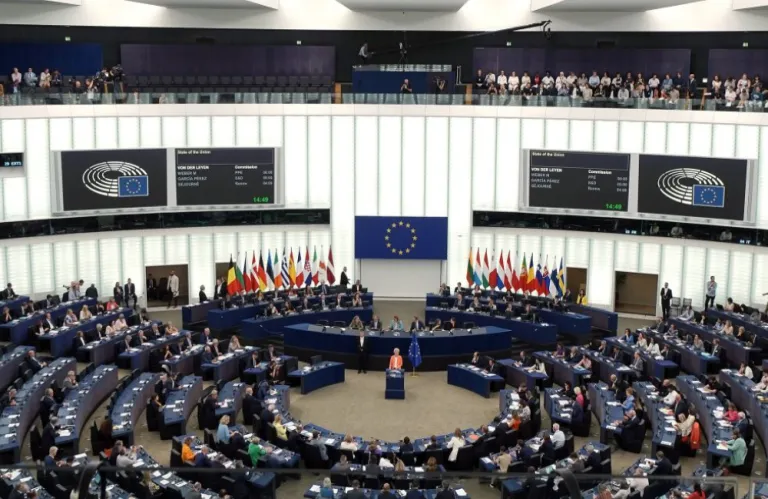
The article analyzes Article 42.7 of the Treaty on European Union, which provides for mutual solidarity in the event of an armed attack on a member state. Although this provision carries significant political weight, it remains more of a declaration of intent than a functional collective security mechanism, as it has not been fully activated and its application is unclear. The discussion about its effectiveness intensifies in cases of geopolitical tension and disputed sovereignty, such as in the case of Greenland, Cyprus, and Greece. The creation of Article 42.7 was a result of the EU's need to address its lack of strategic credibility, especially after its failure to manage the crises in the former Yugoslavia without American intervention. However, the wording of the provision was a compromise, so as not to create a European military alliance that would compete with NATO. The only activation of the article to date in France after the 2015 terrorist attacks did not lead to collective military action, but to bilateral assistance, demonstrating the lack of an institutional mechanism for effective implementation. The case of Greenland, which belongs to the Kingdom of Denmark, highlights the legal limits of the clause, but also the possibility of extending protection to non-EU members under certain conditions. In summary, the article highlights the complexity and challenges associated with the application of Article 42.7, as well as the need for further clarification and institutional strengthening of the EU's mutual defense mechanism in order to effectively address modern geopolitical threats.
You Might Also Like
Το πολιτικό αποτύπωμα της Κύπρου – Τι παρουσιάζει σήμερα ο Πρόεδρος Χριστοδουλίδης στο Ευρωκοινοβούλιο
Jan 20

LIVE ΕΙΚΟΝΑ: Ο Πρόεδρος Χριστοδουλίδης ενώπιον του Ευρωπαϊκού Κοινοβουλίου
Jan 20

Ενώπιον του ΕΚ ο ΠτΔ: Η ΕΕ διαθέτει όλα τα εργαλεία για τη λύση του Κυπριακού
Jan 20
Στο Ευρωκοινοβούλιο ο Πρόεδρος Χριστοδουλίδης: Παρουσίασε τους πέντε άξονες της κυπριακής Προεδρίας – «Η Ευρωπαϊκή Ένωση διαθέτει όλα τα εργαλεία για τη λύση του Κυπριακού»
Jan 20
SAFE: Έτσι σκοπεύει να αξιοποιήσει η Κύπρος το €1,2δις – Ένα στήριγμα μέσα στο διεθνές χάος – Σχολιάζουν Χάρης Γεωργιάδης και Βαλεντίνος Φακοντής
Jan 25