Η συγκράτηση των στροφών του κινητήρα σε χαμηλά επίπεδα είναι ένα από τα κύρια «όπλα» που έχει ένας οδηγός στη διάθεσή του για να καταπολεμήσει την κατανάλωση καυσίμου και να κάνει οικονομία.
Η διατήρηση των στροφών του κινητήρα από το μισό και κάτω σε σχέση με το μέγιστο όριο περιστροφής του, σε συνδυασμό με ήπιο πάτημα του δεξιού πεντάλ στις επιταχύνσεις, μπορούν να λειτουργήσουν πολύ ευεργετικά και να γλιτώσουν στον χρήση δεκάδες ευρώ ετησίως.
Ωστόσο και αυτό το στιλ οικονομικής οδήγησης θα πρέπει να γίνεται με το απαραίτητο μέτρο καθώς οι υπερβολές από την πλευρά του οδηγού στον τρόπο που λειτουργεί τον κινητήρα μπορούν να οδηγήσουν σε ζημιές στα μηχανικά μέρη ή τα περιφερειακά του μοτέρ.
Αρχικά καλό είναι να γνωρίζουμε τα χαρακτηριστικά λειτουργίας του κινητήρα που έχει το αυτοκίνητο που χρησιμοποιούμε, κυρίως σε ποιες στροφές κάνει την εμφάνισή της η μέγιστη τιμή της ροπής. Στις στροφές που εμφανίζεται η μέγιστη τιμή της ροπής ο κινητήρας νιώθει πιο «άνετα» να λειτουργεί και έχει και την καλύτερη απόκριση στο πάτημα του δεξιού πεντάλ.
Στους σύγχρονους υπετροφοδοτούμενους κινητήρες βενζίνης και πετρελαίου το όριο αυτό βρίσκεται κοντά ή και κάτω από τις 2.000 σ.α.λ. και γι' αυτό μπορούμε να τους λειτουργούμε σε αυτές τις στροφές και να εξοικονομούμε καύσιμο.
Ωστόσο αν λειτουργούμε τον κινητήρα ακόμη πιο χαμηλά και ζητάμε από αυτόν να επιταχύνει το αυτοκίνητο χωρίς να χρησιμοποιήσουμε τις σχέσεις του κιβωτίου, τότε αυξάνουμε σημαντικά την κατανάλωση αφού θα χρειαστεί και περισσότερος χρόνος για να φτάσουμε στην επιθυμητή ταχύτητα. Παράλληλα, ο κινητήρας παράγει περισσότερους κραδασμούς κατά τη λειτουργία του με αποτέλεσμα να προκαλεί αυξημένες φθορές σε περιφερειακά, όπως είναι για παράδειγμα οι βάσεις του.
Επίσης, η οδήγηση για πολύ μεγάλα διαστήματα με τις στροφές του κινητήρα κοντά στο ρελαντί δεν είναι ότι καλύτερο για τα φίλτρα συγκράτησης μικροσωματιδίων, τα οποία πλέον έχουν παρουσία, εκτός από τα diesel και στα αυτοκίνητα με μοτέρ βενζίνης.
Τα εν λόγω φίλτρα, τα οποία μπορούν να αυτοκαθαρίζονται, χρειάζονται τον κινητήρα να λειτουργεί και με υψηλότερες στροφές για να το κάνουν αυτό, αλλιώς μπορεί ακόμη και να καταστραφούν, με την αντικατάστασή τους να είναι ιδιαίτερα δαπανηρή.
Πηγή: carandmotor.gr
Is it More Economical to Drive at Low RPMs?
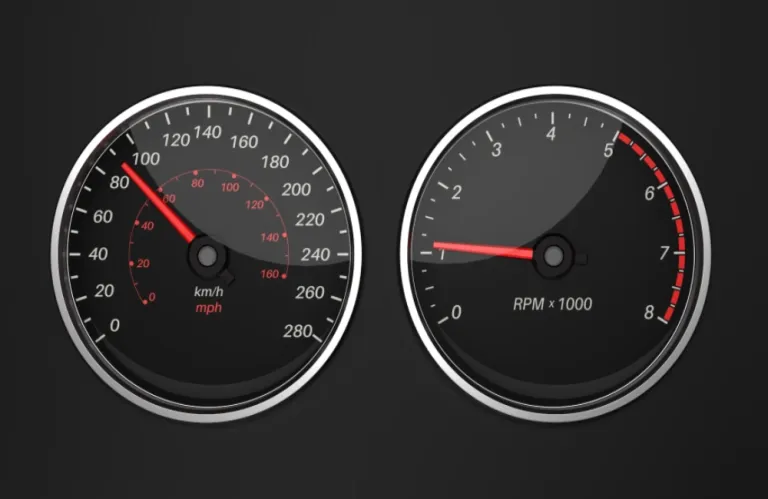
Maintaining low engine RPMs is an effective strategy for fuel economy. By keeping the RPMs below half the maximum limit and avoiding sudden accelerations, drivers can significantly reduce fuel consumption and save money. However, excessively low RPMs can cause problems for the engine, such as increased vibrations and wear on peripheral parts. It is important for the driver to know the RPM range where the engine performs best, i.e., where maximum torque is achieved. In modern turbocharged engines, maximum torque is usually achieved at lower RPMs (below 2,000 RPM), making economical driving easier. But running the engine at very low RPMs while trying to accelerate can increase consumption and strain the engine. Furthermore, driving for long periods at low RPMs can negatively affect particulate filters, as these require higher RPMs to self-clean. Failure to self-clean can lead to filter damage and significant financial burden.
You Might Also Like

Κυνηγάει ρεκόρ του Βενγκέρ ο Αρτέτα
Jan 16

Πλήρης απομαγνητοφώνηση του Videogate: «Καρέ καρέ» το αποκαλυπτικό βίντεο που καίει τον Νίκο Χριστοδουλίδη
Jan 18

Mύρων Μιχαηλίδης: Μια ορχήστρα, μέσα από τις επιδόσεις της, μπορεί να διεκδικήσει και να κατακτήσει αυτό που επιθυμεί
Jan 19

Αντρέας Γεωργίου: «Η Σιμώνη είναι φανταστική μαμά και πάντα περιμένω οδηγίες όταν δεν είμαι σίγουρος»
Jan 25
Diesel ή Βενζίνη - Ποιο καύσιμο συμφέρει τελικά
Jan 26