Η NASA σχεδιάζει για τις αρχές Απριλίου την εκτόξευση της αποστολής Artemis II, της πρώτης επανδρωμένης πτήσης γύρω από τη Σελήνη εδώ και περισσότερα από 50 χρόνια.
Η αποστολή, διάρκειας περίπου 10 ημερών, αναμένεται να μεταφέρει τους αστροναύτες πιο μακριά στο διάστημα από οποιονδήποτε άνθρωπο στο παρελθόν.
Στόχος της είναι να ανοίξει τον δρόμο για την επιστροφή ανθρώπων στην επιφάνεια της Σελήνης, για πρώτη φορά μετά το πρόγραμμα Apollo των δεκαετιών του 1960 και 1970.
Πιθανές ημερομηνίες εκτόξευσης και τεχνικές καθυστερήσεις
Οι επόμενες διαθέσιμες ημερομηνίες εκτόξευσης έχουν οριστεί για τις 1 έως 6 Απριλίου και στις 30 Απριλίου 2026. Η NASA είχε αρχικά θέσει ως στόχο την εκτόξευση μέχρι το τέλος του 2024, ωστόσο μια σειρά τεχνικών προβλημάτων οδήγησε σε καθυστερήσεις.
Συγκεκριμένα, μια δοκιμή πριν από την πτήση διακόπηκε λόγω διαρροής υδρογόνου, ενώ στη συνέχεια εντοπίστηκε και διαρροή ηλίου, αποκλείοντας και το ενδεχόμενο εκτόξευσης τον Μάρτιο, σύμφωνα με το BBC.
Παράλληλα, οι επιστήμονες πρέπει να περιμένουν τη Σελήνη να βρίσκεται στη σωστή θέση στην τροχιά της, κάτι που περιορίζει τα «παράθυρα» εκτόξευσης σε περίπου μία εβδομάδα κάθε μήνα.
Το πλήρωμα και οι στόχοι της αποστολής
Το πλήρωμα της αποστολής αποτελείται από τέσσερις αστροναύτες: τον διοικητή Reid Wiseman, τον πιλότο Victor Glover και τη Christina Koch ως ειδική αποστολής, όλοι από τη NASA, καθώς και τον Jeremy Hansen από την Καναδική Διαστημική Υπηρεσία.
Η αποστολή θα είναι η πρώτη επανδρωμένη πτήση του πυραύλου Space Launch System (SLS) και της κάψουλας Orion. Αφού τεθούν σε τροχιά, οι αστροναύτες θα δοκιμάσουν τα συστήματα της Orion, πραγματοποιώντας χειροκίνητους ελιγμούς γύρω από τη Γη, προκειμένου να εξασκηθούν για μελλοντικές αποστολές προσελήνωσης.
Στη συνέχεια, θα κινηθούν χιλιάδες χιλιόμετρα πέρα από τη Σελήνη, δοκιμάζοντας κρίσιμα συστήματα όπως η υποστήριξη ζωής, η ενέργεια και η πλοήγηση.
Παράλληλα, θα λειτουργήσουν και ως υποκείμενα ιατρικών δοκιμών, στέλνοντας δεδομένα και εικόνες από το βαθύ διάστημα.
Η εργασία τους θα γίνεται σε περιβάλλον έλλειψης βαρύτητας, με επίπεδα ακτινοβολίας υψηλότερα από αυτά του Διεθνούς Διαστημικού Σταθμού, αλλά εντός ασφαλών ορίων.
Η επιστροφή στη Γη θα περιλαμβάνει έντονη επανείσοδο στην ατμόσφαιρα και προσθαλάσσωση στον Ειρηνικό Ωκεανό, στα ανοικτά των δυτικών ακτών των ΗΠΑ.
Δεν θα υπάρξει προσελήνωση
Η Artemis II δεν περιλαμβάνει προσελήνωση. Ο ρόλος της είναι προπαρασκευαστικός, ενόψει της αποστολής Artemis IV που έχει προγραμματιστεί για το 2028 και θα επιχειρήσει επανδρωμένη προσελήνωση στον νότιο πόλο της Σελήνης.
Πριν από αυτήν, προγραμματίζεται η αποστολή Artemis III το 2027, η οποία θα δοκιμάσει τις διαδικασίες σύνδεσης της κάψουλας Orion με σεληνιακά οχήματα προσεδάφισης, καθώς και τις νέες διαστημικές στολές.
Η NASA έχει επιλέξει δύο υποψήφιες πλατφόρμες προσελήνωσης: το Starship της SpaceX και ένα όχημα της Blue Origin του Jeff Bezos, με την τελική επιλογή να γίνεται σε επόμενη φάση.
Η επιστροφή στη Σελήνη και ο διεθνής ανταγωνισμός
Η τελευταία επανδρωμένη αποστολή στη Σελήνη ήταν η Apollo 17 τον Δεκέμβριο του 1972. Συνολικά, 24 αστροναύτες έχουν ταξιδέψει μέχρι τη Σελήνη και 12 έχουν περπατήσει στην επιφάνειά της.
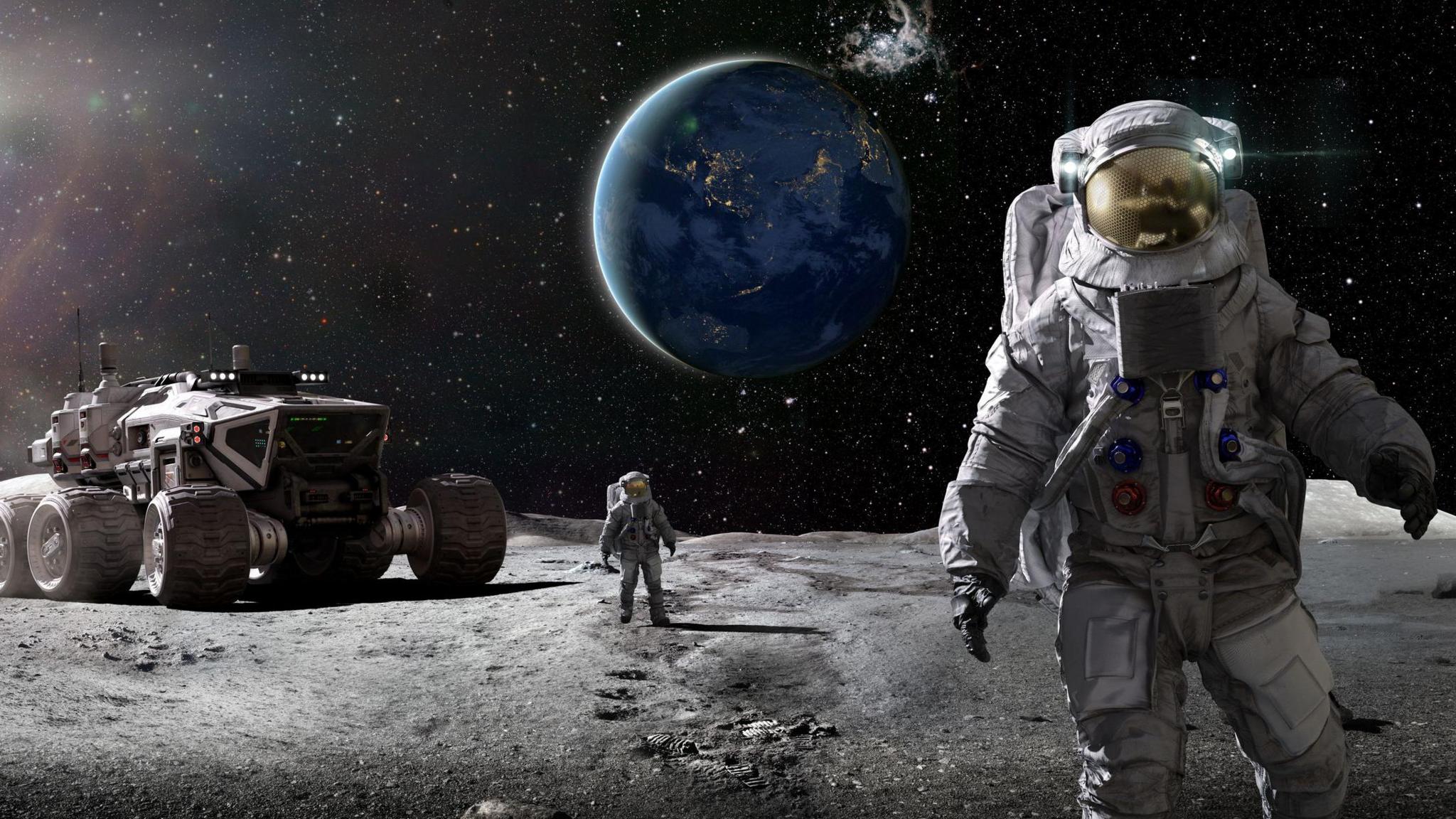
Το πρόγραμμα Artemis έχει ως στόχο όχι μόνο την επιστροφή, αλλά και τη δημιουργία μόνιμης ανθρώπινης παρουσίας, με βάσεις, νέα συστήματα και συχνές αποστολές.
Παράλληλα, και άλλες χώρες έχουν αντίστοιχες φιλοδοξίες. Η Κίνα σχεδιάζει επανδρωμένη προσελήνωση έως το 2030, ενώ η Ρωσία και η Ινδία εξετάζουν δικά τους προγράμματα για τις επόμενες δεκαετίες. Ευρωπαϊκές και ιαπωνικές αποστολές αναμένεται επίσης να συμμετάσχουν σε μελλοντικές φάσεις του Artemis.
Η νέα αυτή περίοδος σηματοδοτεί μια επιστροφή στη Σελήνη με διαφορετικούς όρους, όπου η τεχνολογία, οι διεθνείς συνεργασίες και ο ανταγωνισμός διαμορφώνουν το επόμενο κεφάλαιο της διαστημικής εξερεύνησης.
Διαβάστε επίσης: Από τη «HMS Minotaur» στο HMS Dragon - Η γκραβούρα της 17ης Αυγούστου 1878
Πηγή: Πρώτο Θέμα
Why NASA Wants to Return to the Moon: Missions, Risks, and the Experiment
NASA is planning to launch the Artemis II mission in early April, which will be the first crewed flight around the Moon in more than 50 years. The 10-day mission will carry astronauts farther into space than ever before, paving the way for the return of humans to the Moon's surface. The launch has been delayed due to technical problems, such as hydrogen and helium leaks, but new dates have been set for April 2026. The mission crew consists of four astronauts from NASA and the Canadian Space Agency. They will test the systems of the Space Launch System (SLS) rocket and the Orion capsule, performing maneuvers around Earth and moving thousands of kilometers beyond the Moon. At the same time, they will participate in medical tests, sending data and images from deep space. The mission will be conducted in a zero-gravity and increased radiation environment, but within safe limits. Artemis II does not include a landing, but is a preparatory mission for Artemis IV in 2028, which will attempt a crewed landing on the south pole of the Moon. Before that, Artemis III in 2027 will test the procedures for connecting the Orion capsule with lunar landing vehicles and the new spacesuits. NASA is considering two landing platforms: SpaceX's Starship and a vehicle from Blue Origin. The return to the Moon is part of a broader international program, involving many countries. The goal is to create a permanent base on the Moon and utilize its resources, as well as prepare for future missions to Mars. NASA believes that the Moon can be an important step towards space exploration and the expansion of human presence in the solar system.