Στα καθαρά νερά ανοιχτά του νησιού Γιοναγκούνι της Ιαπωνίας, ένας μυστηριώδης υποθαλάσσιος σχηματισμός εξακολουθεί να διχάζει επιστήμονες και να τροφοδοτεί τη φαντασία εδώ και δεκαετίες. Με αυστηρές γεωμετρικές βαθμίδες, κοφτές γωνίες και εκτεταμένες επίπεδες επιφάνειες, το εύρημα παραπέμπει σε ερείπια αρχαίας πόλης, θαμμένης στα βάθη της θάλασσας.
Το λεγόμενο Μνημείο του Γιοναγκούνι βρίσκεται μόλις 6 μέτρα κάτω από την επιφάνεια της θάλασσας και εκτείνεται έως τα 24 μέτρα βάθος. Ανακαλύφθηκε το 1987 από τον δύτη Κιχάτσιρο Αρατάκε και από τότε δεν έπαψε να τροφοδοτεί θεωρίες περί «ιαπωνικής Ατλαντίδας».
Ορισμένοι ερευνητές, με πιο γνωστό τον γεωλόγο Μασάκι Κιμούρα, υποστηρίζουν ότι ο σχηματισμός έχει δεχτεί ανθρώπινη παρέμβαση και ότι πρόκειται για απομεινάρι ενός άγνωστου πολιτισμού ηλικίας άνω των 10.000 ετών πολύ παλαιότερου από τις γνωστές αρχαίες κοινωνίες.
Η πλειονότητα των γεωλόγων, ωστόσο, διαφωνεί κάθετα.
Σύμφωνα με την επικρατούσα επιστημονική άποψη, η εντυπωσιακή δομή είναι αποτέλεσμα φυσικών γεωλογικών διεργασιών: στρώσεις ψαμμίτη και ιλυόλιθου, φυσικά επίπεδα αδυναμίας, σεισμική δραστηριότητα και αδιάκοπη θαλάσσια διάβρωση. Το Γιοναγκούνι βρίσκεται σε έντονα σεισμογενή περιοχή, γεγονός που εξηγεί τις τακτικές ρωγμές και τις «σκαλοειδείς» επιφάνειες.
Όπως έχει επισημάνει ο γεωλόγος Ρόμπερτ Σοκ, σεισμοί μπορούν να διασπάσουν τα πετρώματα σε σχεδόν τέλειες γεωμετρικές μορφές, ενώ τα θαλάσσια ρεύματα λειαίνουν τις επιφάνειες, δημιουργώντας την ψευδαίσθηση αρχιτεκτονικής ακρίβειας.
Παρόμοια φαινόμενα έχουν καταγραφεί και σε άλλα μέρη του κόσμου: από τις εξαγωνικές στήλες του Giant’s Causeway στην Ιρλανδία μέχρι το «στρωμένο» Tessellated Pavement της Τασμανίας. Η φύση, όπως φαίνεται, μπορεί να είναι εξαιρετικά… αρχιτέκτονας.
Το 2024, ομάδα Ιαπώνων γεωλόγων κατέληξε στο συμπέρασμα ότι δεν υπάρχουν αρχαιολογικά ίχνη ανθρώπινης δραστηριότητας στον χώρο. Οι παρατηρήσεις τους δείχνουν ότι οι σχηματισμοί συνεχίζουν να εξελίσσονται ακόμη και σήμερα μέσω φυσικής διάβρωσης του θαλάσσιου πυθμένα.
Κι όμως, παρά τις επιστημονικές εξηγήσεις, το Μνημείο του Γιοναγκούνι εξακολουθεί να μαγνητίζει δύτες, ερευνητές και λάτρεις των μυστηρίων. Γιατί κάποιες φορές, η ίδια η φύση καταφέρνει να ξεπερνά ακόμη και τα πιο ευφάνταστα σενάρια αρχαίων πολιτισμών.
Japan's 'Atlantis' Revealed: Underwater Mystery Sparks Scientific Debate
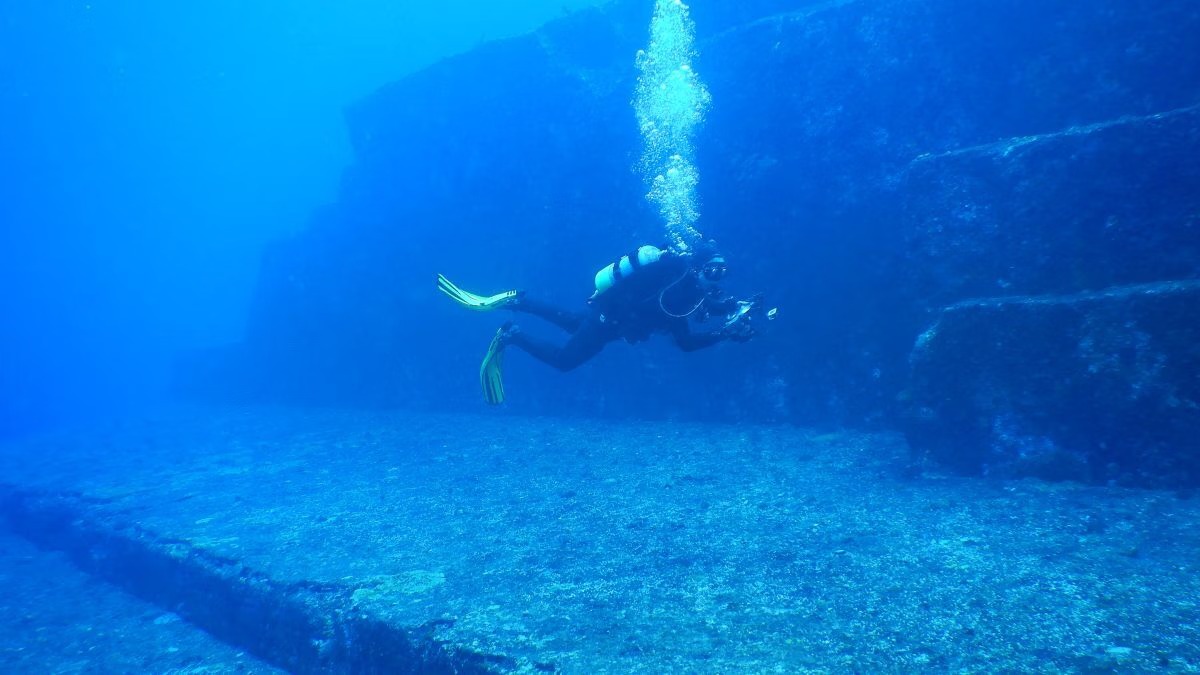
A mysterious underwater formation near Yonaguni Island, Japan, known as the Yonaguni Monument, continues to spark intense debate within the scientific community. The formation, discovered in 1987, features geometric structures, such as steps, angles, and flat surfaces, reminiscent of the ruins of an ancient city. While some researchers argue that the formation is the result of human intervention and could be a remnant of an unknown civilization over 10,000 years old, the majority of geologists attribute its creation to natural geological processes. According to this view, the structures arose from layers of sandstone and mudstone, seismic activity, and marine erosion. The Yonaguni area is highly seismically active, which explains the cracks and 'stepped' surfaces. Similar formations have been recorded in other parts of the world, such as in Ireland and Tasmania, where nature has created impressive geometric structures. Recent research by Japanese geologists in 2024 found no archaeological evidence of human activity at the site, supporting the view that the formations continue to evolve through natural erosion. Despite the scientific explanations, the Yonaguni Monument remains a mystery that fuels the imagination and attracts divers and researchers.
You Might Also Like

Ήπαρ: Πόσος χρόνος χρειάζεται για να αποβάλει το αλκοόλ – Τι λένε οι ειδικοί
Jan 3

Σπιτικές λύσεις για τον έντονο πονόλαιμο: Tι βοηθά πραγματικά και τι καλό είναι να αποφεύγετε
Jan 6

Οι φούσκες είναι παντού στην παγκόσμια οικονομία
Jan 10

YouTuber ισχυρίζεται ότι αποκάλυψε τη μυστική συνταγή της Coca-Cola
Jan 16

Ρωσία: Χιονιάς-ρεκόρ στην Καμτσάτκα θάβει γειτονιές – Κάτοικοι σκάβουν τούνελ για να μπουν στα σπίτια τους
Jan 19