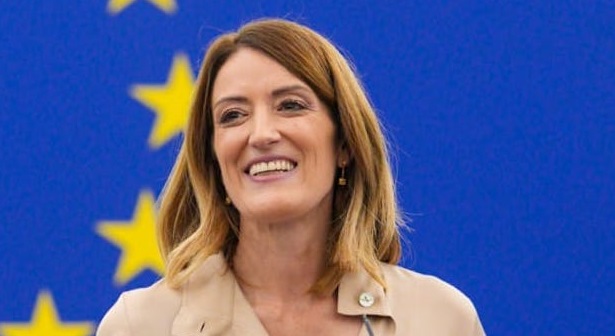
Αντιδράσεις προκάλεσαν στα κατεχόμενα οι αναφορές της Προέδρου του Ευρωκοινοβουλίου Ρομπέρτα Μέτσολα για την ΕΟΚΑ σε εκδήλωση στο Ευρωκοινοβούλιο.
Σε ανακοίνωσή του, ο κατοχικός ηγέτης Τουφάν Έρχιουρμαν, σύμφωνα με την «Κίπρις Πόστασι», ανάφερε ότι τέτοιου είδους αναφορές προκαλούν ρήξη στην εμπιστοσύνη των Τουρκοκυπρίων προς την ΕΕ και κάλεσε τους Ευρωπαίους αξιωματούχους να κατανοήσουν τις πραγματικότητες της Κύπρου και να επανεξετάσουν τη ρητορική τους.
Διερωτήθηκε ακόμα αν η κ. Μέτσολα αντιλαμβάνεται τι έννοια έχει η ΕΟΚΑ για τους Τ/κ, αναφέροντας ότι σε δηλώσεις τους οι αξιωματούχοι της ΕΕ αναφέρονται στη στήριξή τους στην λύση του Κυπριακού και στην ετοιμότητά τους να βοηθήσουν, ενώ «πρέπει να συνειδητοποιήσουν ότι υπονομεύουν την εμπιστοσύνη των Τουρκοκυπρίων».
Σε ανακοίνωσή του και ο «πρωθυπουργός» Ουνάλ Ουστέλ εξέφρασε την αντίδρασή του στις αναφορές της Ρομπέρτα Μέτσολα στην ΕΟΚΑ τις οποίες είπε ότι είναι «απαράδεκτες».
Οι δηλώσεις της Προέδρου του Ευρωπαϊκού Κοινοβουλίου, Ρομπέρτα Μετσόλα, στις οποίες επαίνεσε την ΕΟΚΑ, «μια οργάνωση που έχει χαραχτεί στη μνήμη του τουρκοκυπριακού λαού με βία, βάσανα και επιθέσεις, αποτελούν σαφές σκάνδαλο και διαστρέβλωση των ιστορικών γεγονότων», αναφέρεται στην ανακοίνωση του κ. Ουστέλ.
ΚΥΠΕ
Reactions in the Occupied Territories to Roberta Metsola's References to EOKA
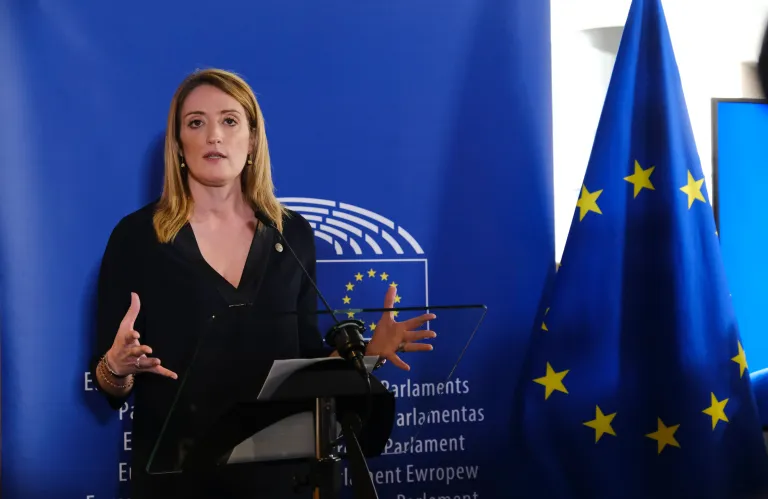
References by the President of the European Parliament, Roberta Metsola, to EOKA during an event at the European Parliament have provoked strong reactions in the occupied territories. The leader of the occupied territories, Tufan Erhurman, accused Ms. Metsola of undermining the trust of Turkish Cypriots in the EU and called on European officials to reconsider their rhetoric. He argued that EOKA has a negative meaning for Turkish Cypriots and that Ms. Metsola's statements contradict the EU's support for a solution to the Cyprus issue. The 'Prime Minister' of the occupied territories, Unal Ustel, described Ms. Metsola's references as 'unacceptable', emphasizing that EOKA is associated with 'violence, suffering and attacks' in the memory of the Turkish Cypriot people. He considered Ms. Metsola's statements as a 'distortion of historical events' and a 'clear scandal'. These reactions highlight the sensitivity of the EOKA issue in the occupied territories and the different historical interpretations of the organization by the two communities in Cyprus. Criticism from the Turkish Cypriot side shows their opposition to any positive reference to an organization linked to the armed struggle for union with Greece and which they consider responsible for violence and persecution against them. This case highlights the challenges facing the EU in its efforts to maintain a balanced position on the Cyprus issue, taking into account the different perspectives and sensitivities of the two communities.