Μία εντυπωσιακή είδηση κάνει τις τελευταίες ώρες τον γύρο του κόσμου: αρχαιολόγοι στην Αίγυπτο ανέσυραν από τον βυθό τον Φάρο της Αλεξάνδρειας - ένα από τα χαμένα 7 θαύματα του αρχαίου κόσμου – στην πιο ολοκληρωμένη φυσική «επιστροφή» του μνημείου από την κατάρρευσή του.
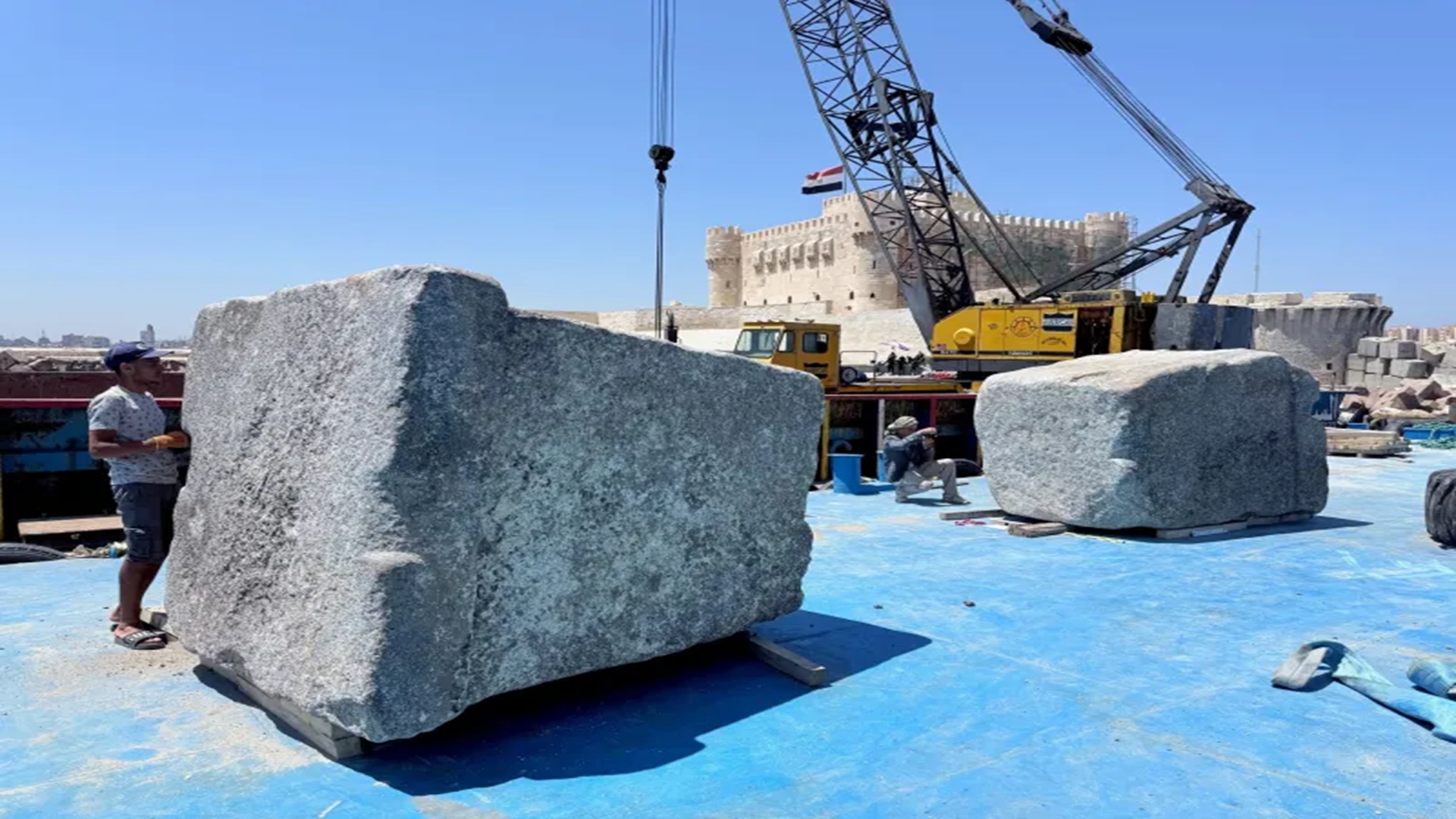
Σε μια τεράστια επιχείρηση στο Ανατολικό Λιμάνι της Αλεξάνδρειας, που ξεκίνησε από τον Ιούνιο του 2015, οι ερευνητές ανέσυραν τελικά 22 ογκόλιθους από γρανίτη και ασβεστόλιθο, βάρους έως και 80 τόνων, φέρνοντας ξανά στο φως για πρώτη φορά μετά από αιώνες, ένα καθοριστικό τμήμα του φάρου.
Η ανάλυση συνέδεσε τα ανακτημένα κομμάτια με την κύρια είσοδο του μνημείου - συμπεριλαμβανομένων των υπέρθυρων, των οριζόντιων δοκών που εκτείνονται πάνω από τις πόρτες, καθώς και των όρθιων πλαϊνών λίθων και πλάκες από το δάπεδο στο κατώφλι.
Σύμφωνα με το earth.com, το στυλ γλυπτικής στους ογκόλιθους της εισόδου συνδυάζει αιγυπτιακές και ελληνικές επιρροές, υποδεικνύοντας ότι ο φάρος είχε πιο περίπλοκη αρχιτεκτονική μορφή απ’ ό,τι πίστευαν οι ερευνητές μέχρι σήμερα.
Ένα από τα πιο ενδιαφέροντα ευρήματα είναι μια προηγουμένως άγνωστη κατασκευή σε σχήμα πυλώνα με πόρτα αιγυπτιακού στιλ, γεγονός που υποδηλώνει ένα μείγμα αιγυπτιακών και ελληνικών σχεδιαστικών ιδεών στο ίδιο κτίριο. Στην πράξη, υποδηλώνει ότι ο Φάρος δεν ήταν απλώς ψηλός, αλλά και αρχιτεκτονικά πολύπλοκος.
Οι επιστήμονες του Εθνικού Κέντρου Επιστημονικής Έρευνας της Γαλλίας θα προχωρήσουν τώρα σε λεπτομερή σάρωση και ανάλυση των λίθων, για να μελετήσουν τις τεχνικές κατασκευής και να λύσουν το μυστήριο της δομής και της τελικής μορφής του Φάρου της Αλεξάνδρειας.
Η έρευνα εντάσσεται στο διεθνές πρόγραμμα Pharos, το οποίο στοχεύει στη δημιουργία ενός «ψηφιακού διδύμου» του Φάρου, δηλαδή μιας λεπτομερούς εικονικής ανακατασκευής του μνημείου.
Διαβάστε επίσης: Θάνατος Κερτ Κομπέιν: Νέα επιστημονική έρευνα πυροδοτεί ξανά τη συζήτηση
Πηγή: skai.gr
Egypt: Entrance to the Lighthouse of Alexandria Recovered from the Seabed
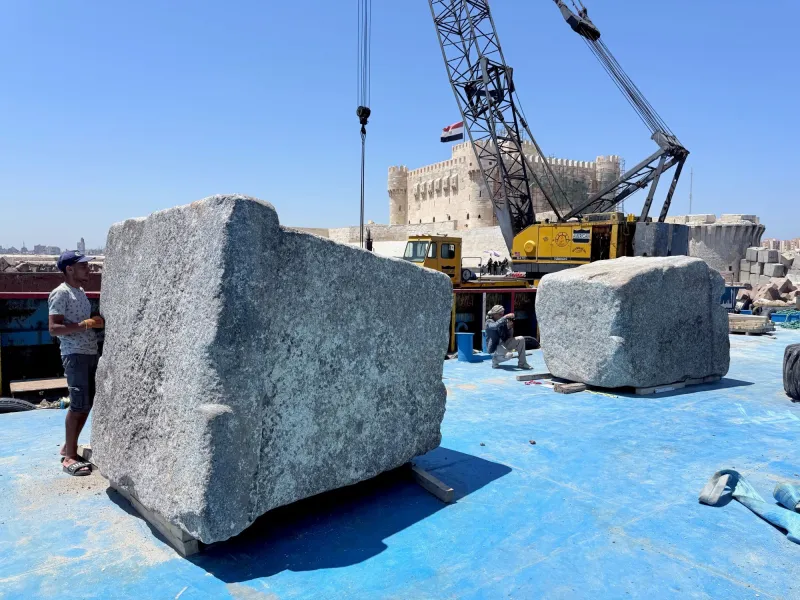
Archaeologists in Egypt have successfully recovered parts of the entrance to the Lighthouse of Alexandria – one of the Seven Wonders of the Ancient World – from the seabed of the Eastern Harbour of Alexandria. The operation, which began in 2015, brought to light 22 granite and limestone blocks weighing up to 80 tons. Analysis of the findings shows that the entrance of the lighthouse combined Egyptian and Greek architectural influences, suggesting a more complex structure than previously thought. A particularly interesting discovery is a pylon-shaped structure with Egyptian elements, reinforcing the view that the lighthouse was architecturally advanced. Scientists from the French National Center for Scientific Research will conduct a detailed scan and analysis of the stones, to better understand the construction techniques and the final form of the monument. The research is part of the international Pharos program, which aims to create a digital twin of the lighthouse, namely a high-precision virtual reconstruction. This discovery is an important step towards reconstructing the history and architecture of the Lighthouse, as it is the most complete recovery of physical parts of the monument since its collapse. The research provides new information about the construction and functioning of the lighthouse, as well as the cultural influences of the time. The Pharos program and this discovery are expected to contribute to the promotion of tourism and cultural heritage in Egypt, while also providing valuable knowledge about ancient architecture and construction techniques.
Similar Articles
You Might Also Like
Ανατροπή για τον θάνατο ισοβίτη στις Κεντρικές: «Πνίγηκε» από το φαγητό του
Feb 7

Eurovision: Αντιδράσεις των Youtubers στο «Jalla» της Κύπρου (ΒΙΝΤΕΟ)
Feb 10
«Έφυγε» ο τελευταίος εγγονός του Ελευθερίου Βενιζέλου σε ηλικία 102 ετών
Feb 10

ΒΙΝΤΕΟ: Διαρρήκτης άνοιξε κοσμηματοπωλείο με φόρκλιφτ και διέφυγε με γαιδούρι
Feb 11

«Jalla»: Η Antigoni και οι αναμνήσει της Ράκελ Γουέλς (ΦΩΤΟ)
Feb 11